

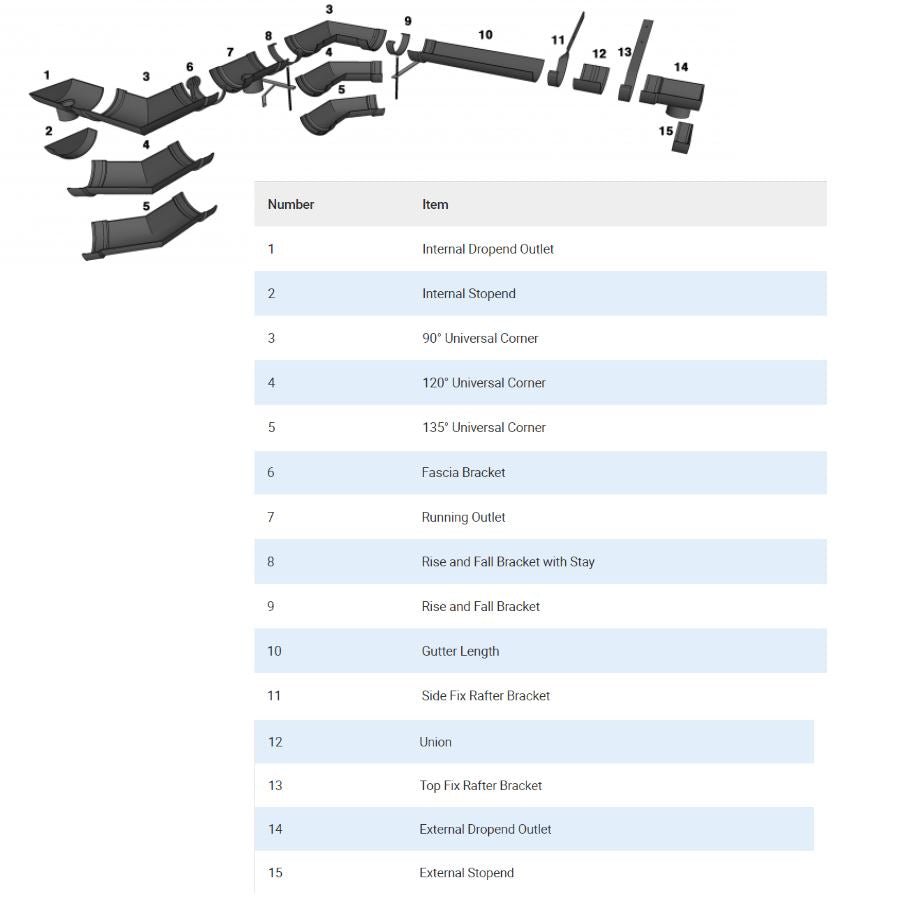
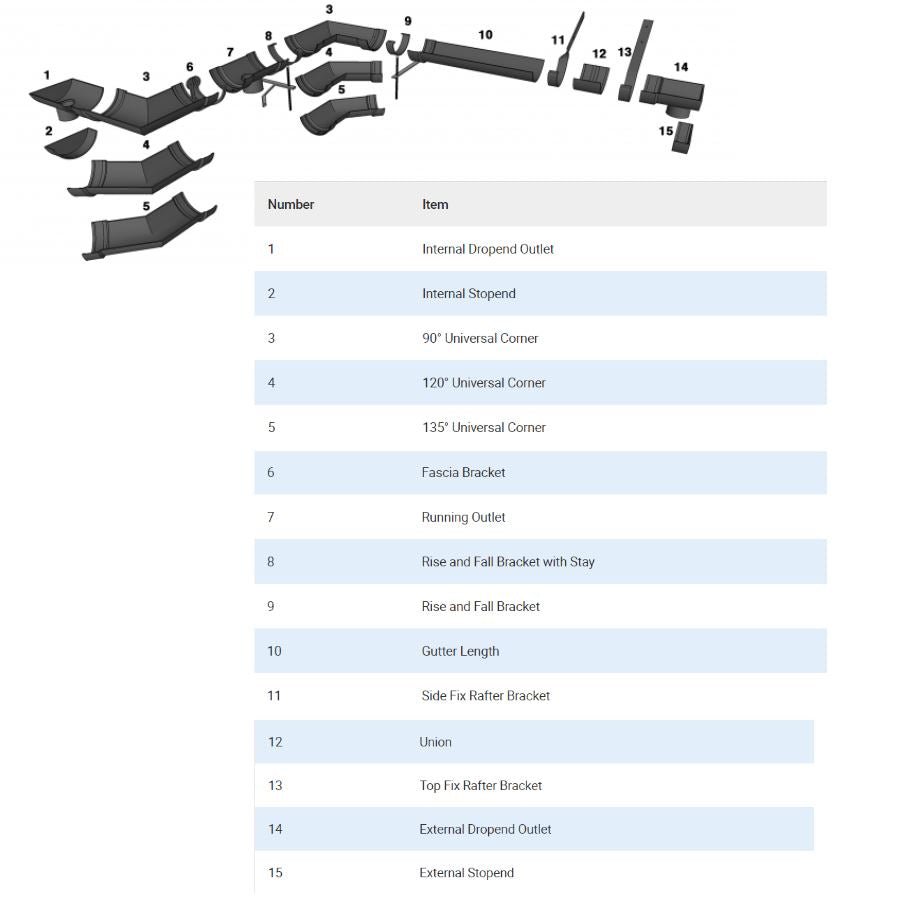

Why Choose Cast Iron Guttering?
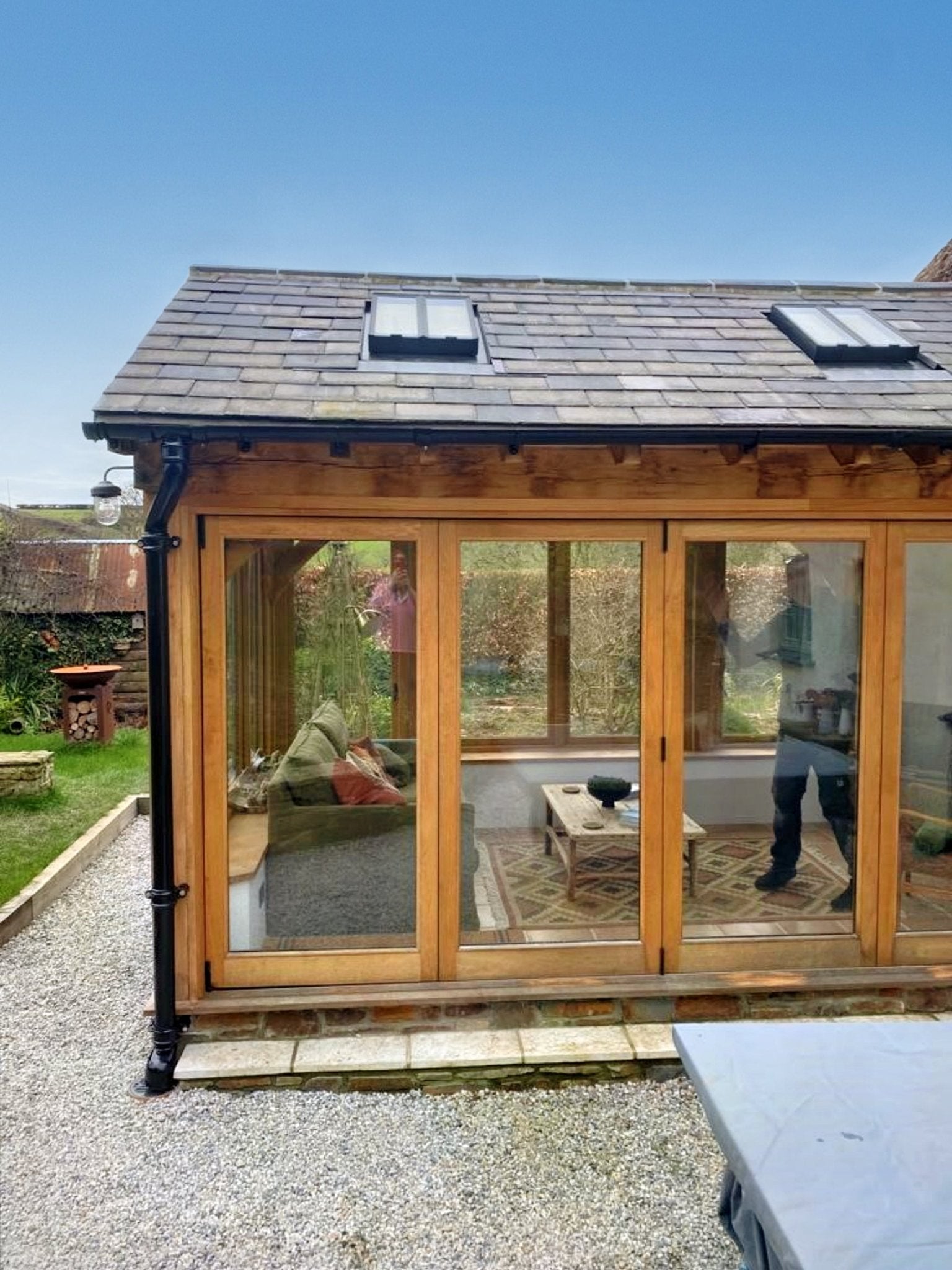
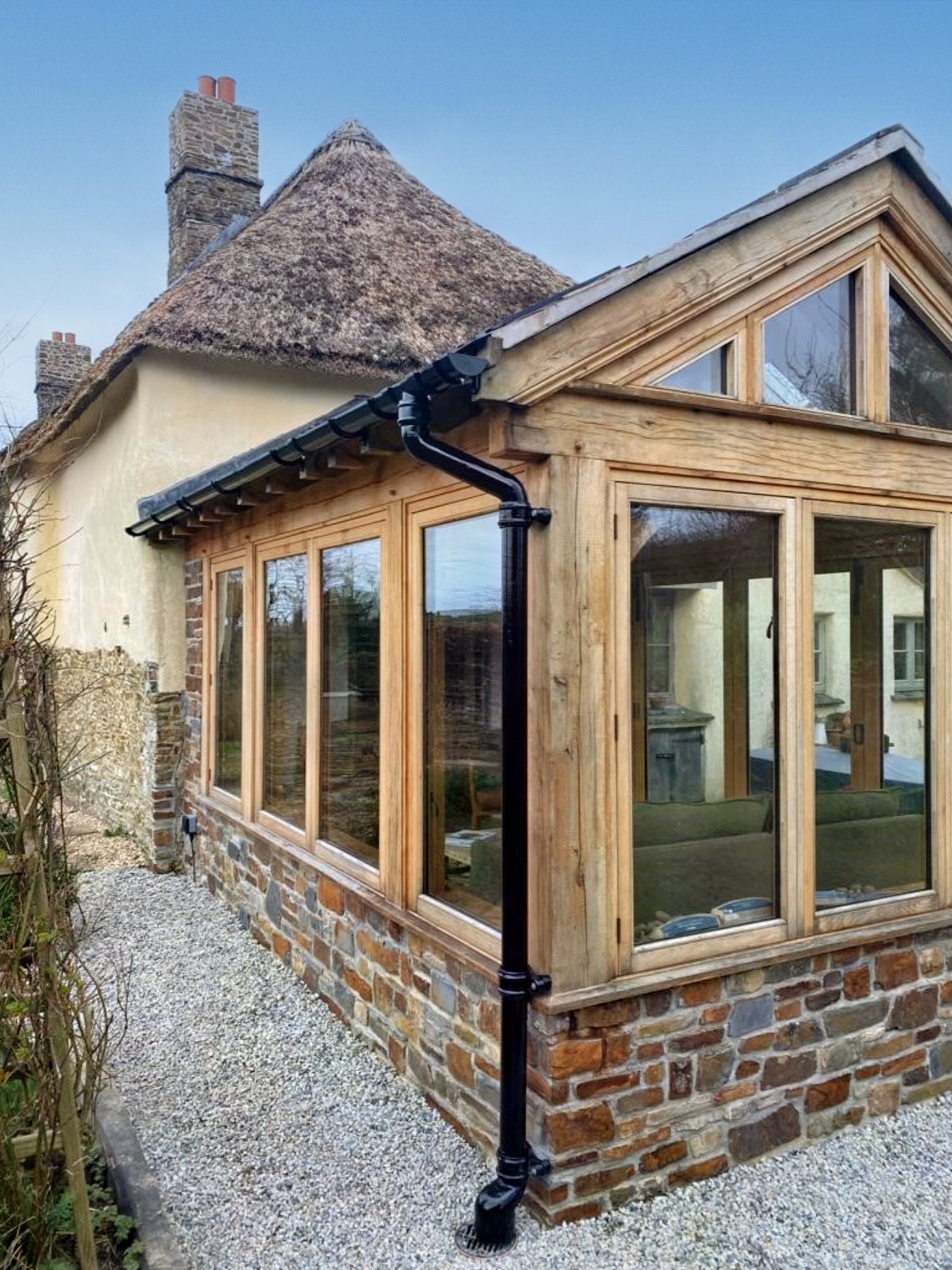
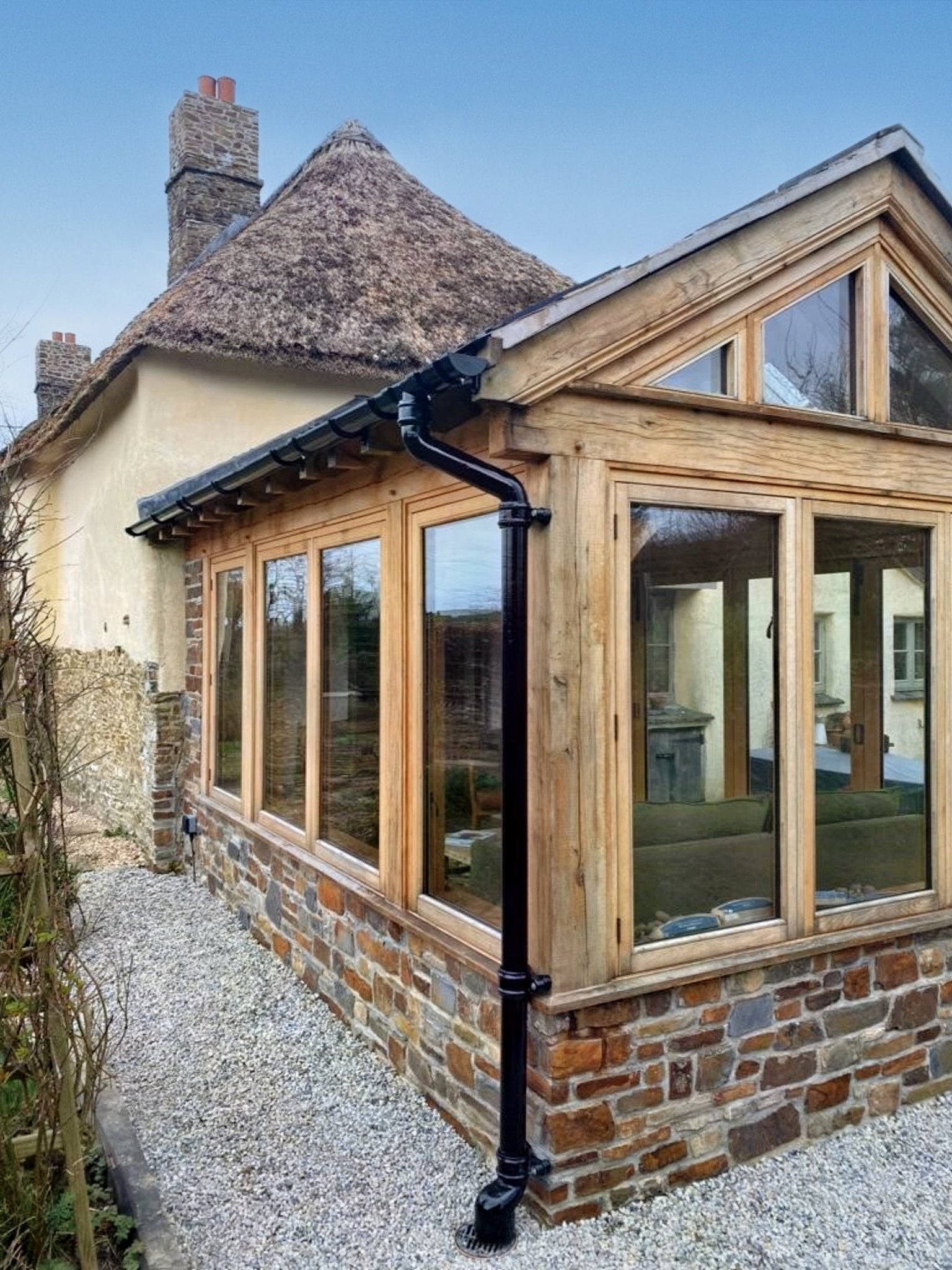
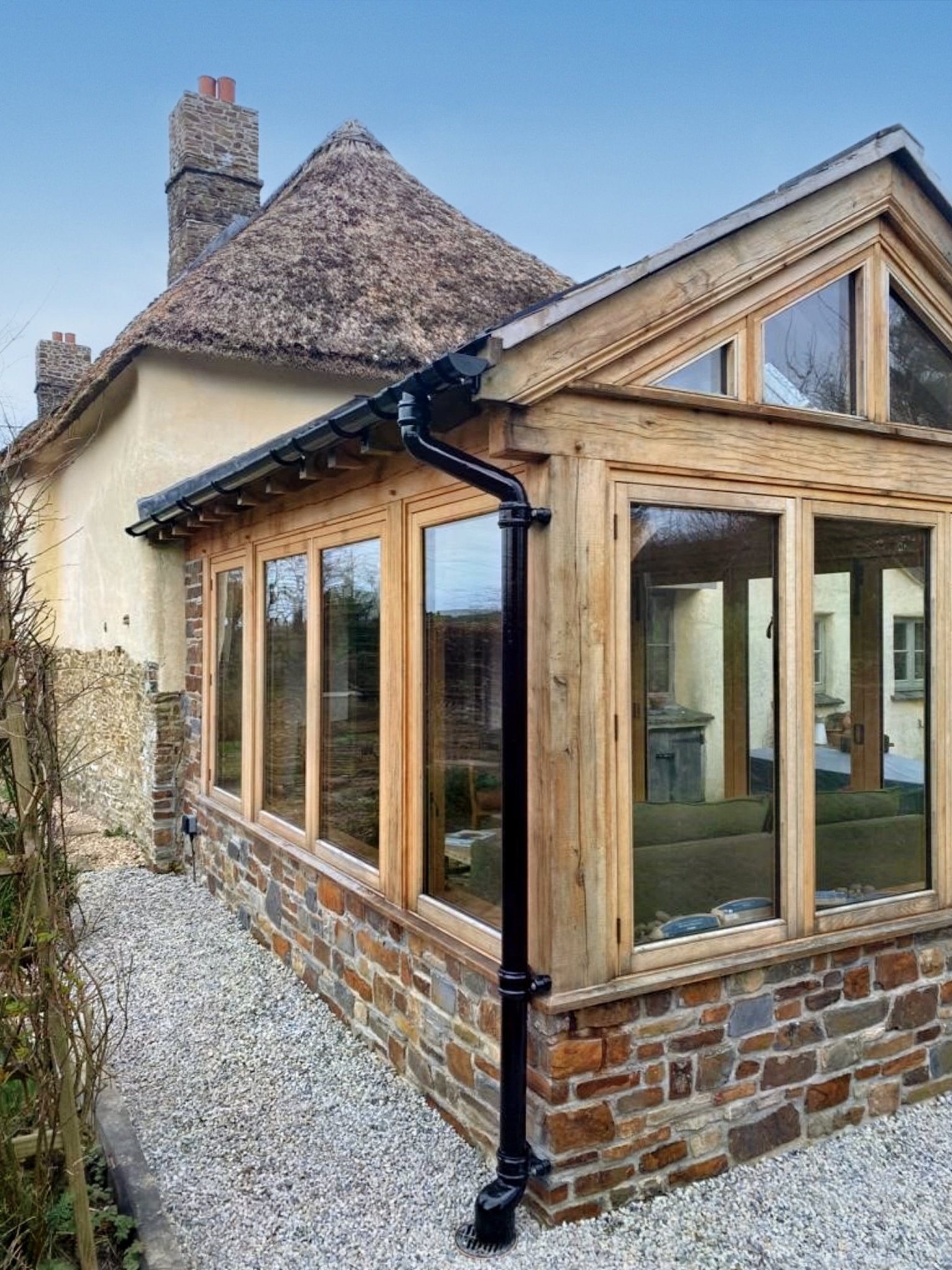
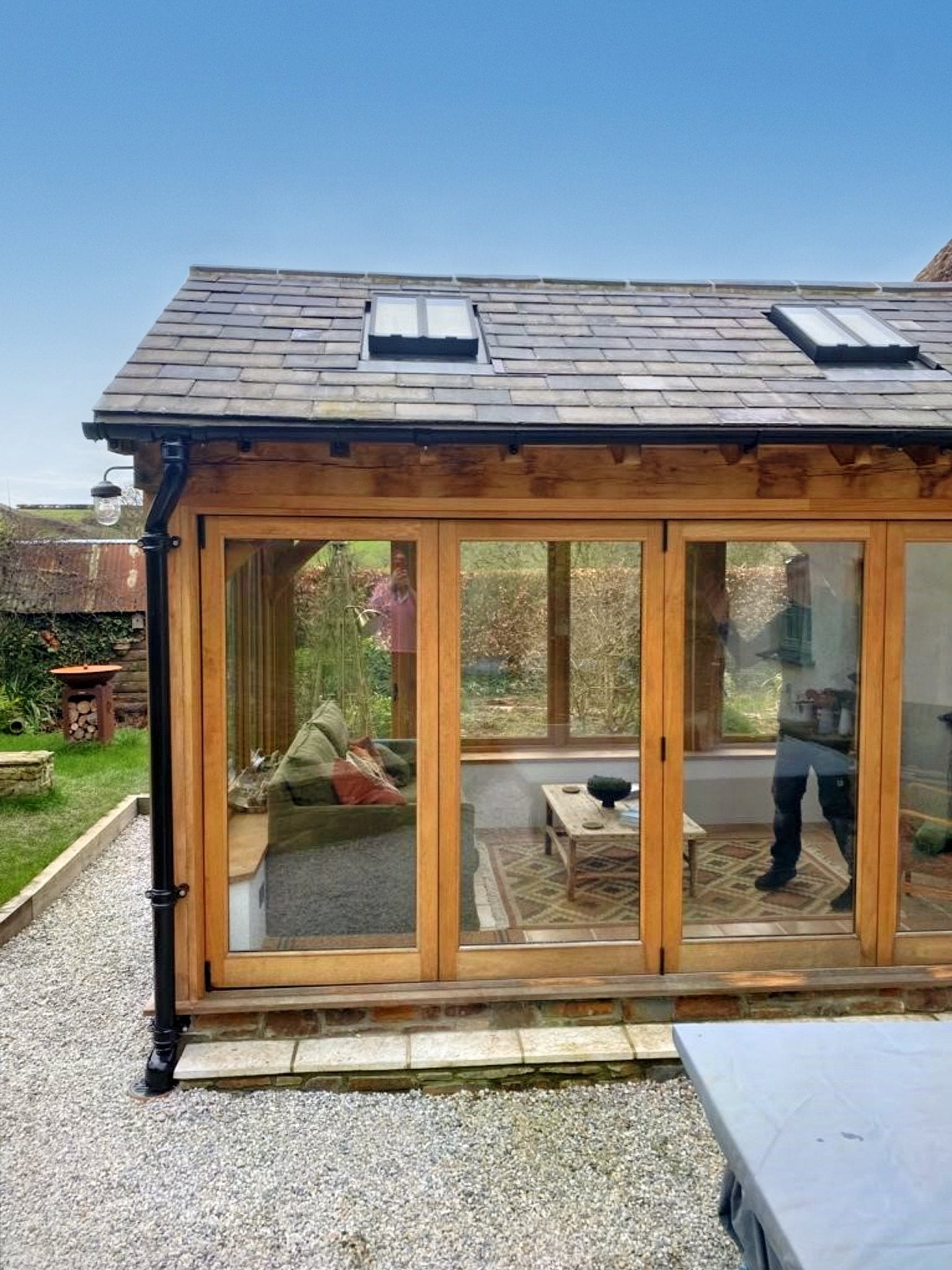
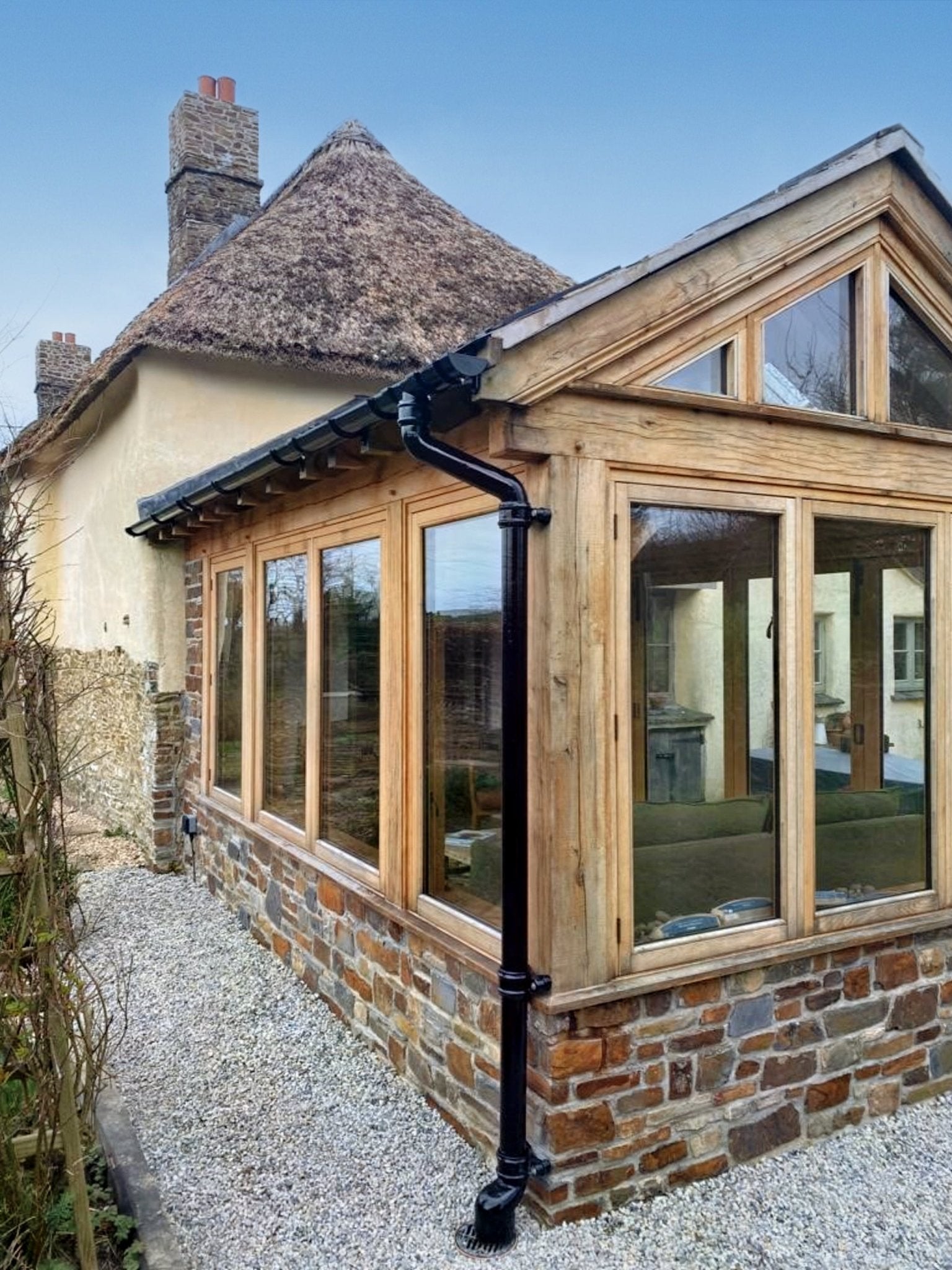
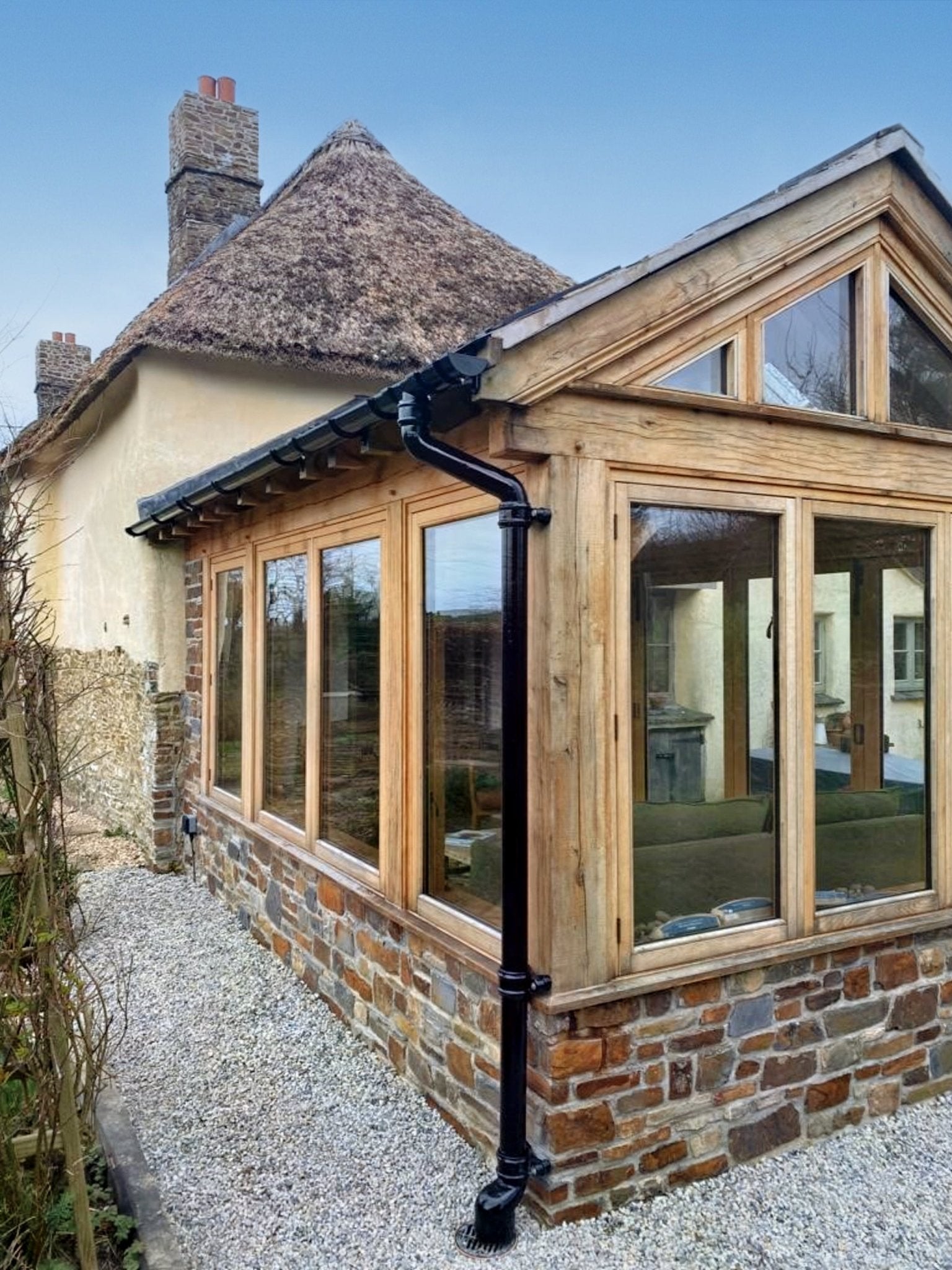
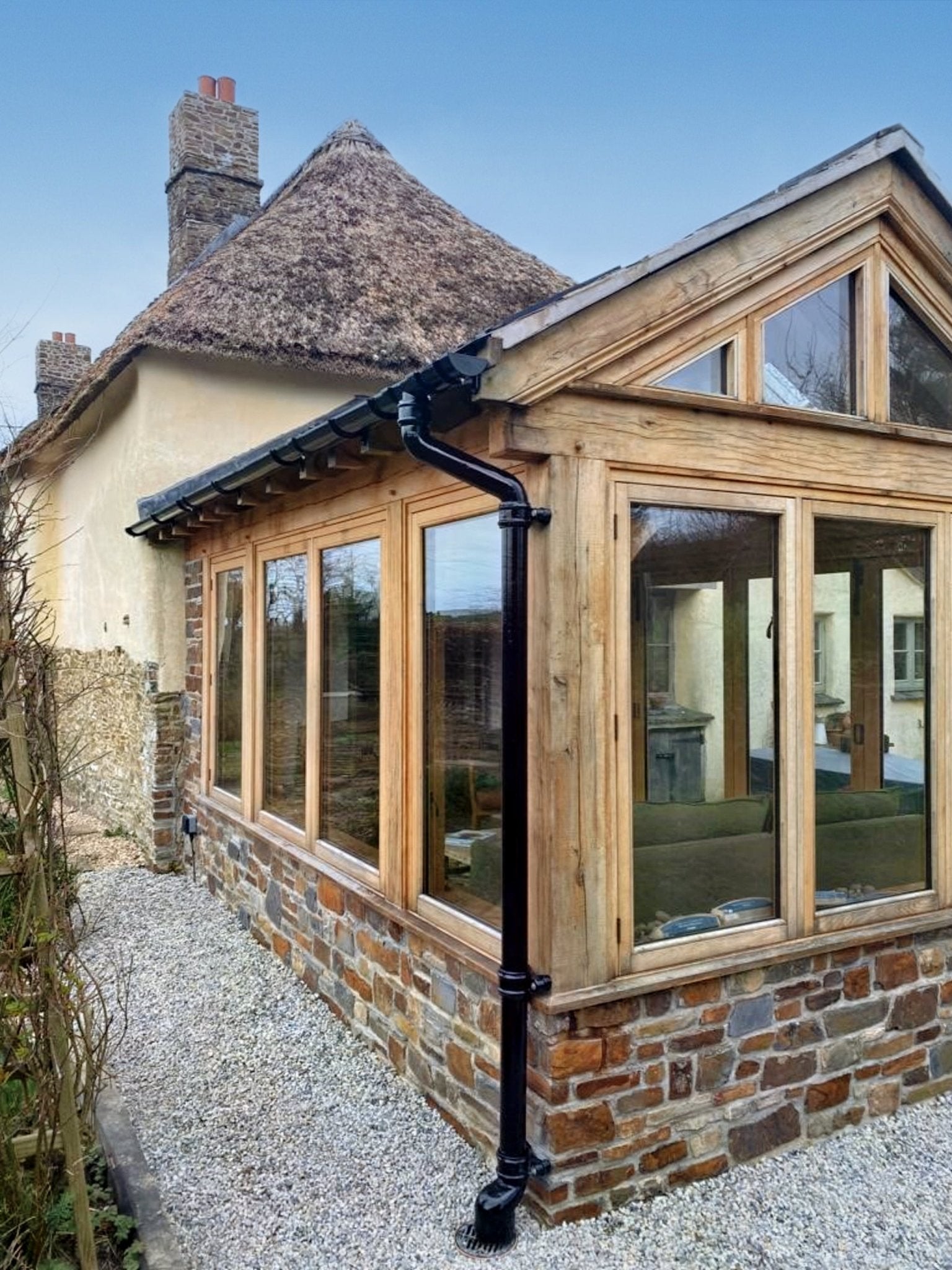
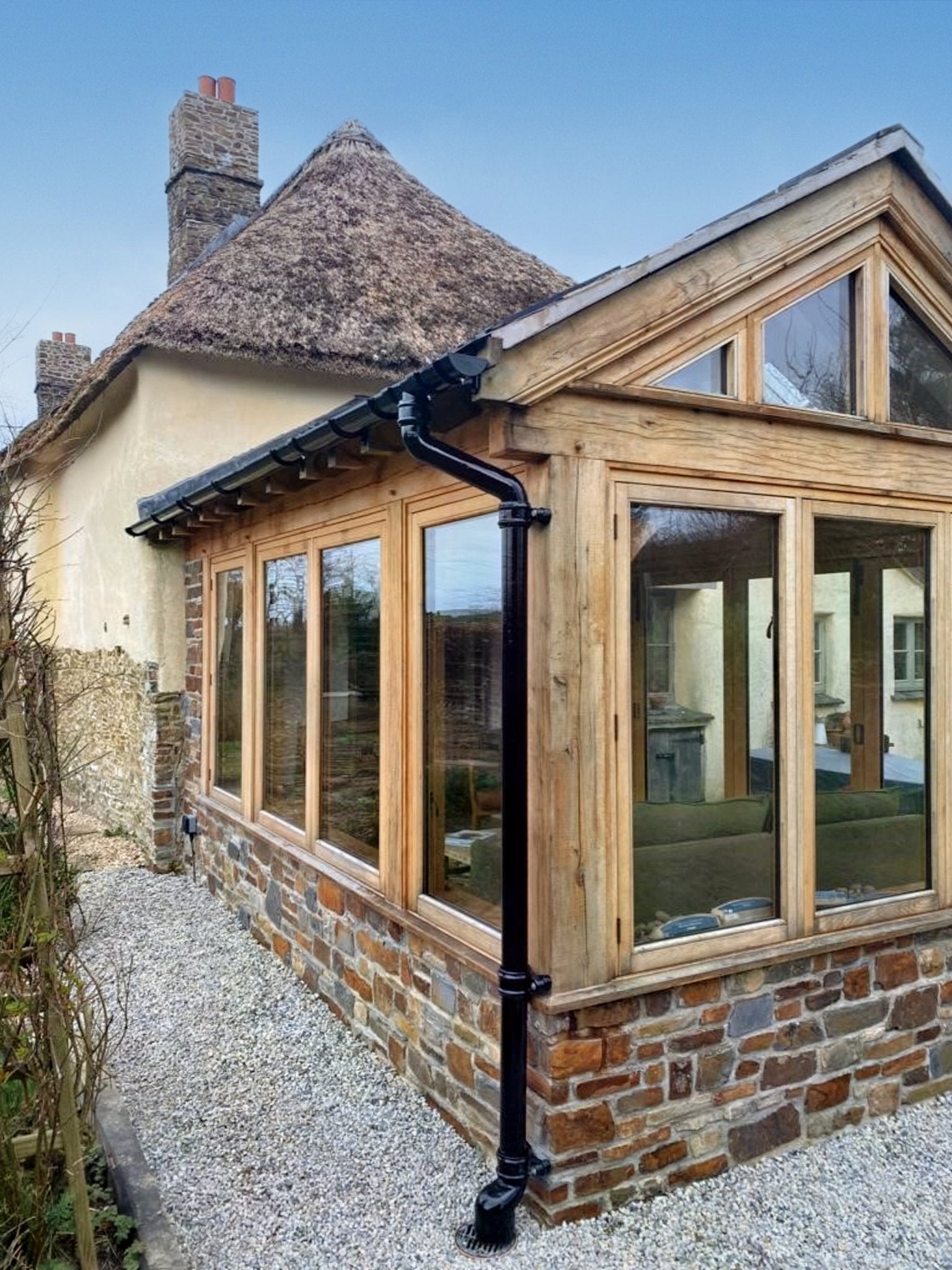
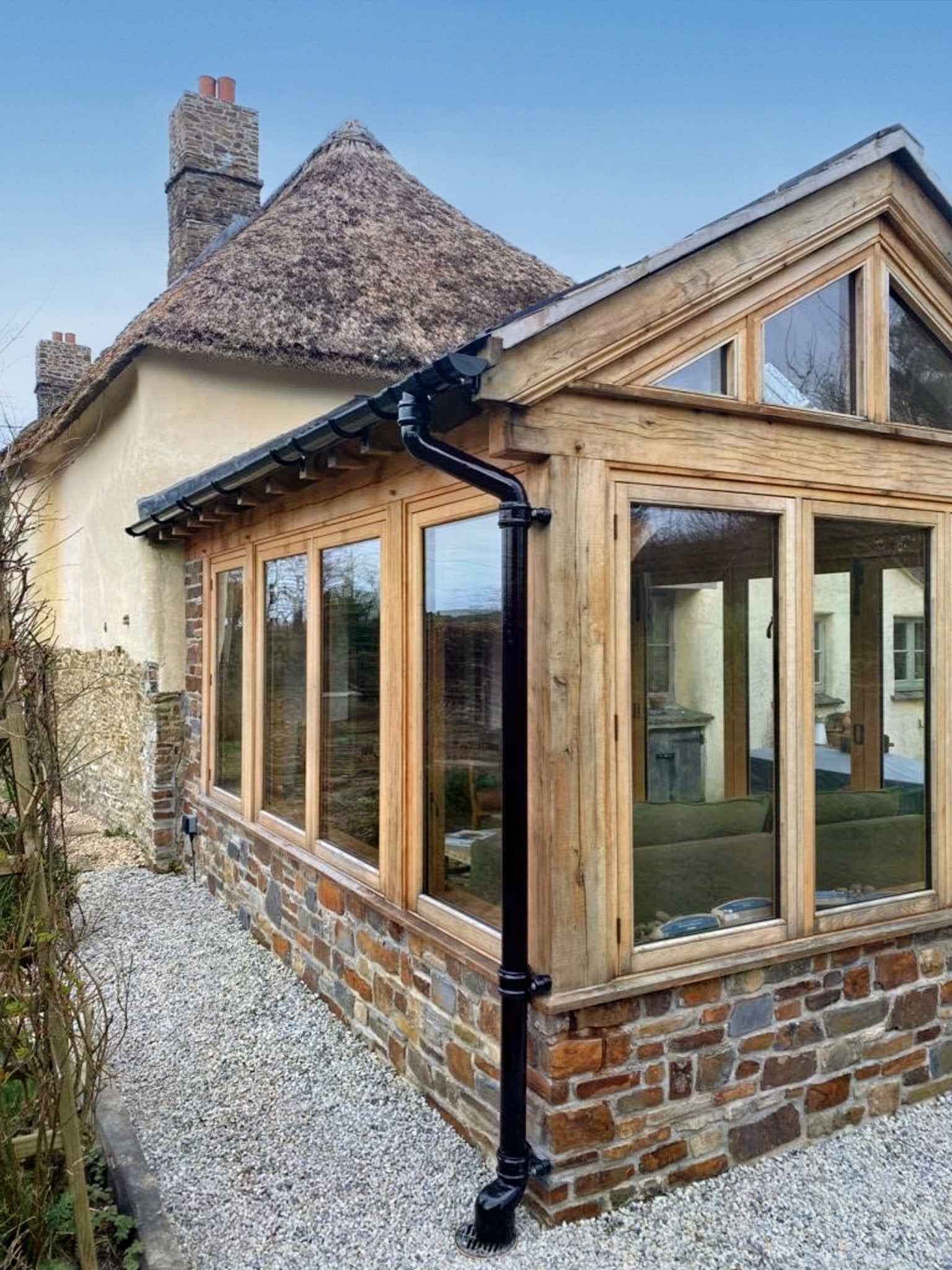
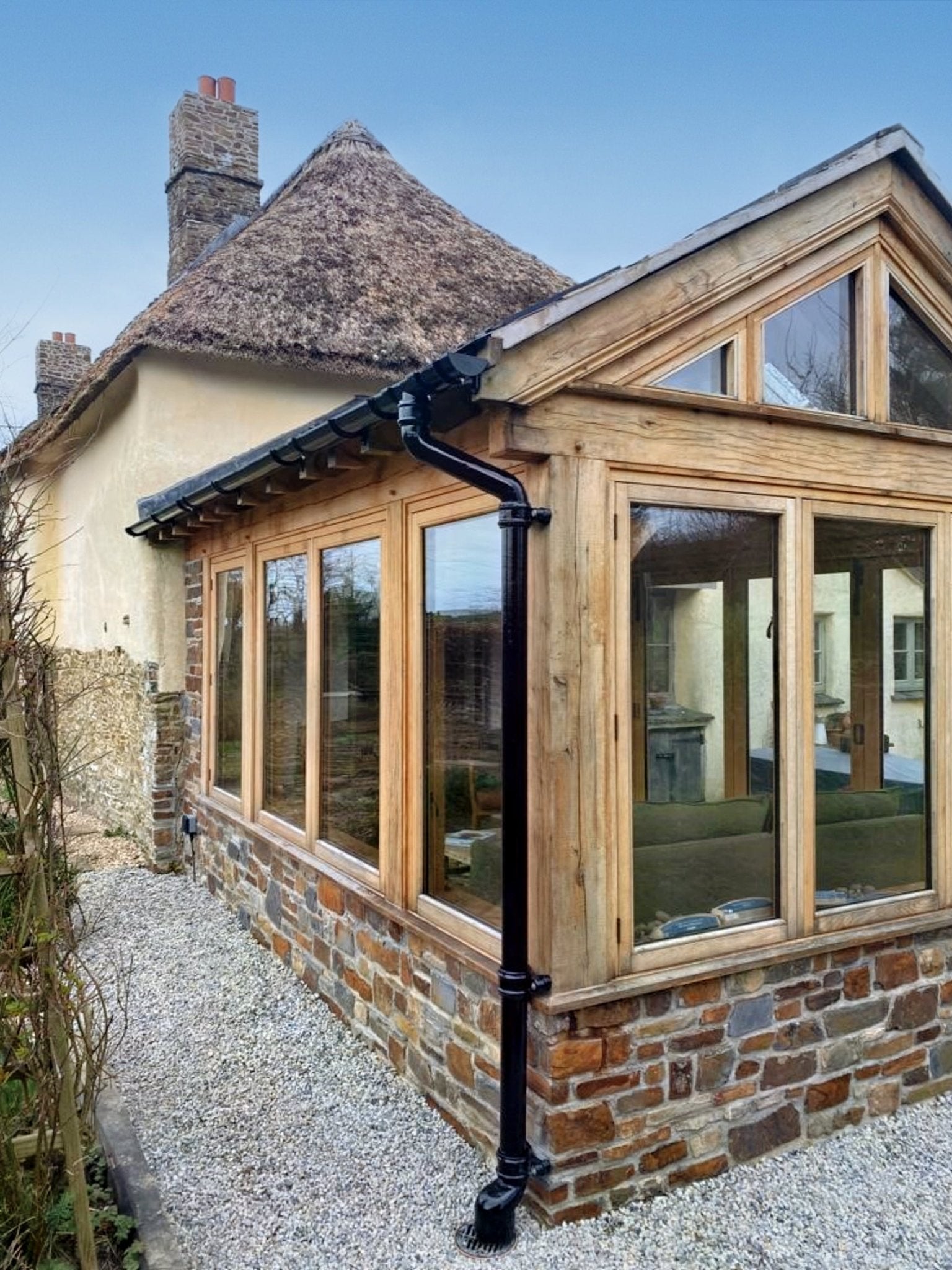
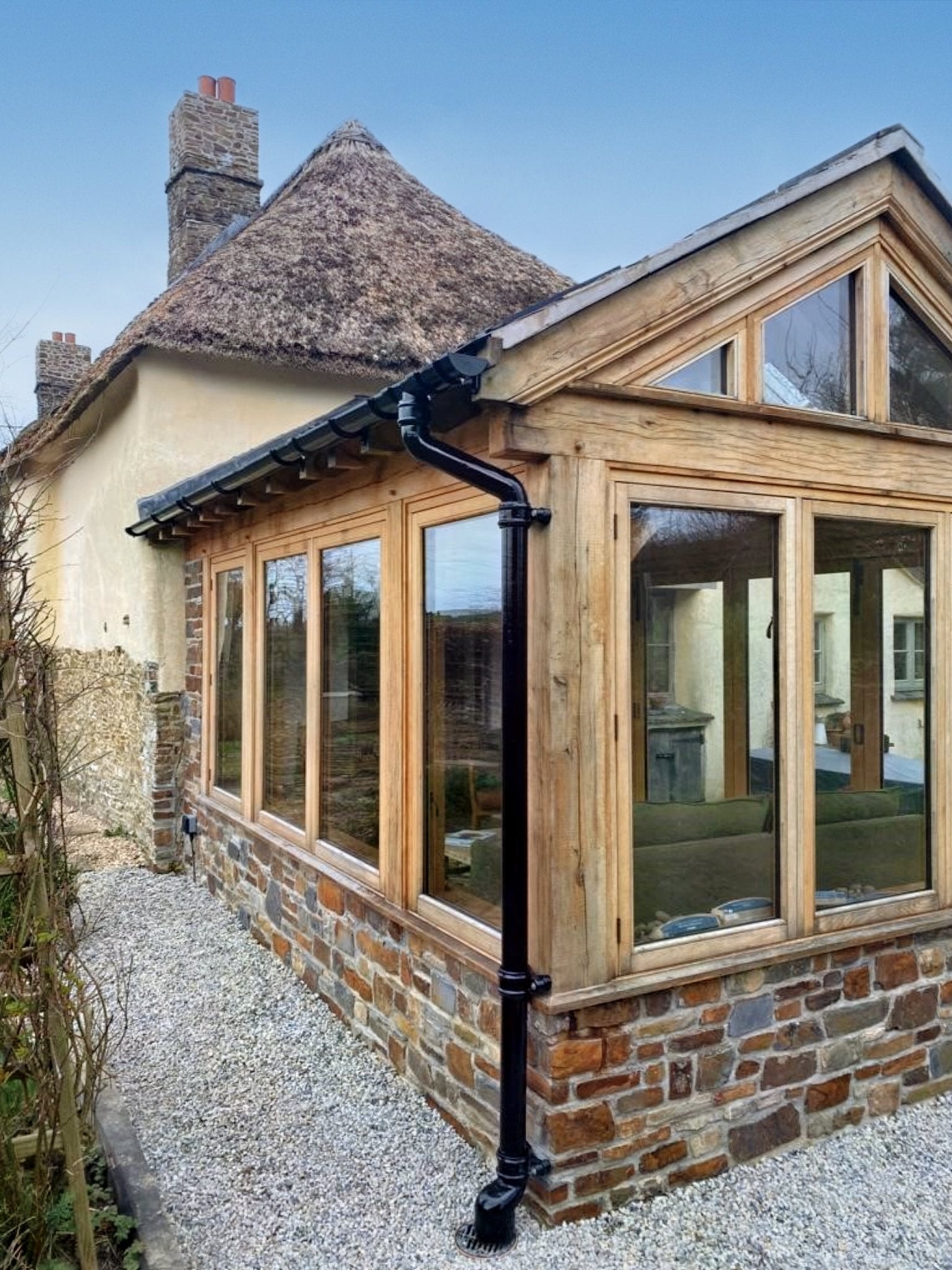
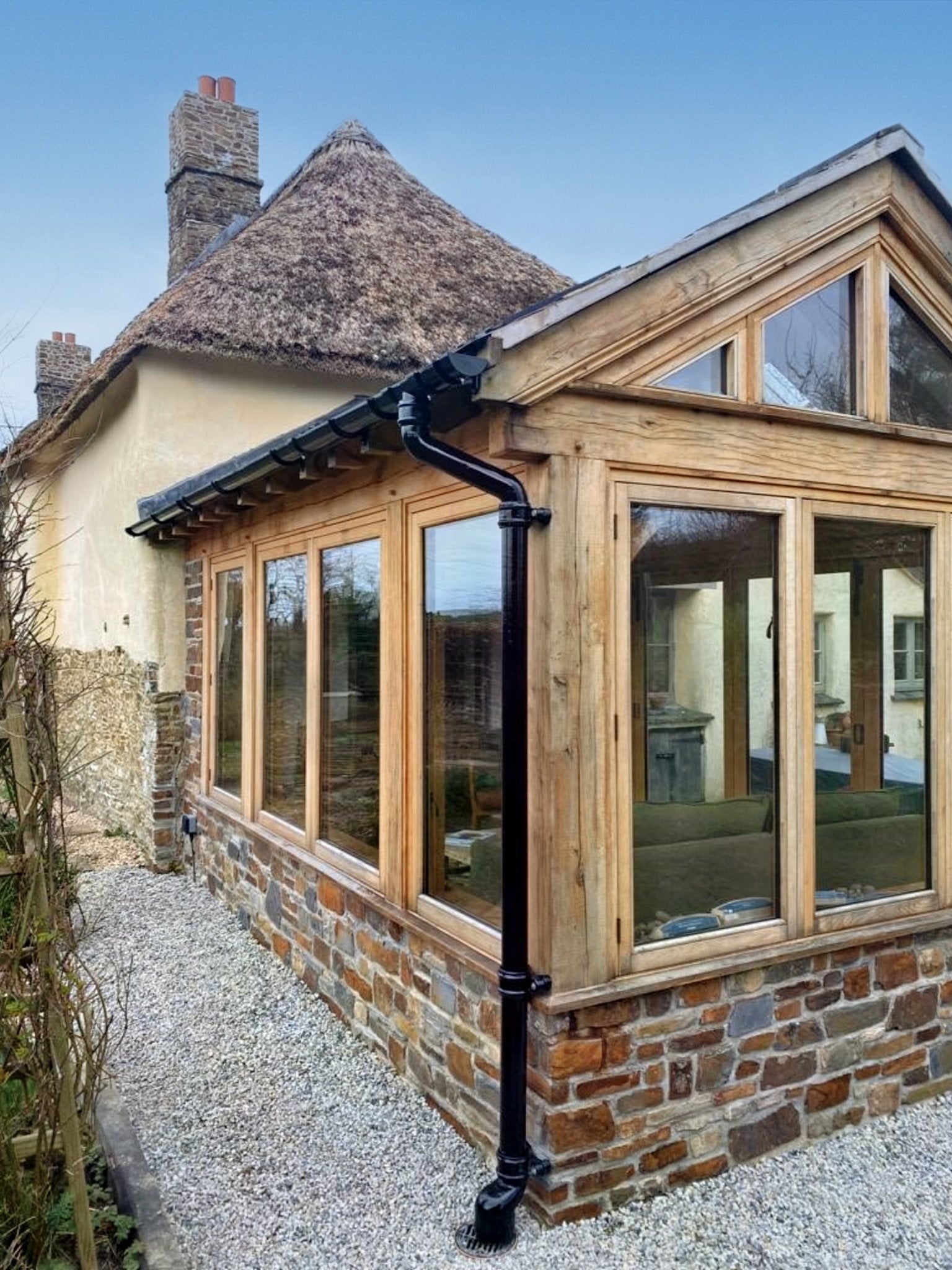
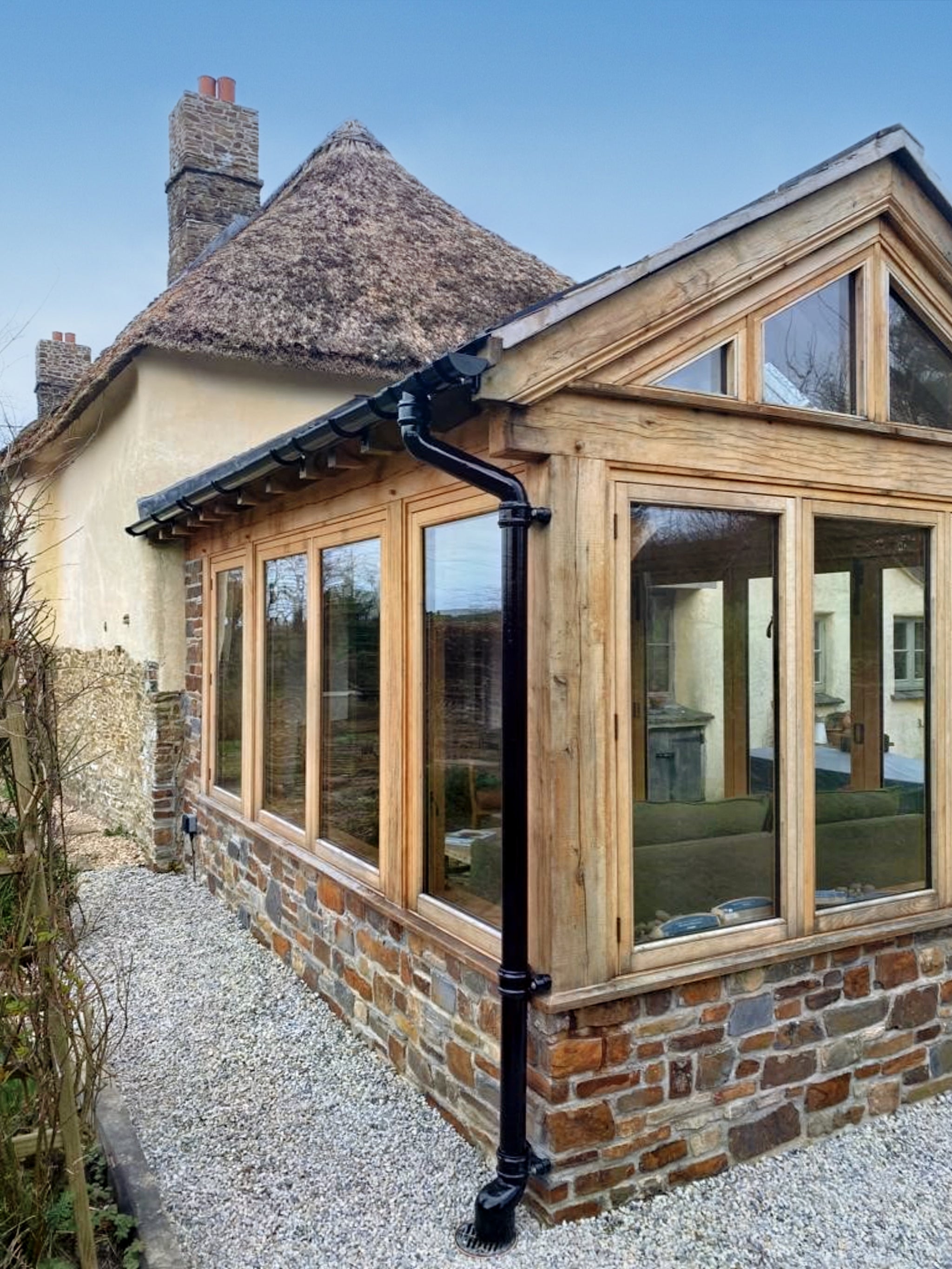
Cast iron has been used for rainwater systems for well over a century, and there’s a good reason it still gets specified on period and heritage properties today.
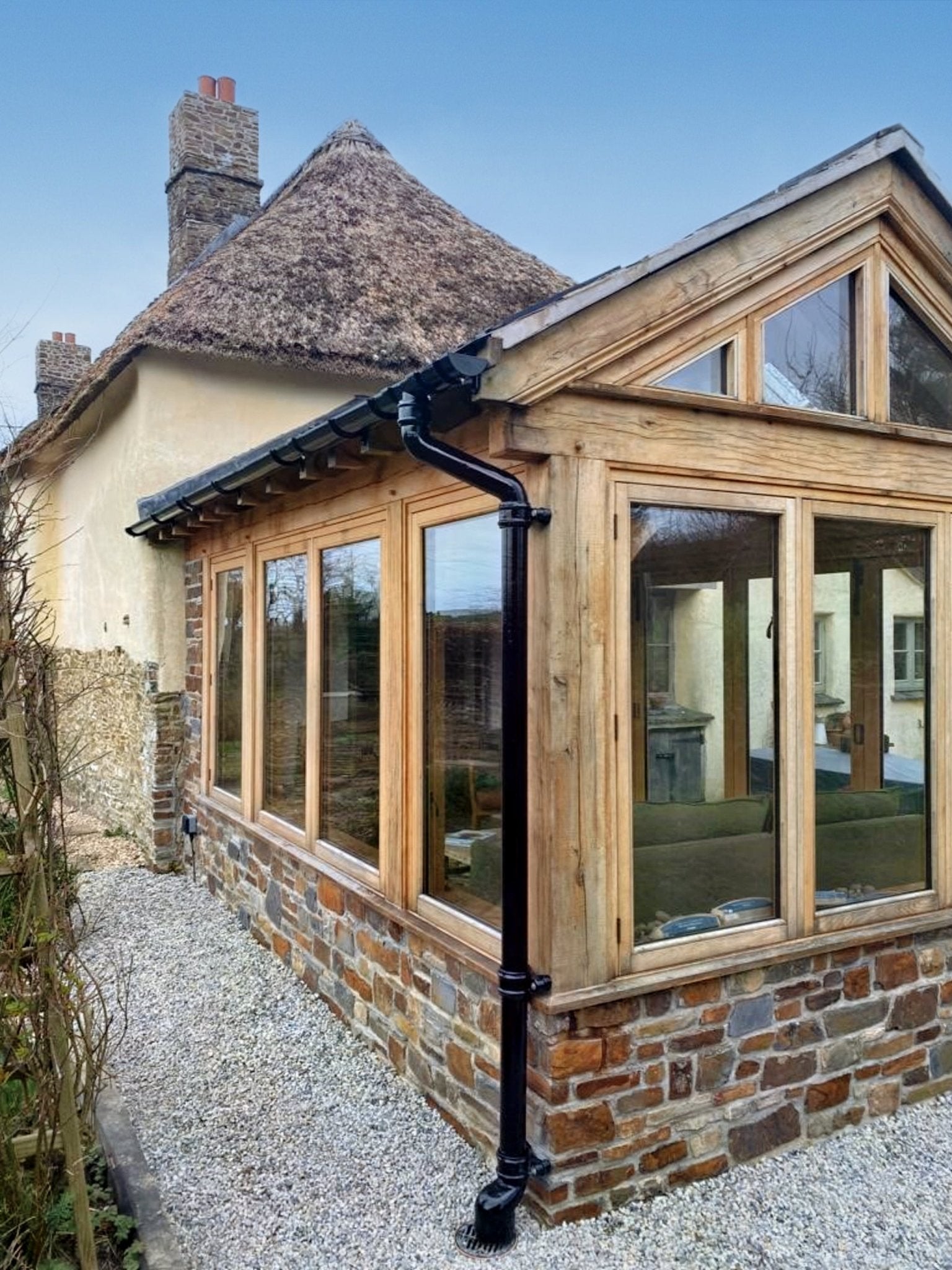
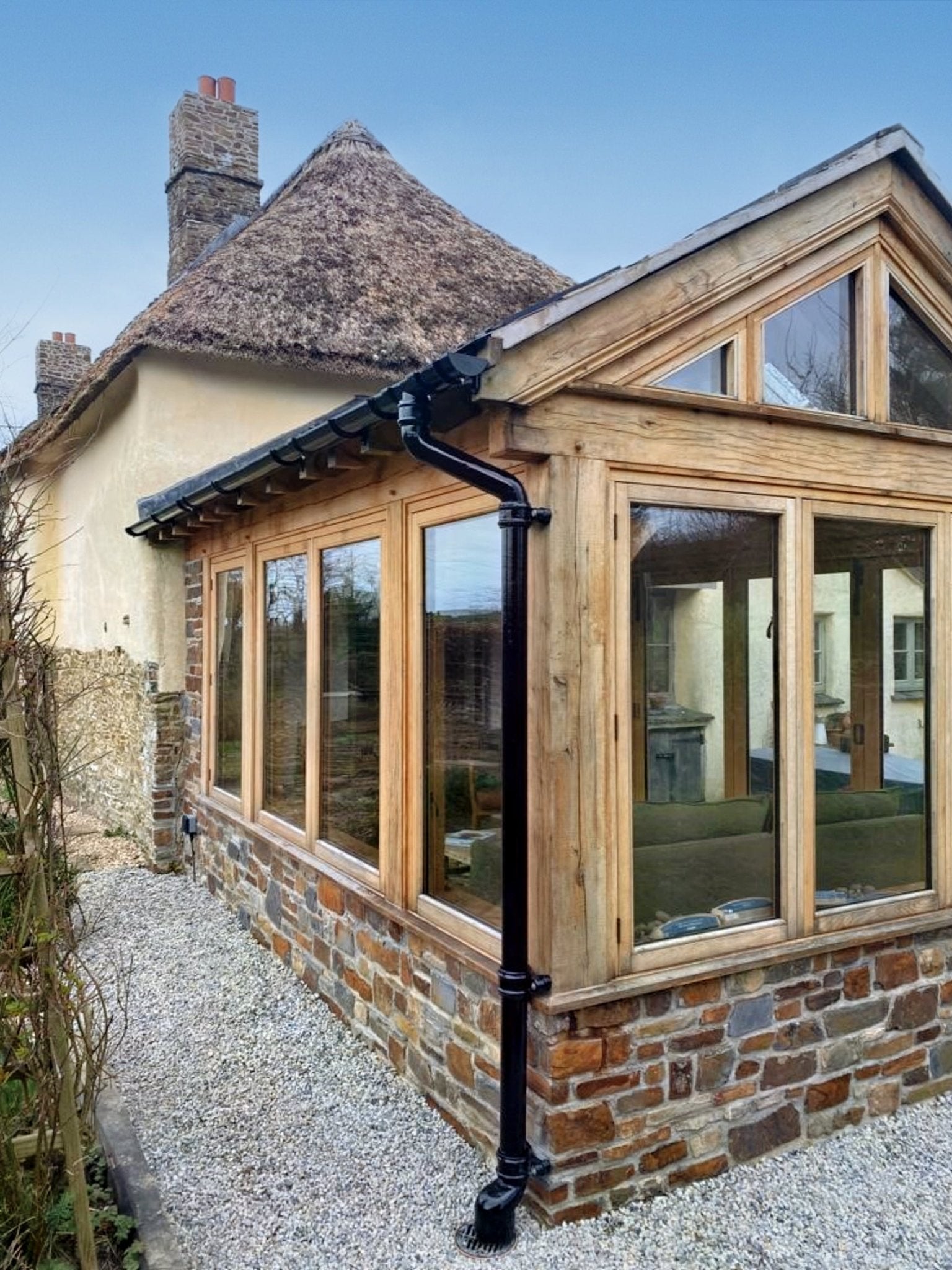
The main benefit is rigidity. Once installed, cast iron holds its shape very well and gives the roofline a solid, traditional finish. It suits older properties particularly well, where plastic can sometimes look a bit out of place.
Another useful point is repairability. Individual gutters, joints, brackets and downpipes can be replaced without changing the whole system, and painted finishes can be refreshed during future maintenance.
There is a trade-off. Cast iron is heavy, so fitting takes more care and decent support is needed. It will need some maintenance over the years too, especially around painted surfaces and joints.
For the right property though, cast iron is hard to beat. You get a strong rainwater system, traditional profiles and a finish which suits buildings where the guttering is part of the architecture rather than something you want to hide.
Get Your Free EstimateWhich Cast Iron Gutter Profile Do I Need?
Choosing a cast iron gutter profile is partly about appearance, but existing fittings and the style of the property matter too. If you’re replacing old guttering, matching the original profile is usually the best place to start.
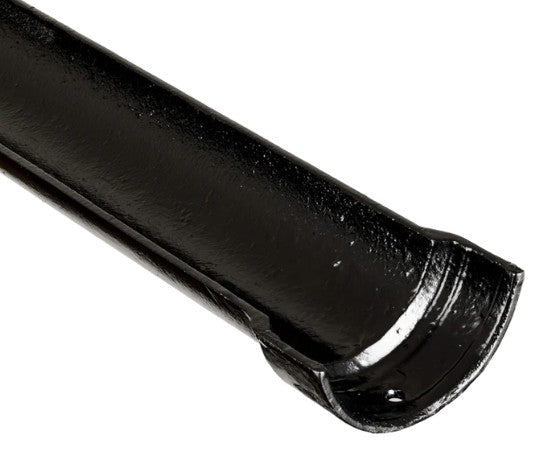
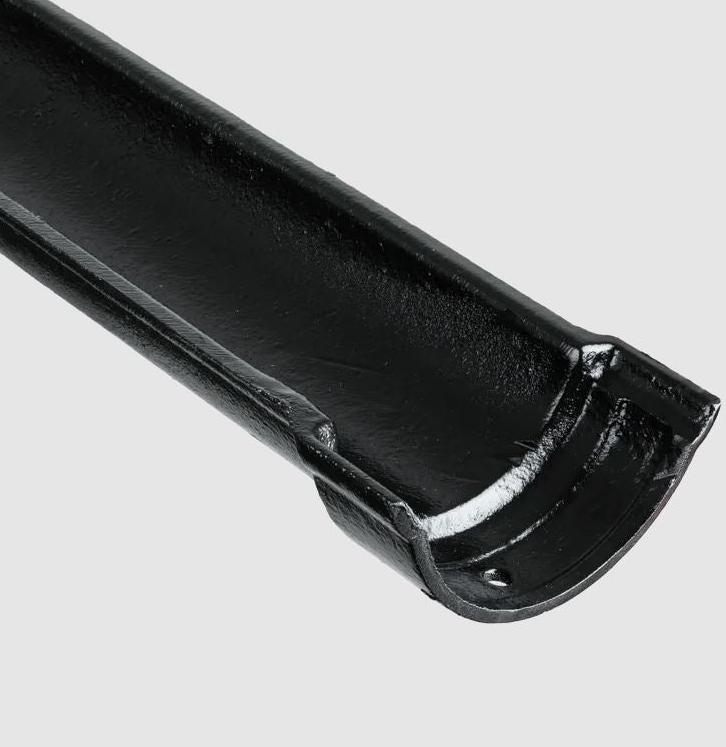
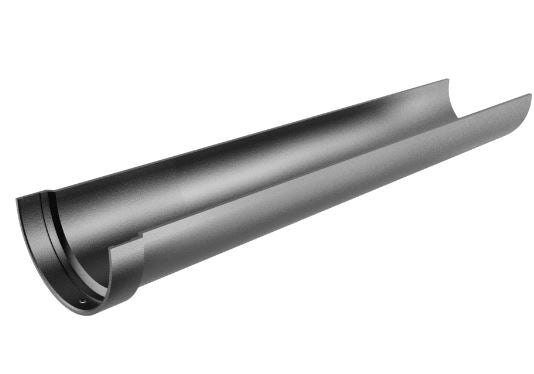
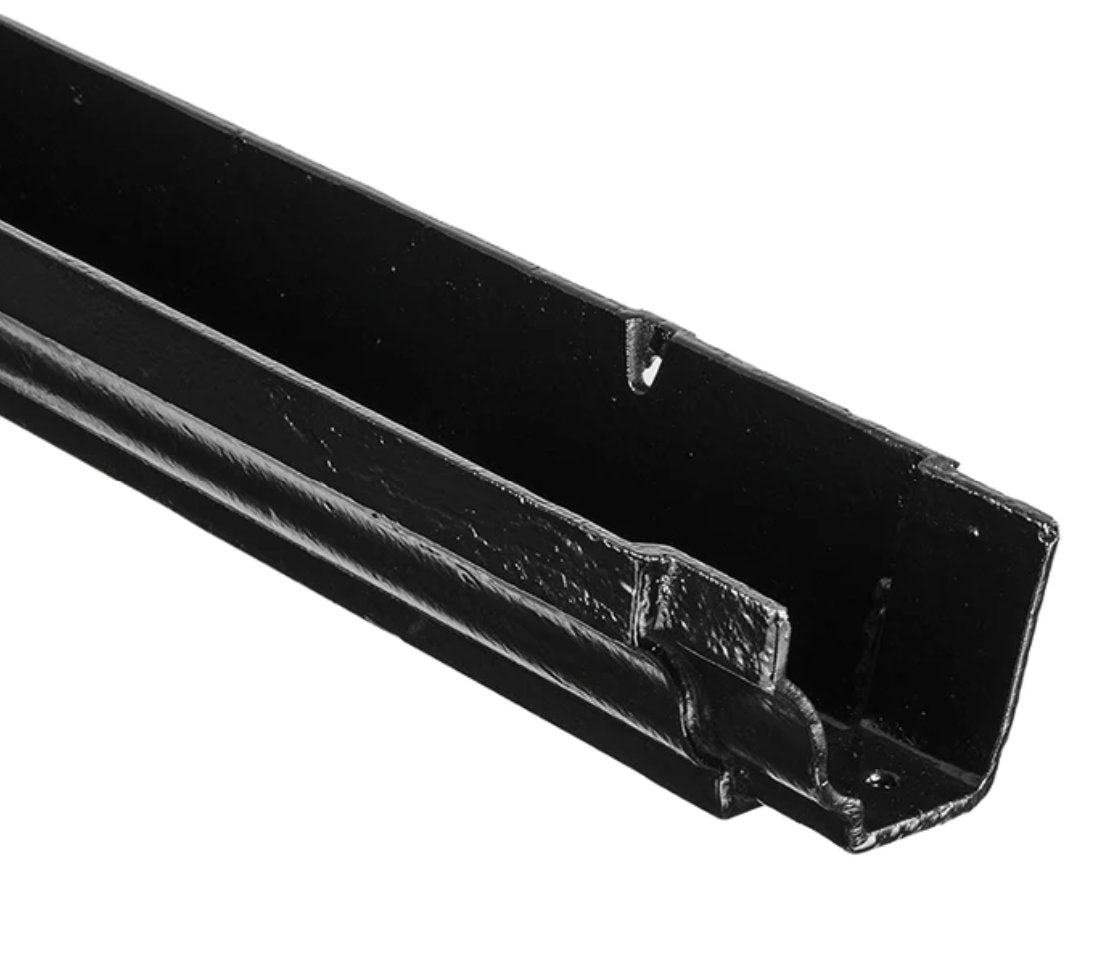
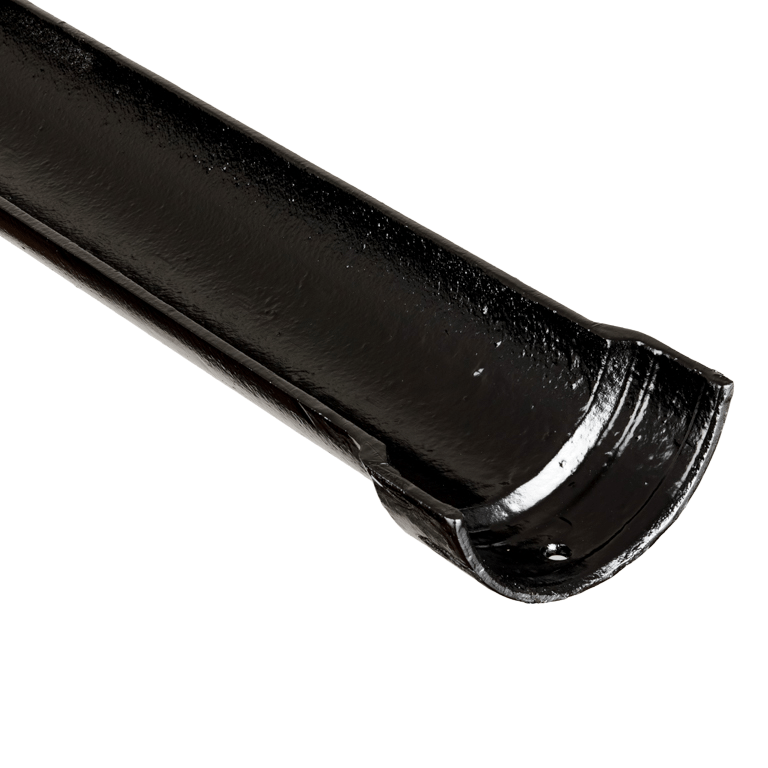
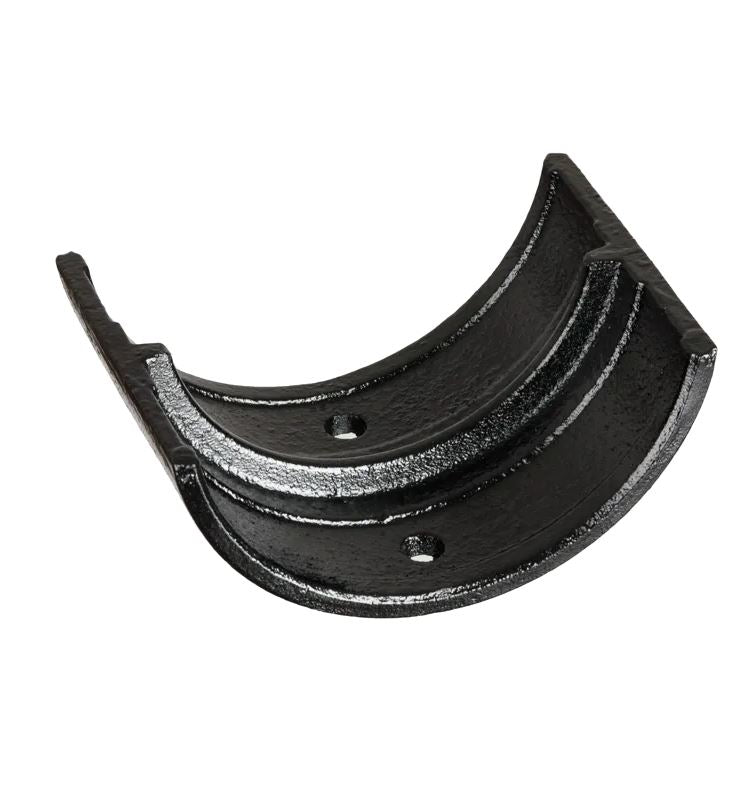
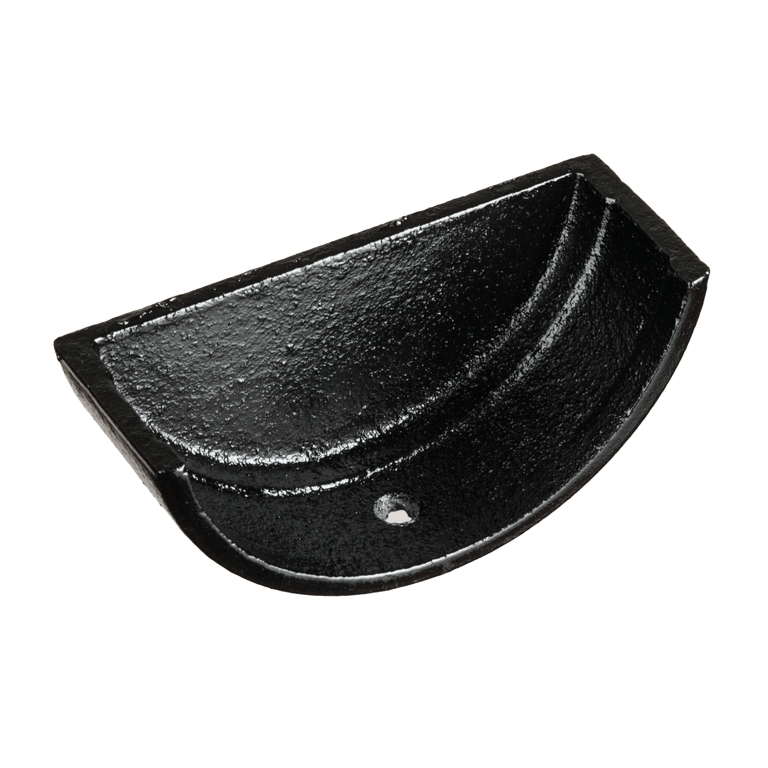
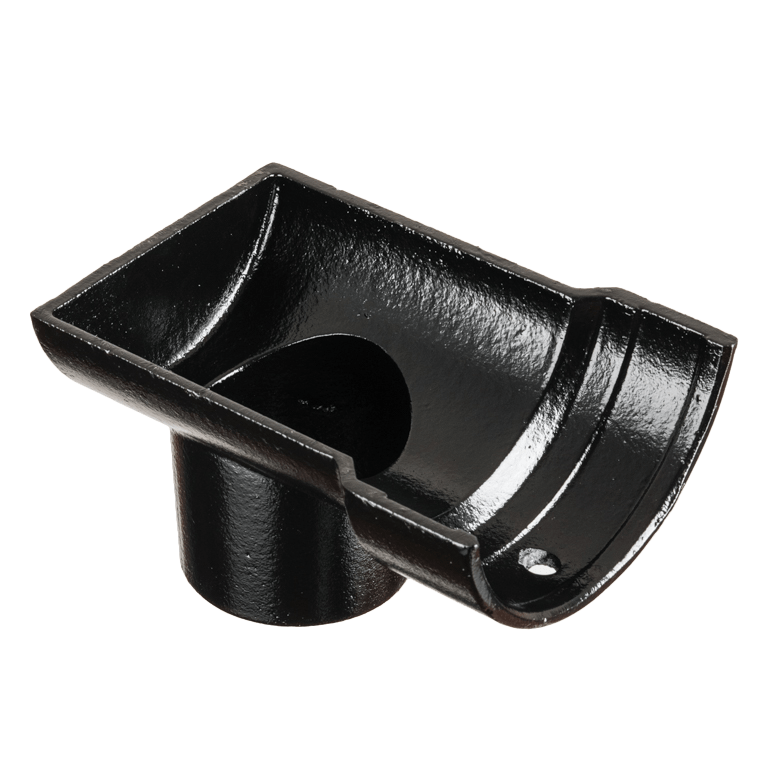
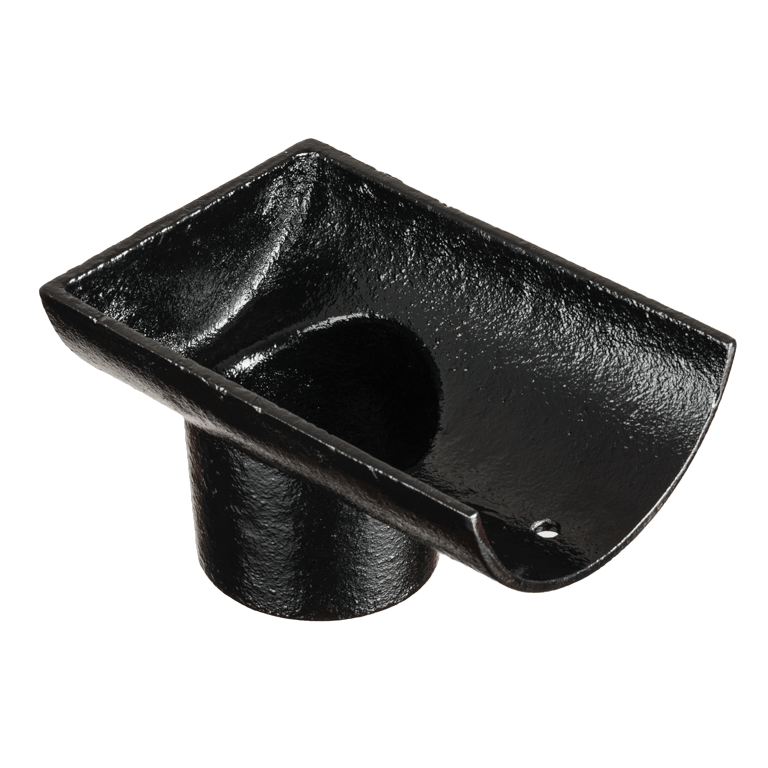
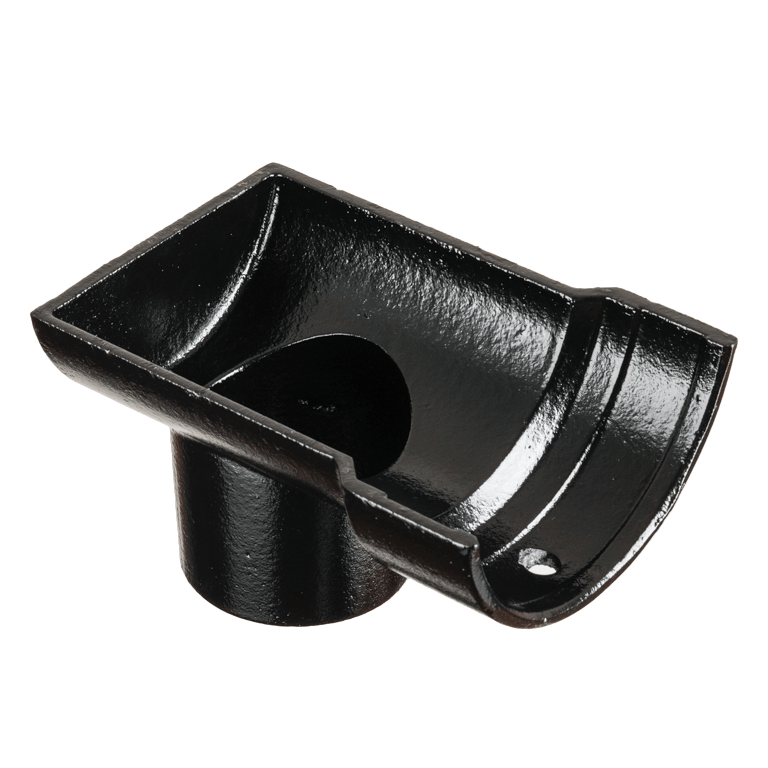
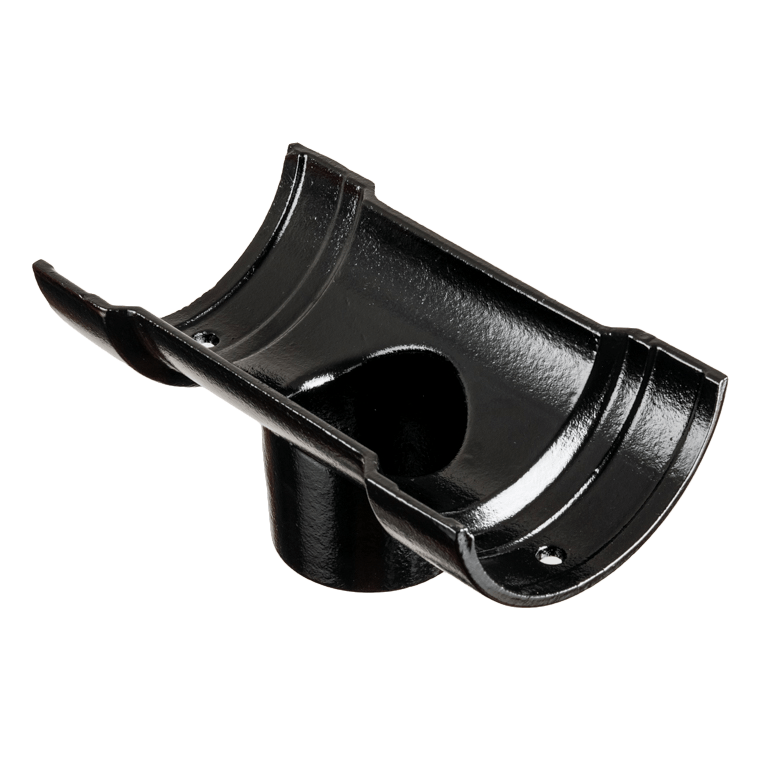
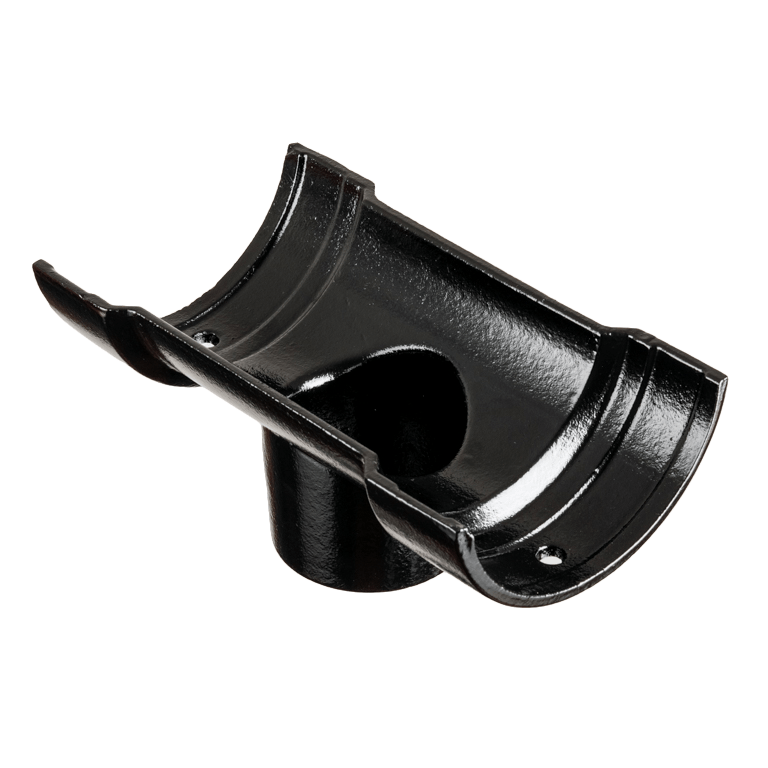
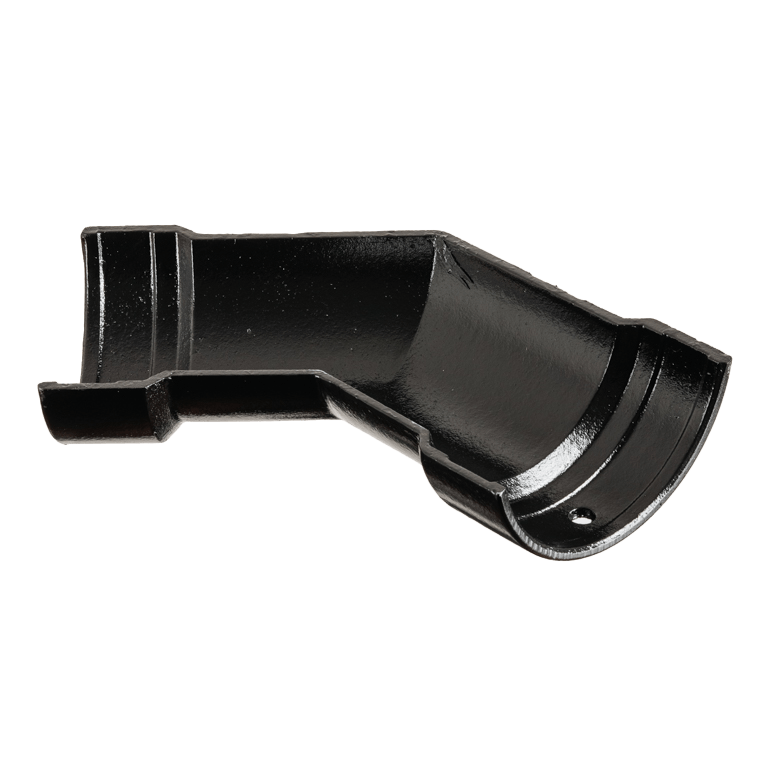
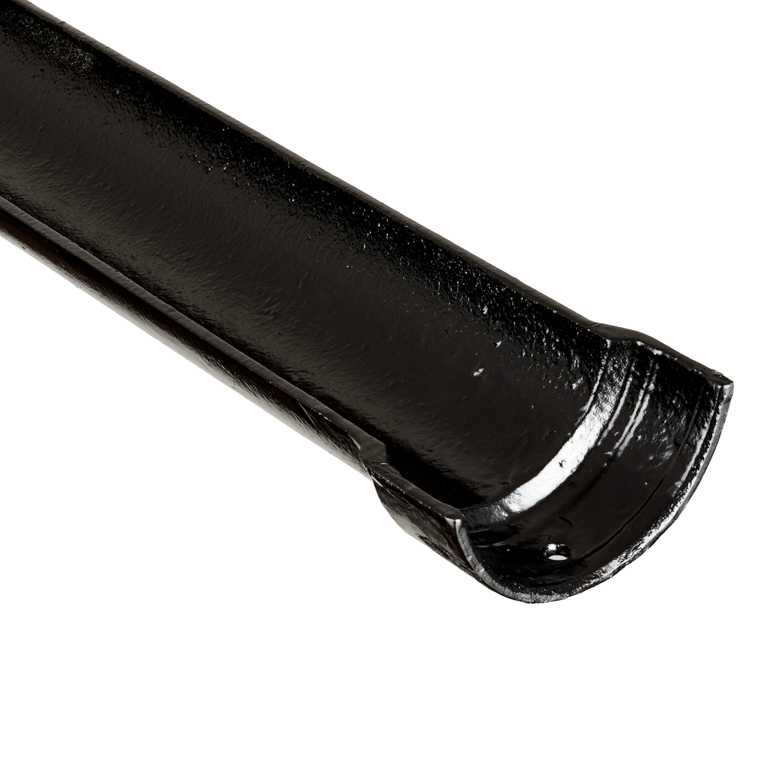
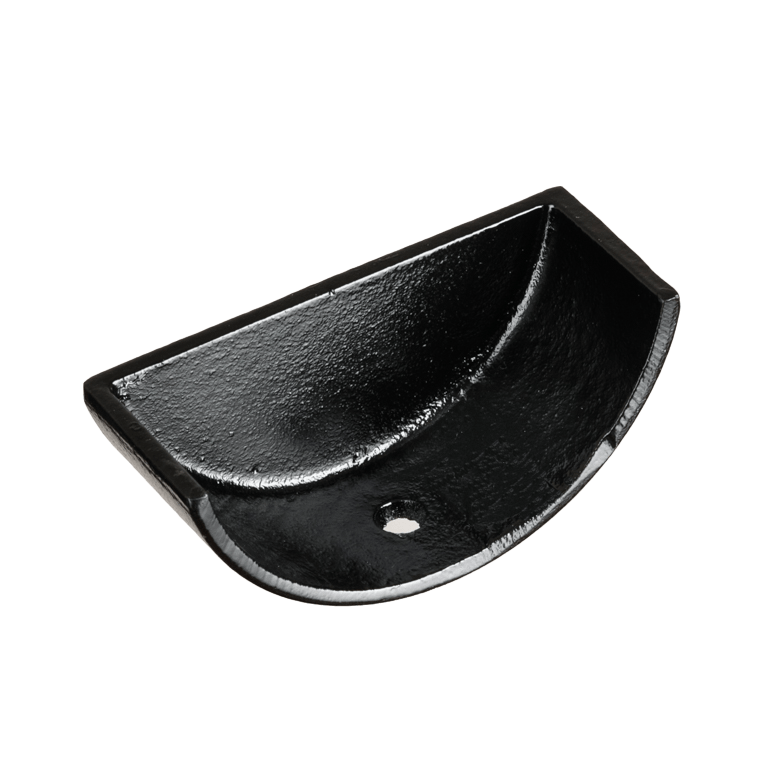
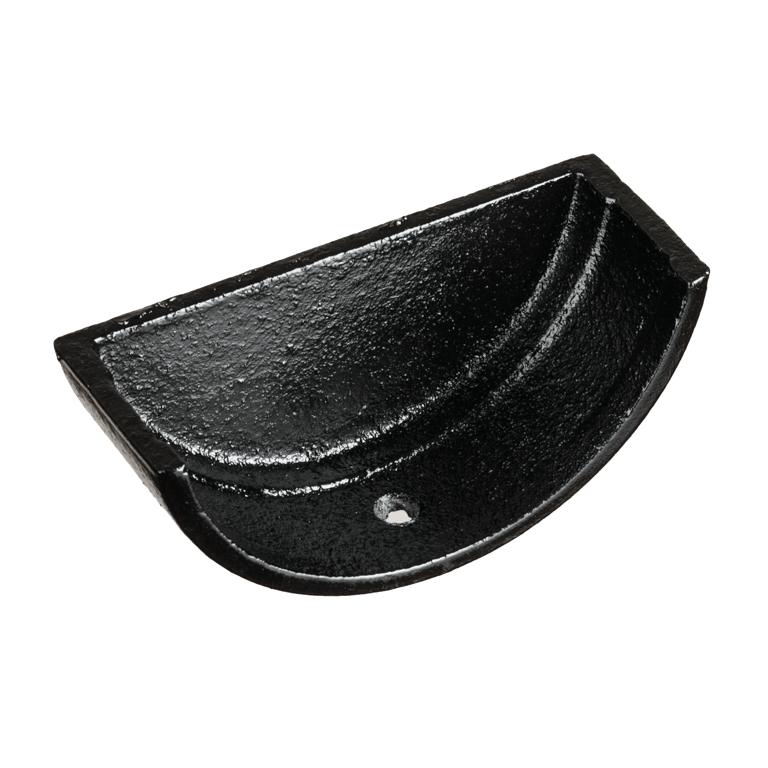
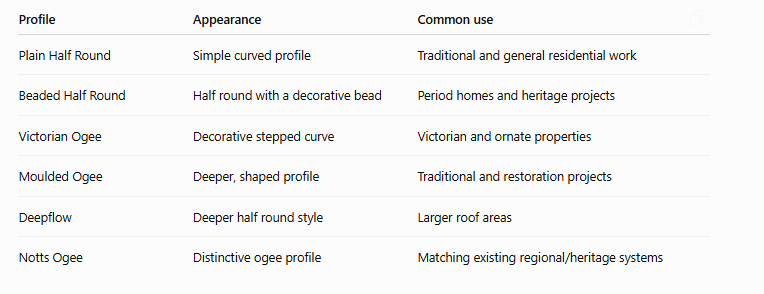
Half round is the simplest shape and works across a wide range of properties. Beaded half round adds a small rolled detail along the edge, giving it a slightly more traditional finish.
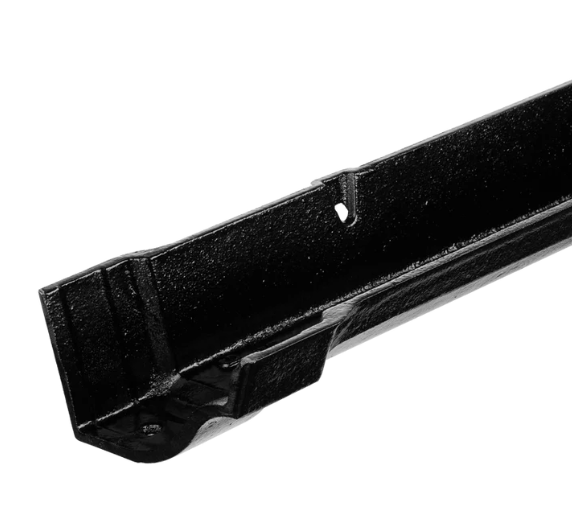
Victorian ogee and moulded ogee have a much more decorative profile. They’re often chosen for period homes, restoration work and buildings where the guttering is meant to be seen rather than blend into the roofline.
Deepflow has a deeper section and is useful where a larger rainwater capacity is needed.
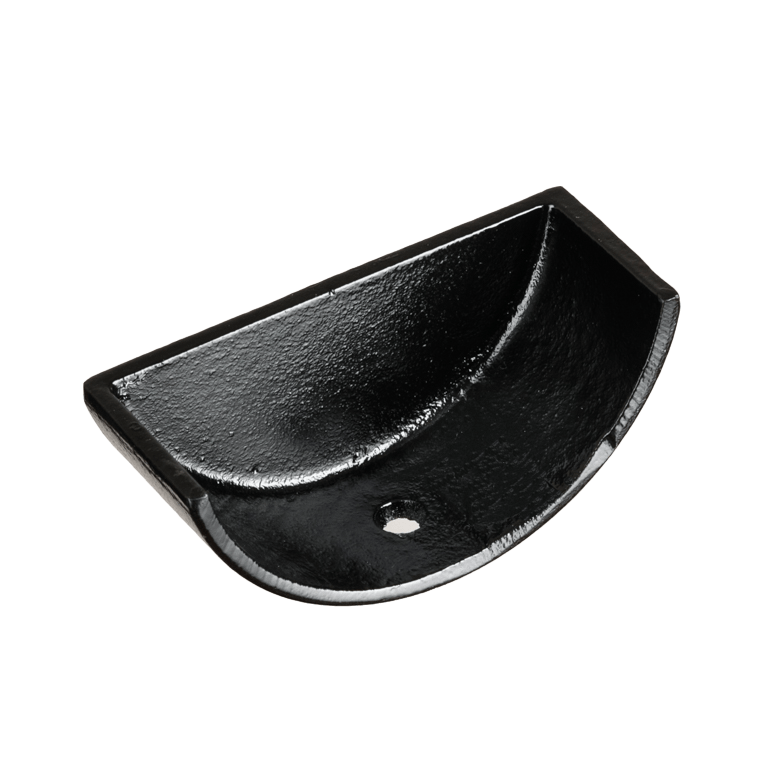
If you’re unsure what you already have, send us a clear photo of the gutter end plus a few measurements. We can usually help identify the closest match.
Primed vs Pre-Painted Cast Iron Guttering
Primed and pre-painted cast iron use the same heavy-duty base material, but the finish is different.
Primed cast iron arrives with a temporary protective coating. It costs less upfront and gives you freedom to apply your own final colour on site. The important bit is timing. Primed components should receive their proper finishing coats soon after installation, rather than being left exposed for a long period.
Pre-painted cast iron costs more, but the finishing work has already been done at the factory. The coating is applied under controlled conditions, giving a consistent finish across gutters, downpipes and fittings. Black is the most popular option and suits most traditional properties.
For many restoration projects, primed makes sense where a particular paint colour is needed. For a straightforward installation where you want the system ready to fit with less on-site painting, pre-painted is usually the easier route.
If you’re matching existing cast iron, send us a photo before ordering. We can help identify the profile and talk through the finish options.
How Is Cast Iron Guttering Installed?
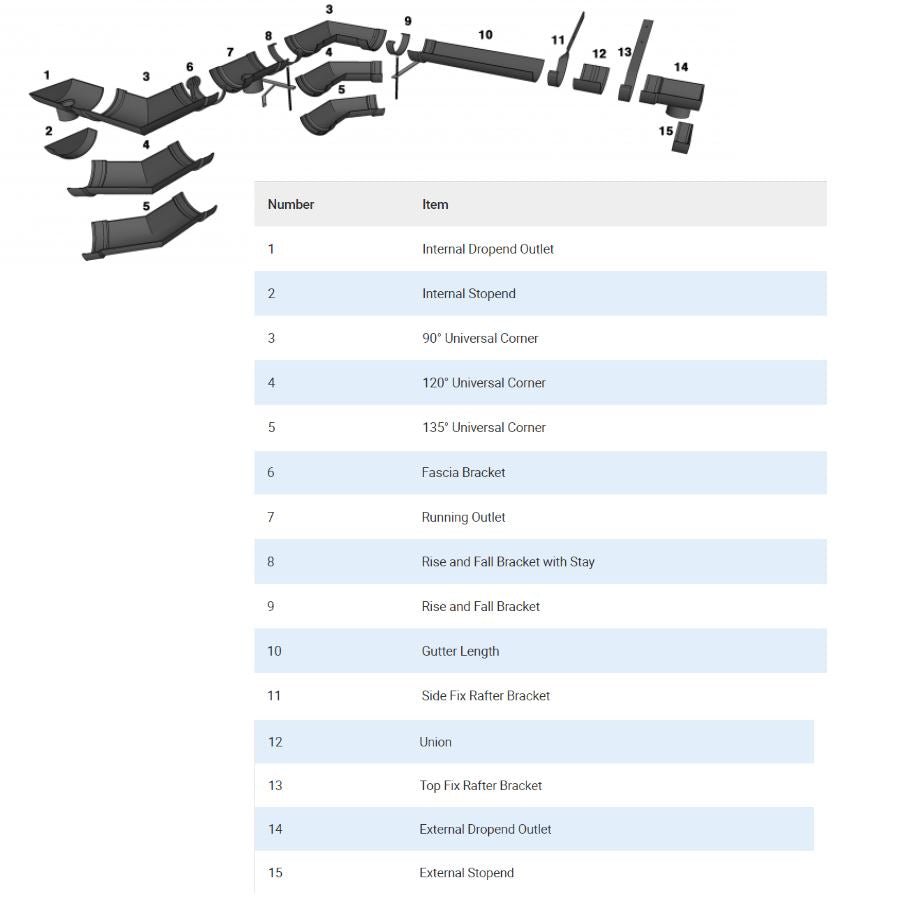
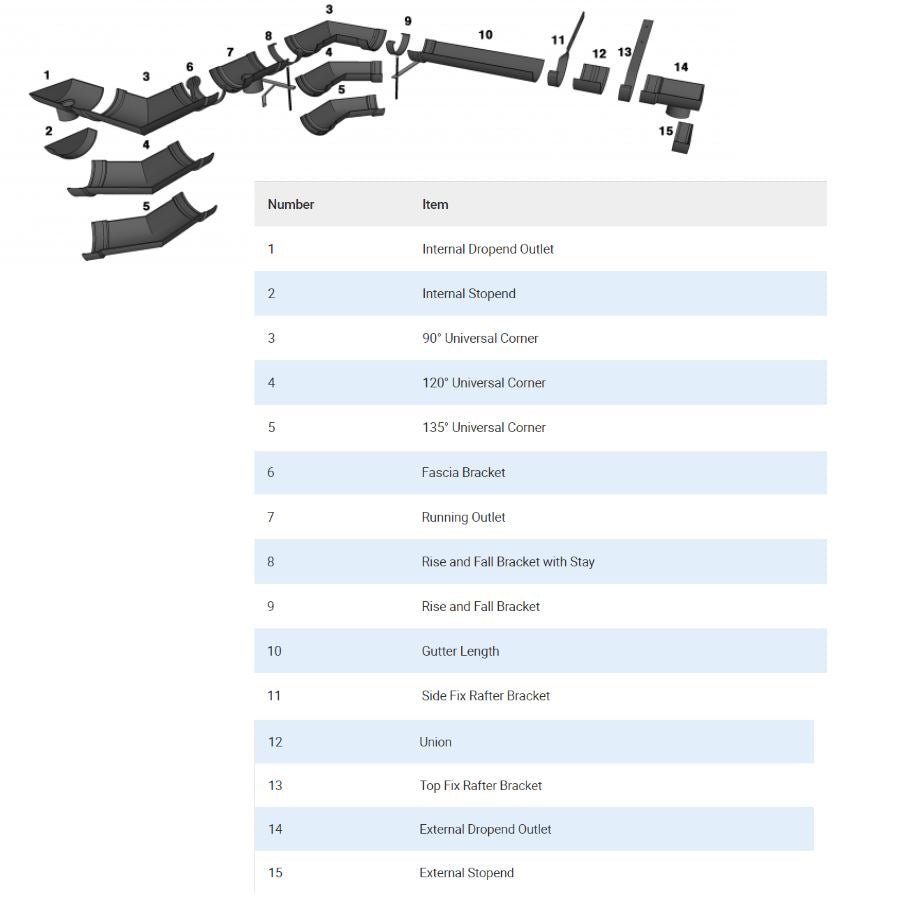
Cast iron guttering is heavier than plastic or aluminium, so the brackets and joints need to be set out properly from the start.
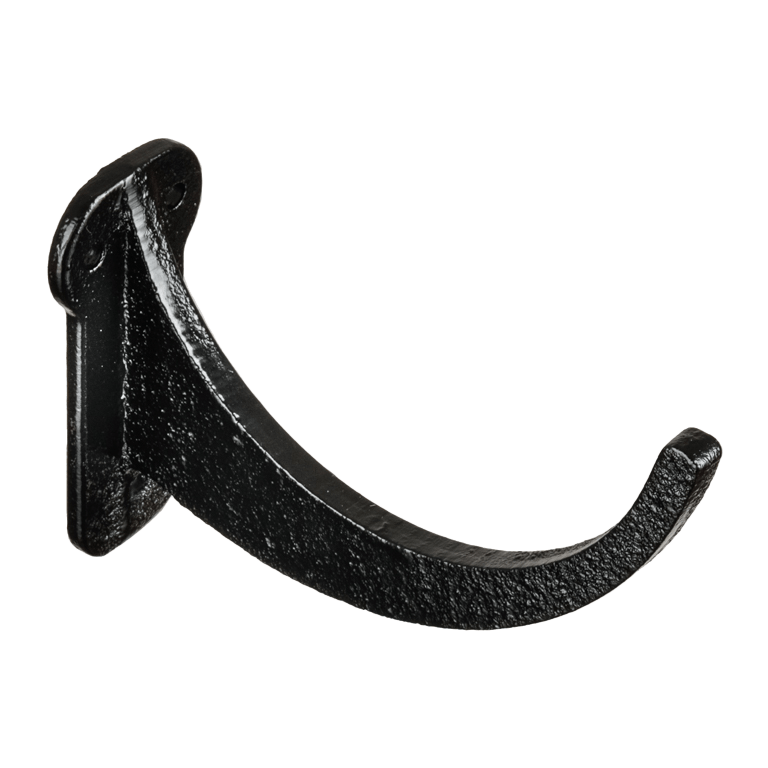
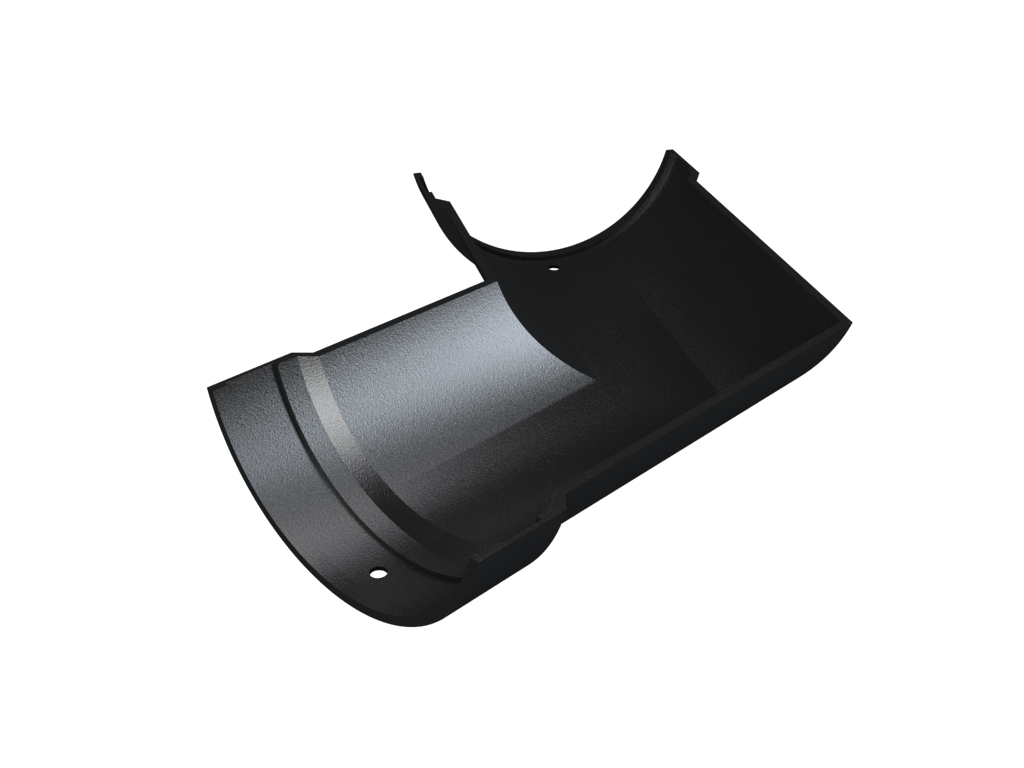
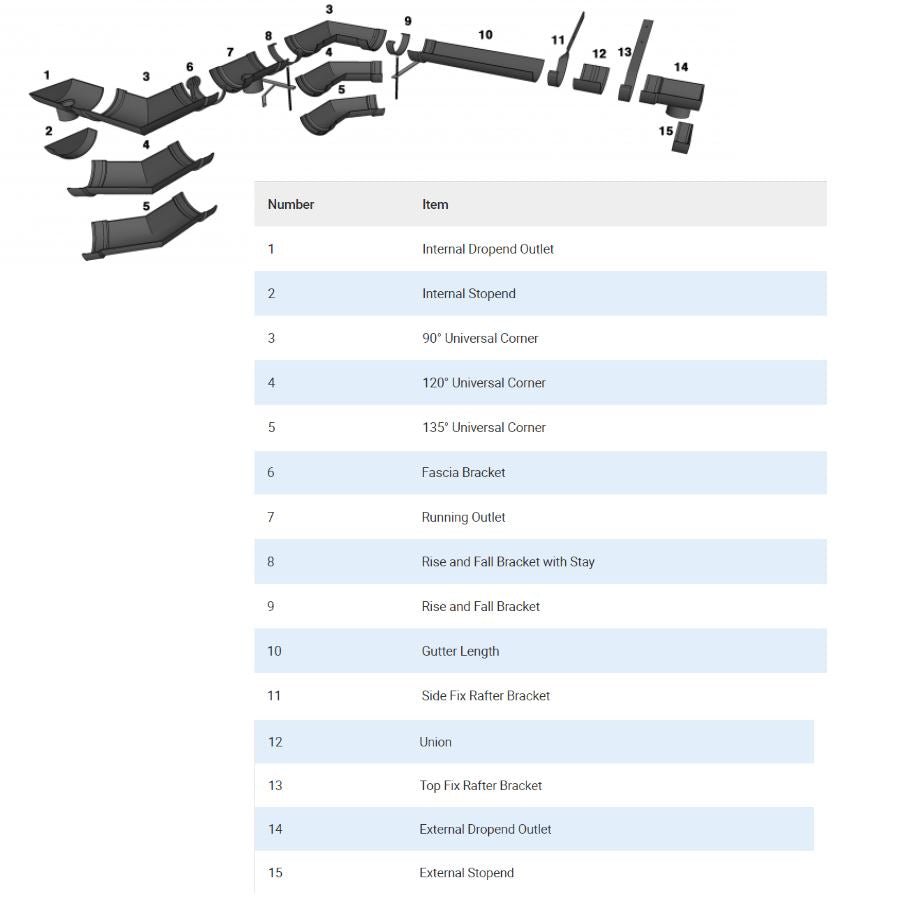
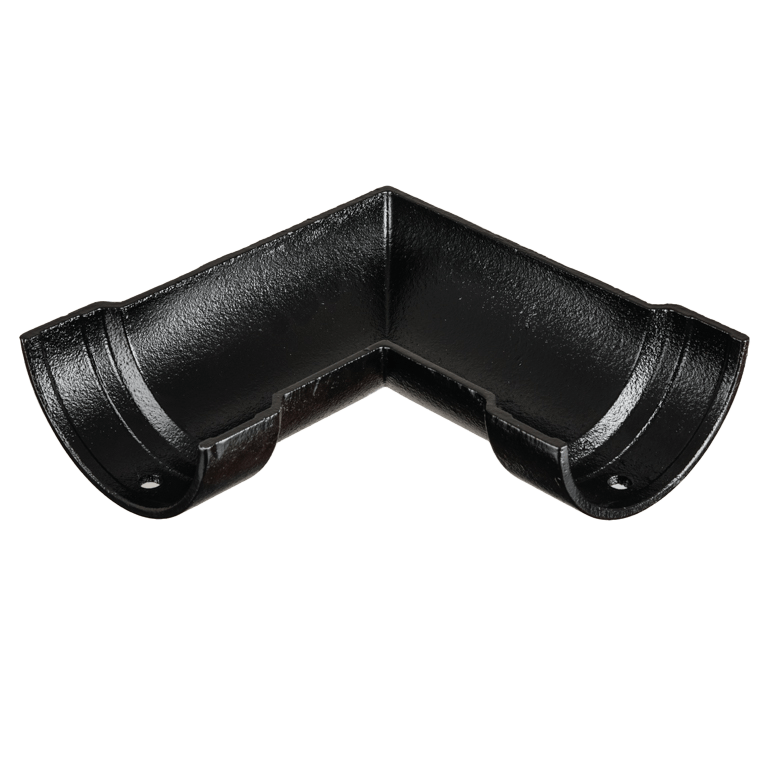
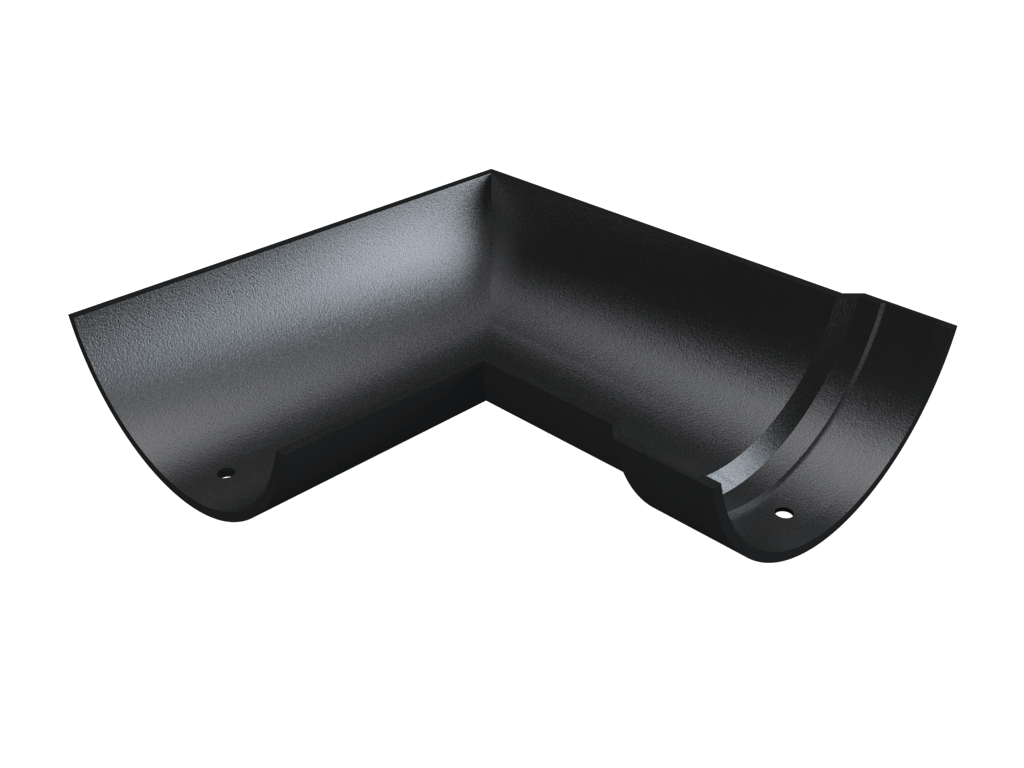
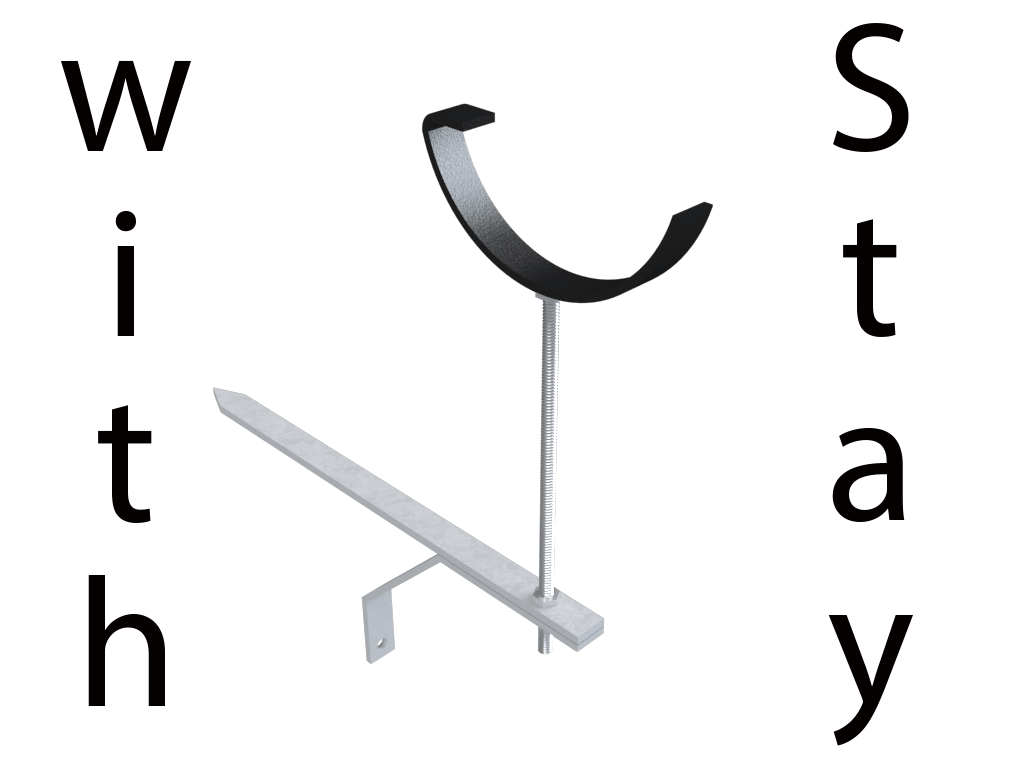
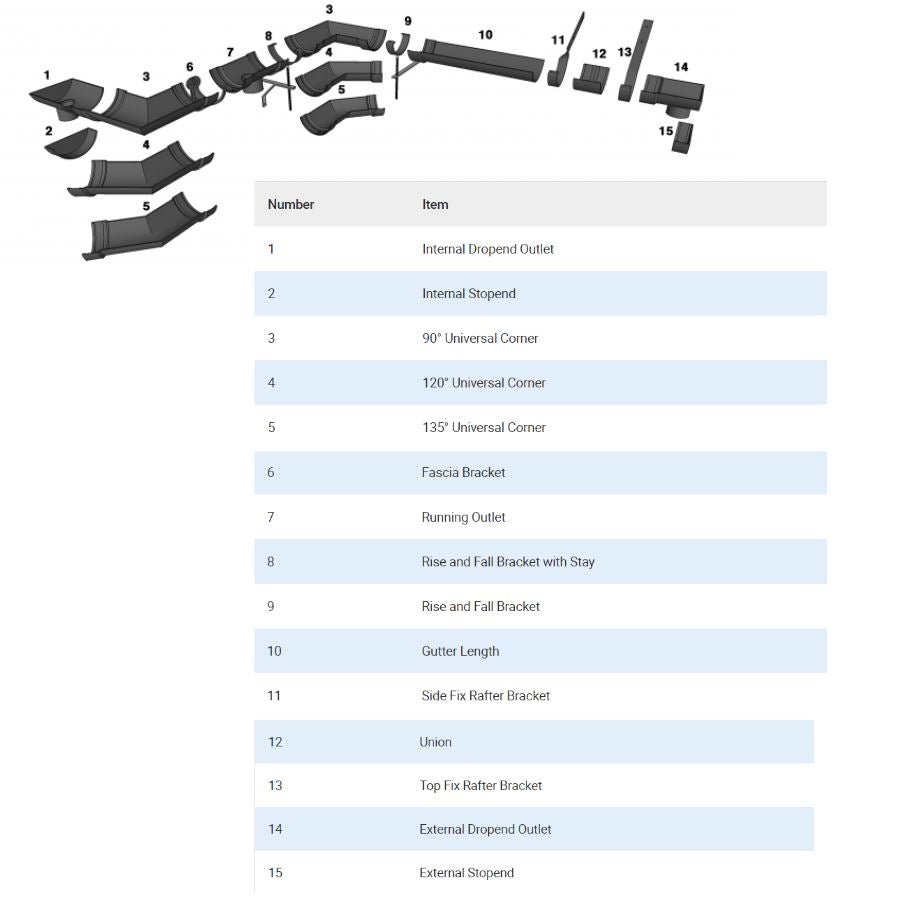
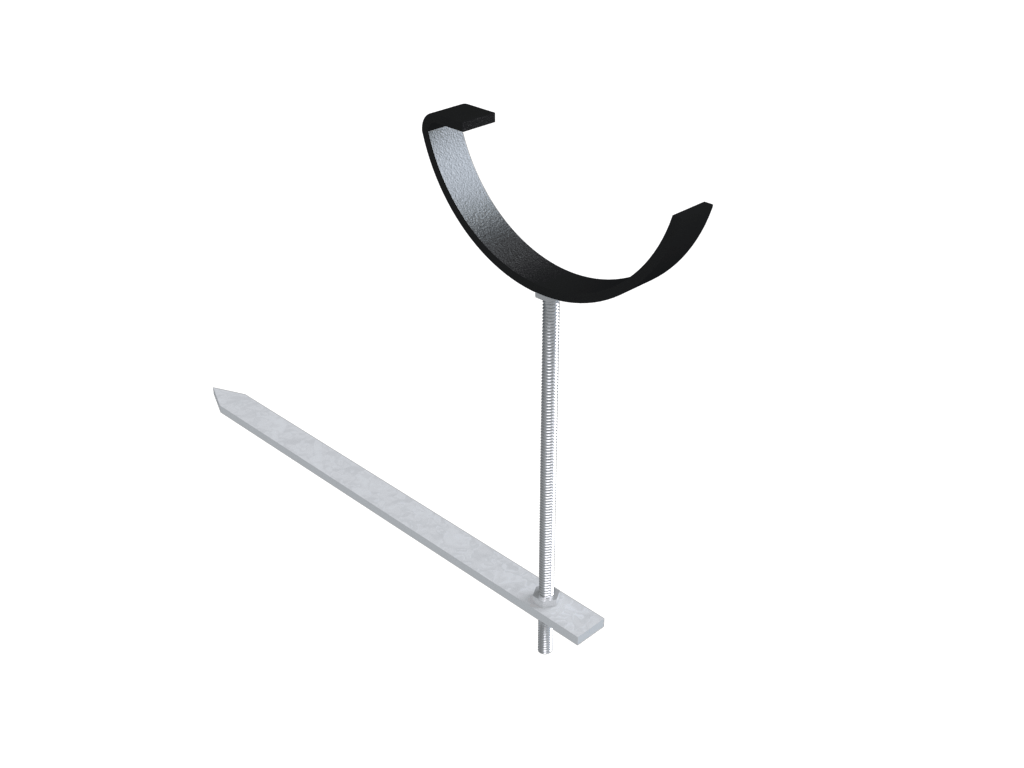
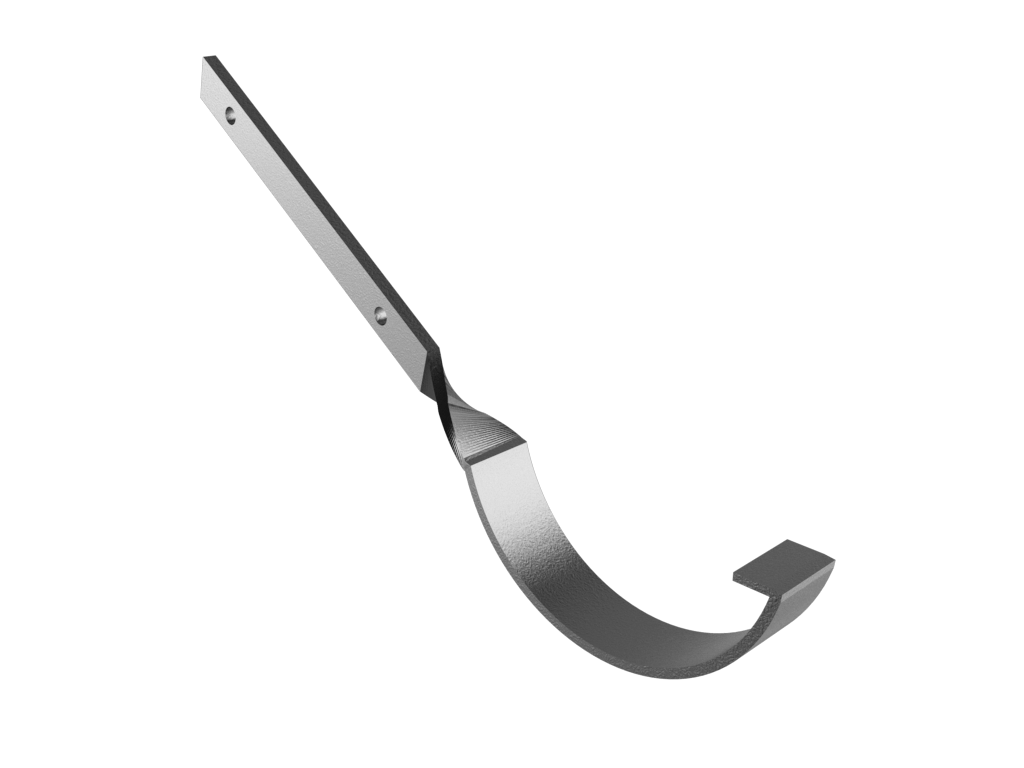
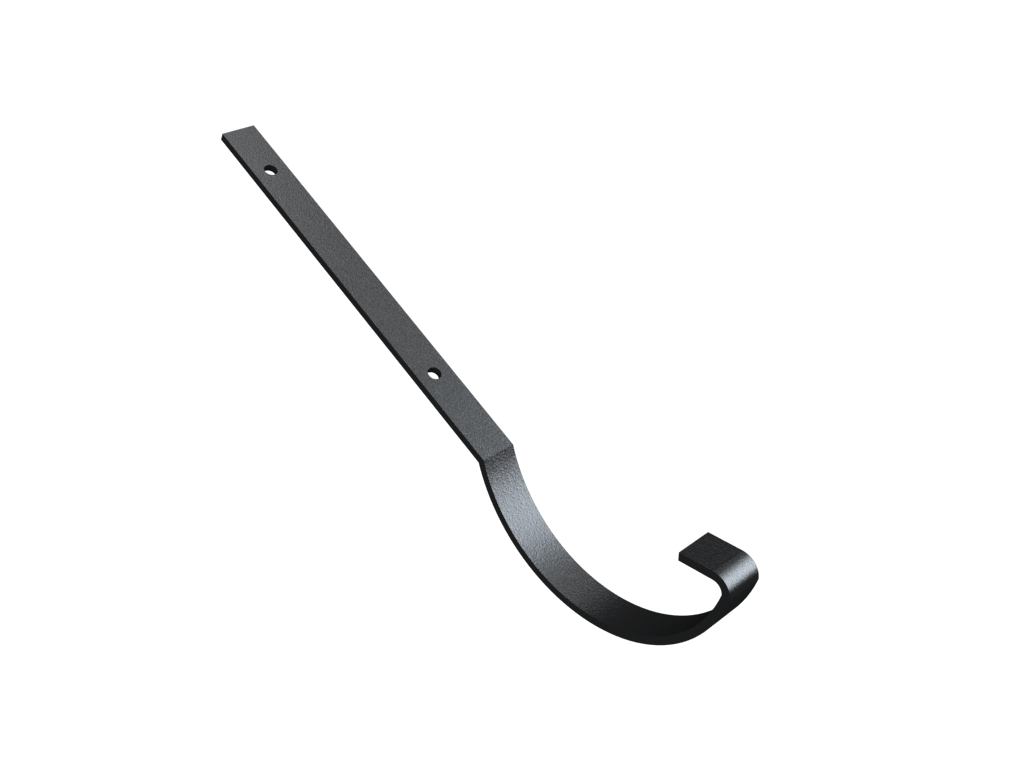
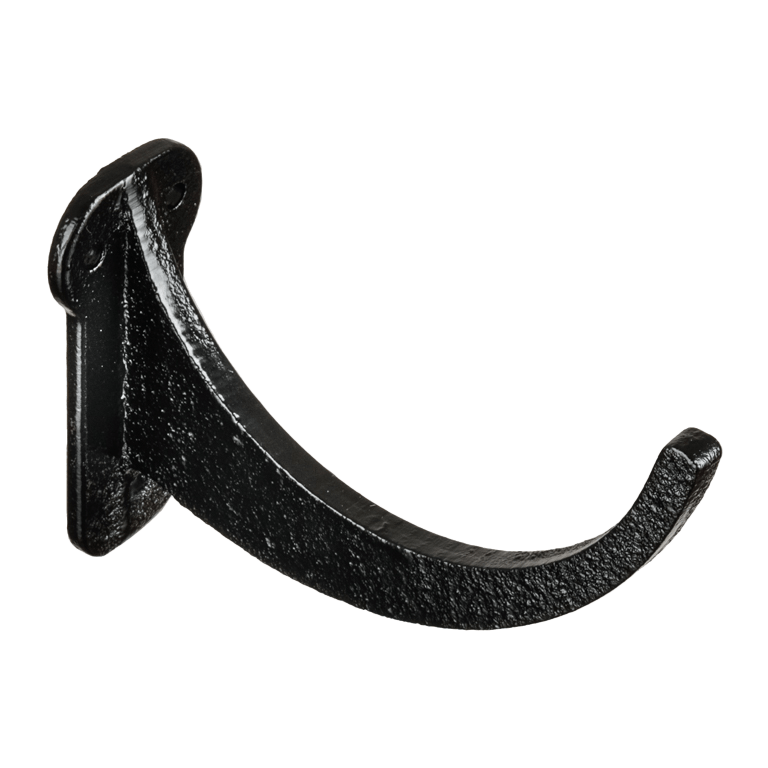
For most traditional cast iron systems, gutter brackets are fitted at regular centres along the fascia or rafters, with extra support close to outlets and corners. The gutter should run on a slight fall towards the outlet so water drains cleanly rather than sitting in the channel.
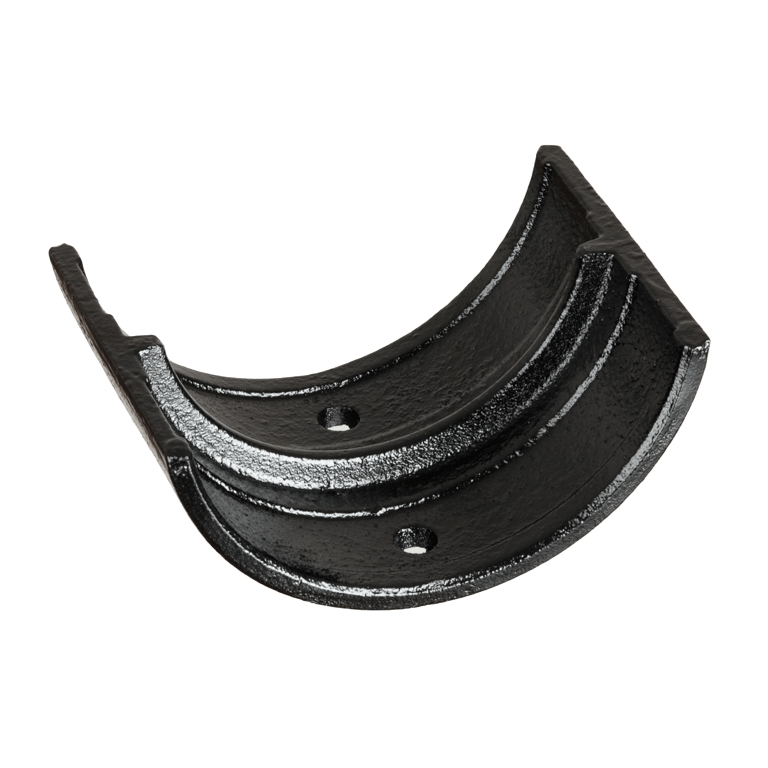
Cast iron lengths usually join through socketed connections. A small expansion gap is left inside the joint, rather than pushing the two sections tightly together. The joint is sealed and bolted using the correct fixings for the system.
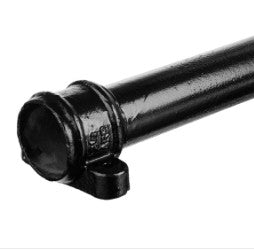
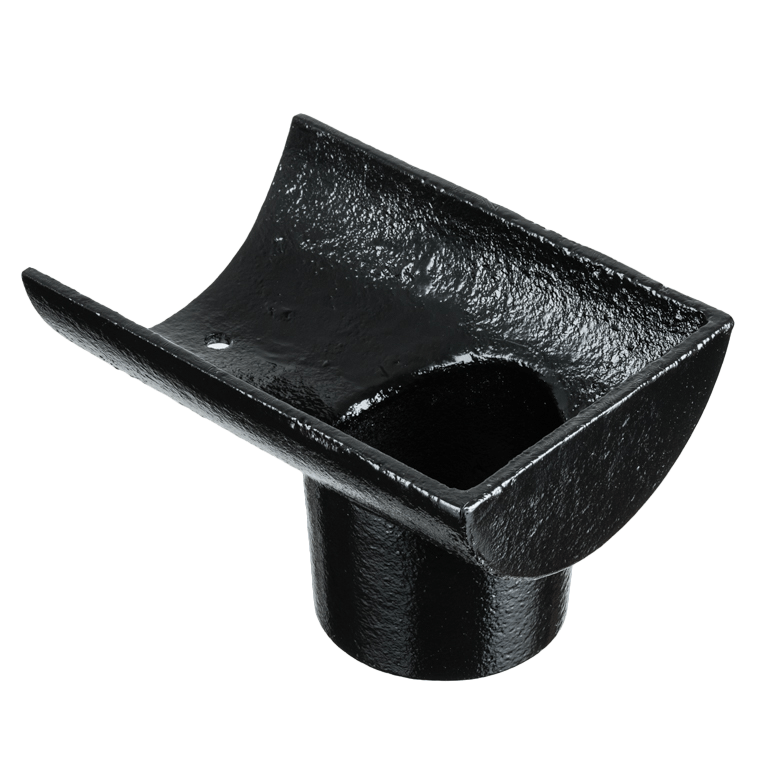
Downpipes are fixed separately using pipe brackets, with bends used to bring the pipe from the outlet towards the wall where needed.
It’s a fairly straightforward system once everything is measured out, but the weight of cast iron means handling and support matter more than they would with plastic guttering.
View Cast Iron Installation GuideCast Iron Guttering FAQs
How long does cast iron guttering last?
Cast iron guttering can stay in service for many decades when it’s fitted properly and maintained. Plenty of older UK properties still have original or partly original cast iron rainwater systems in place.
The main thing to watch is the protective finish. Any chipped paint, exposed iron or early corrosion should be dealt with before it spreads. Joints and fixings are worth checking from time to time too.
What’s the difference between primed and pre-painted cast iron guttering?
Primed cast iron comes with a temporary protective coating and still needs its final paint system applied after installation.
Pre-painted cast iron arrives with its finished coating already applied at the factory. It costs more upfront, but there’s less finishing work to do on site.
Primed is useful where you need a particular colour. Pre-painted black tends to be the easier option for a straightforward replacement job.
Which cast iron gutter profile do I need?
If you’re replacing existing guttering, match the old profile wherever possible.
Plain half round is the simplest option. Beaded half round has a small decorative bead along the edge. Victorian ogee and moulded ogee are more decorative, so they’re often used on period buildings and restoration work. Deepflow gives you a deeper channel where greater rainwater capacity is needed.
Send us a photo of the gutter end and a few measurements if you’re unsure. We can usually help identify the closest match.
How far apart should cast iron gutter brackets be?
Bracket spacing depends on the system being fitted, but many traditional cast iron systems use centres of around 915mm.
Extra support is often needed near outlets, corners and other fittings. Getting the bracket line right at the start matters more with cast iron, since the material is far heavier than plastic or aluminium.
How are cast iron gutter joints sealed?
Traditional cast iron gutter lengths usually join through socketed connections.
The sections shouldn’t be forced tightly together. A small movement gap is left inside the socket, with the joint sealed using the correct sealant and secured using the specified bolts and fixings.
For the systems we supply, always follow the fitting guide for the exact profile being installed.
Do I need fascia brackets for cast iron guttering?
Not always.
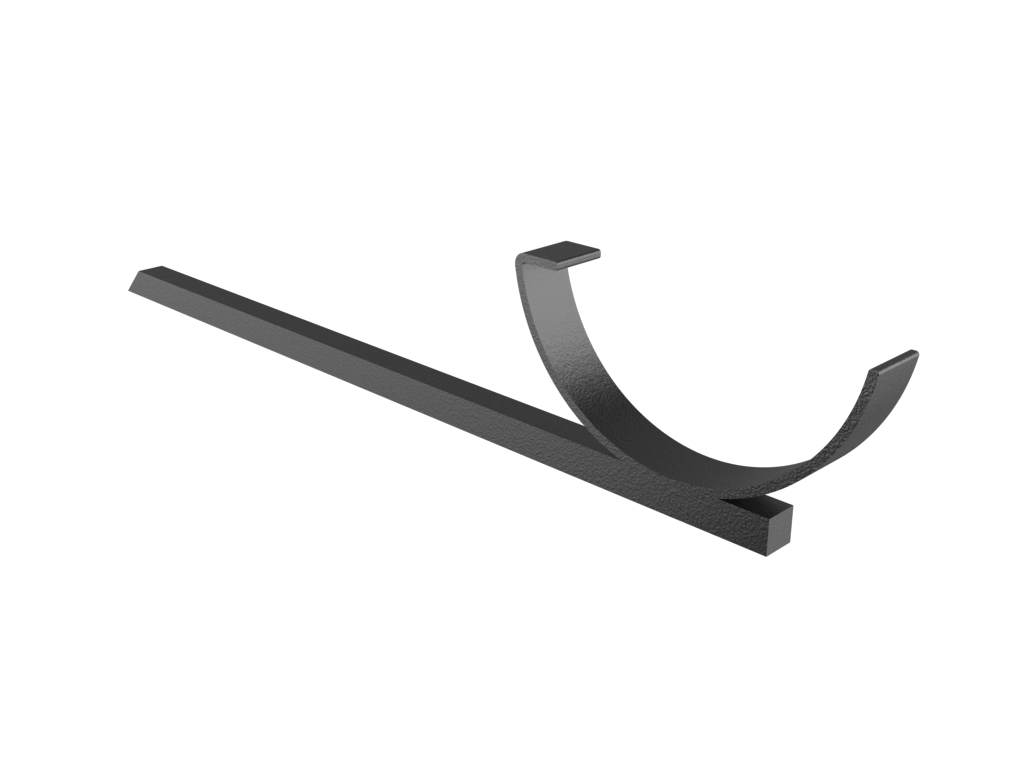
Fascia brackets are common where a suitable fascia board is already in place. Rafter brackets or other bracket types can be used where there isn’t a fascia, depending on the roof construction.
Cast iron is heavy, so the bracket type and fixing surface need to be suitable for the load.
Can cast iron guttering be used on listed buildings?
Yes, and it’s often chosen for listed buildings, conservation work and traditional properties where keeping the original appearance matters.
The profile, size and finish can be important on protected buildings, so it’s sensible to check any planning or conservation requirements before replacing an original system.
How quickly can you deliver cast iron guttering?
Delivery varies depending on the finish and the exact parts ordered.
Stocked primed and pre-painted black items are usually the quickest. Custom colours and less common fittings can take longer.
If you’ve already booked an installer, send us your parts list first and we can check availability across the whole order.
What hoppers do you offer?
We offer a variety of cast iron hopper styles and sizes. From fluted to rectangular, we have one to suit your heritage project. Just drop us an email or explore our cast iron hopper page for further details.
Can cast iron guttering be cut on site?
Yes. Cast iron can be cut where needed, but you need suitable tools and care around the cut edge.
Any exposed metal should be treated properly afterwards to protect it from corrosion. Measure first, especially around outlets and corners, since cast iron sections are much less forgiving to handle than plastic.
If we still haven't answered your question, you can contact us below and we will get back to you as soon as possible.