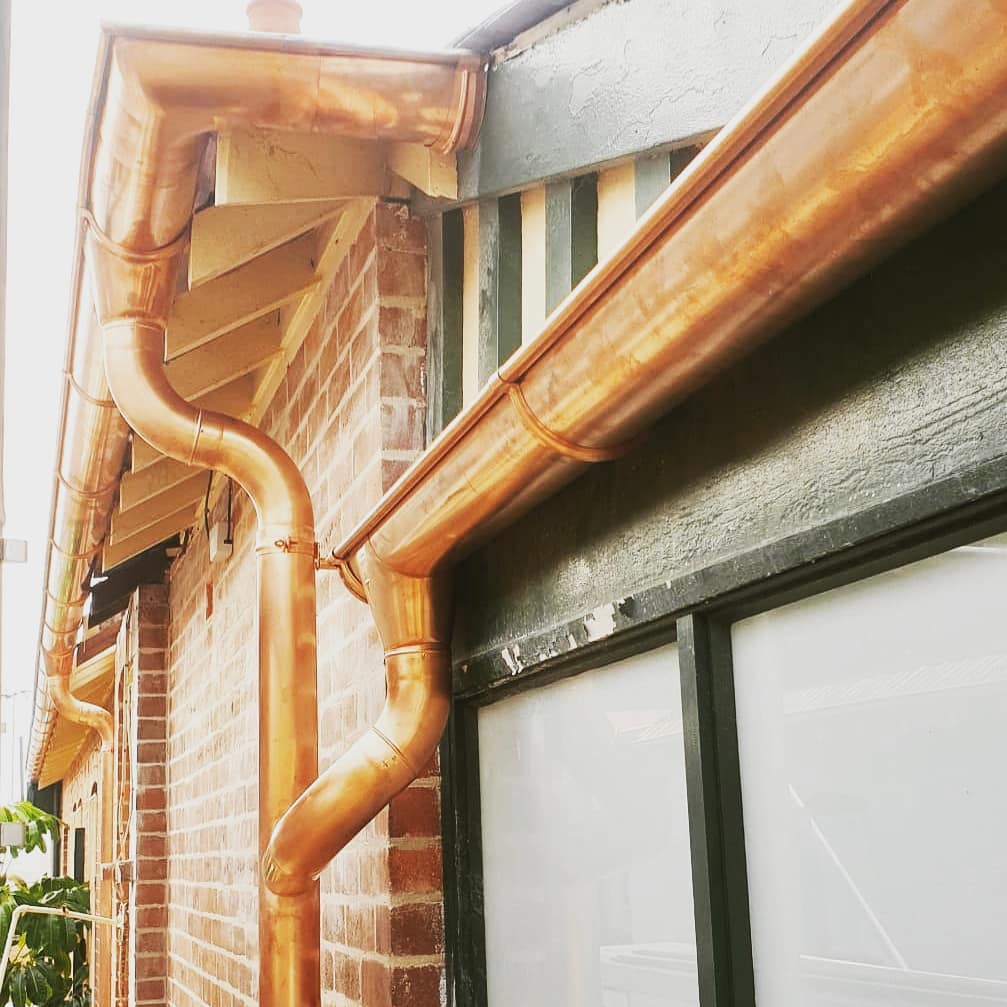
Why Choose Zambelli Copper Guttering?
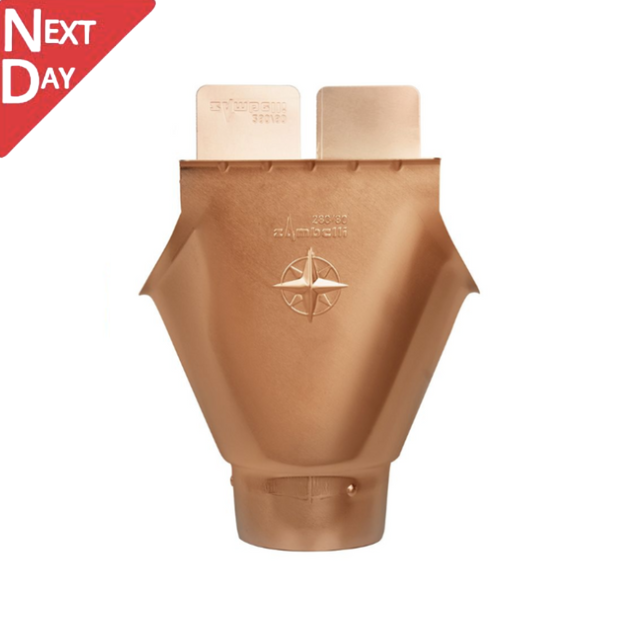
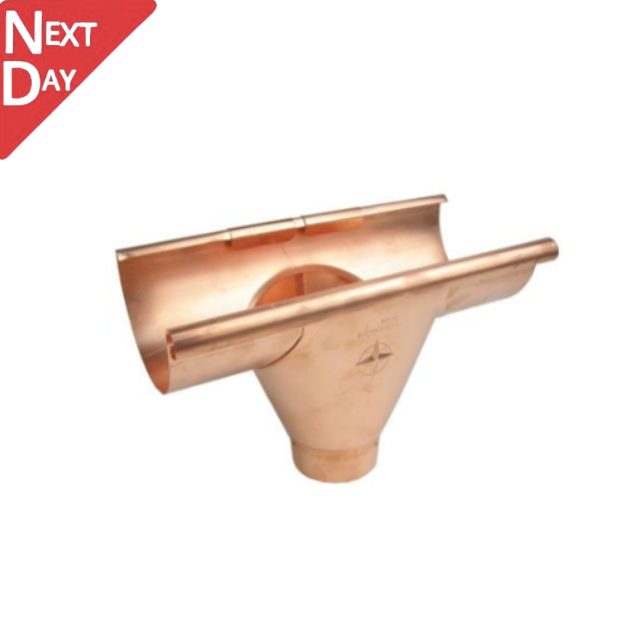
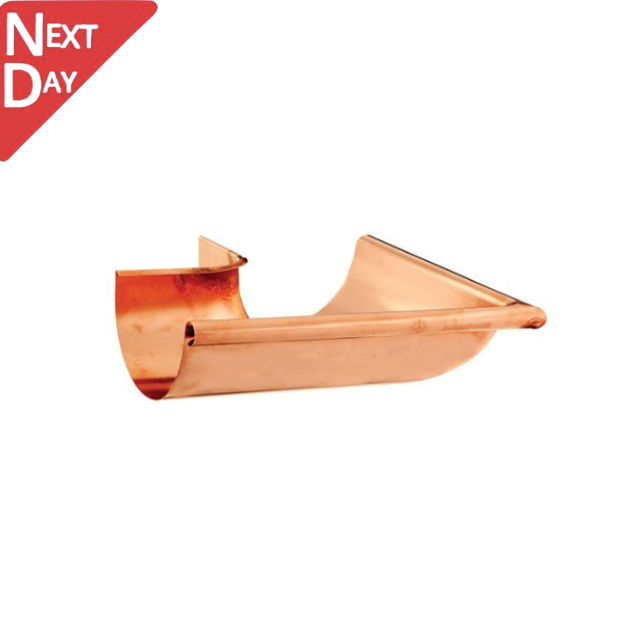
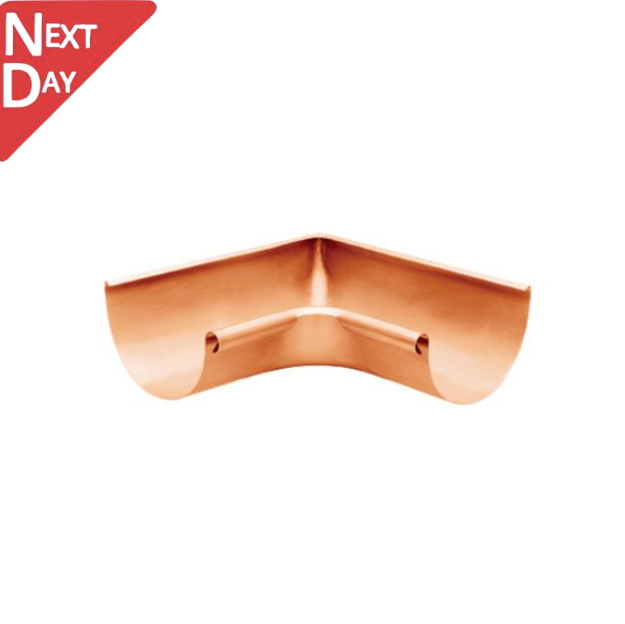
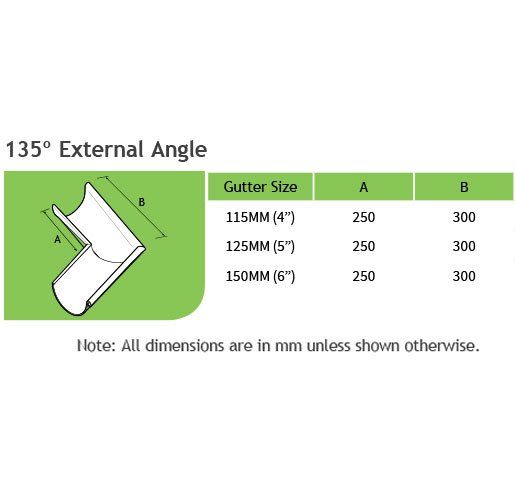
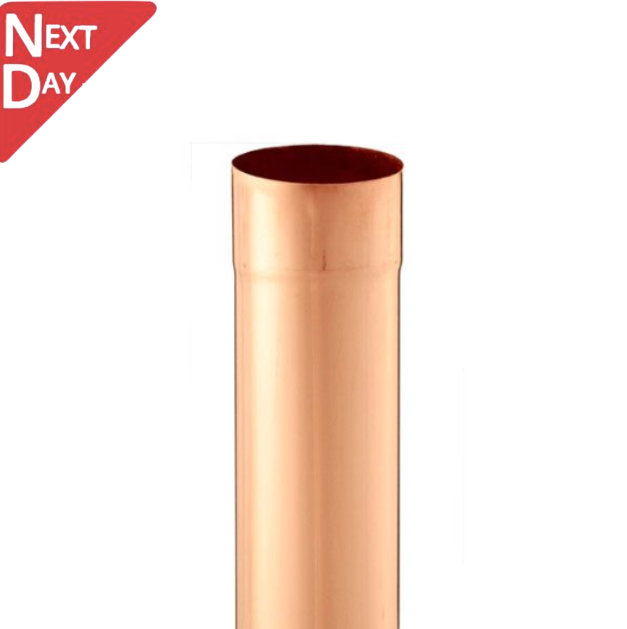
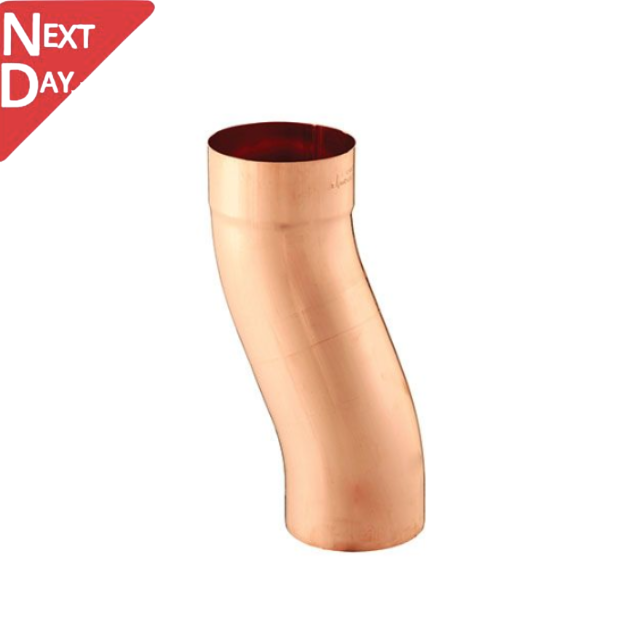
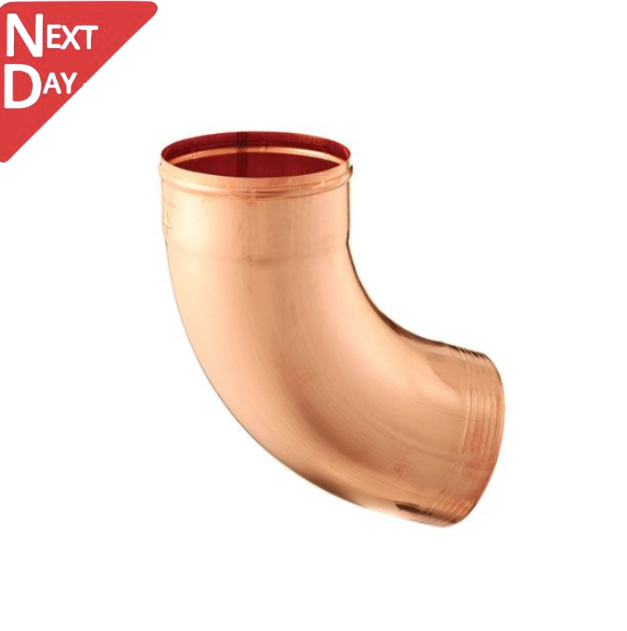
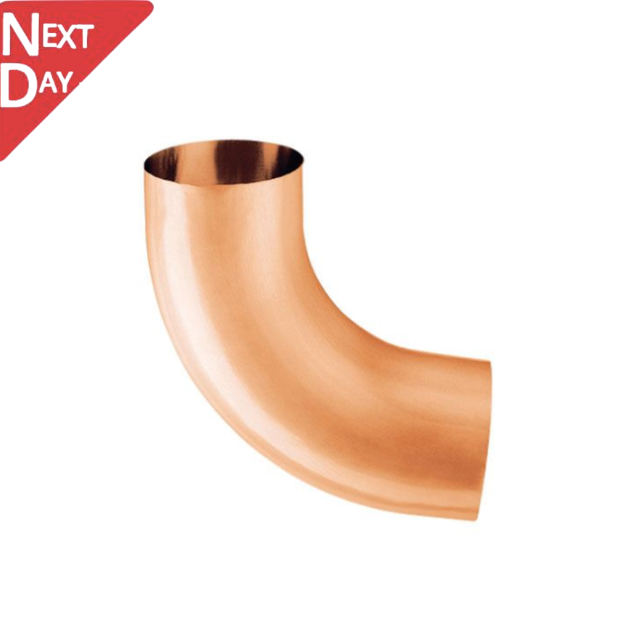
Zambelli makes complete metal rainwater systems, so the gutters, outlets, brackets, unions, bends and downpipes are made to work together. It keeps installation much simpler, especially on longer runs where several different fittings are needed.
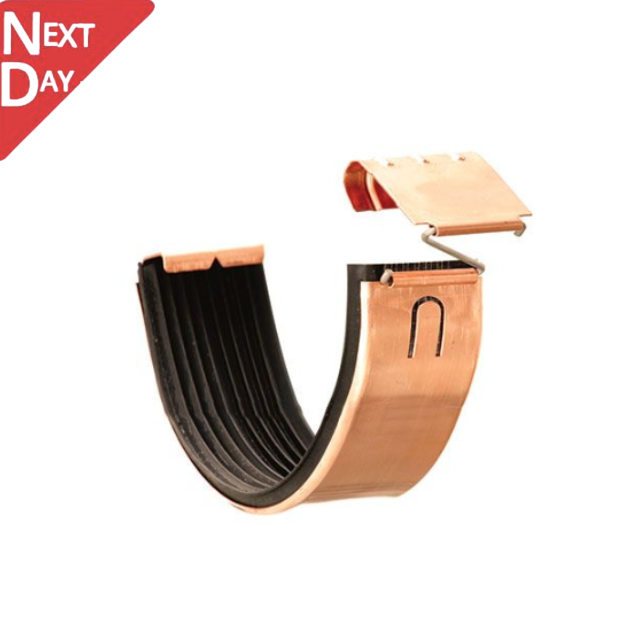
Standard gutter lengths connect using matching unions with seals, so soldering every joint on site isn’t needed. Copper is left unfinished too. It ages naturally outdoors, slowly moving from bright copper through darker brown tones and, over time, developing its familiar patina.
Copper does cost more than steel or plastic. There’s no getting around it. For period homes, listed buildings and higher-end projects though, it gives a finish very few materials can match.
Which Size Copper Guttering Do I Need?
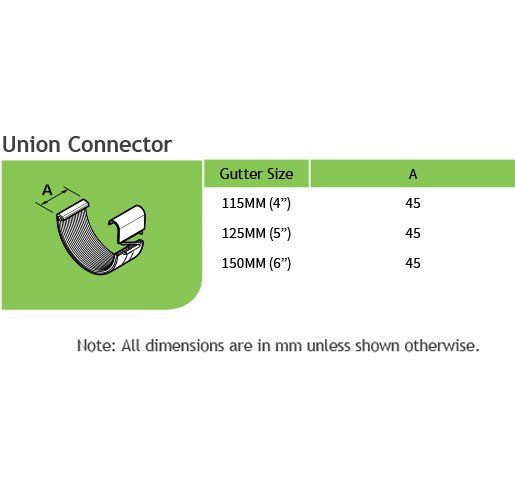
We supply Zambelli half round copper guttering in 115mm, 125mm and 150mm sizes.
The right size comes down to roof area, rainfall, outlet position and downpipe capacity. A small extension won’t need the same system as a large house or commercial roof, so gutter width alone isn’t enough to make the decision.
If you’re unsure, send us your roof dimensions and planned outlet positions. We can help work through the most suitable gutter and downpipe combination before you order.
How Is Zambelli Copper Guttering Installed?
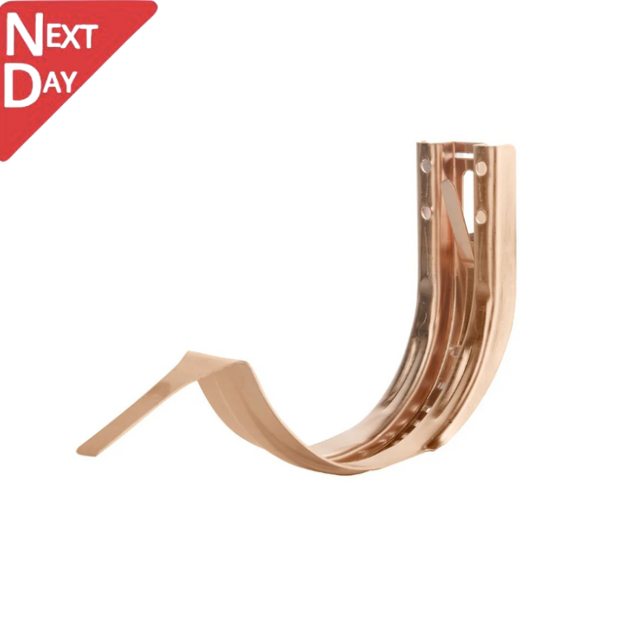
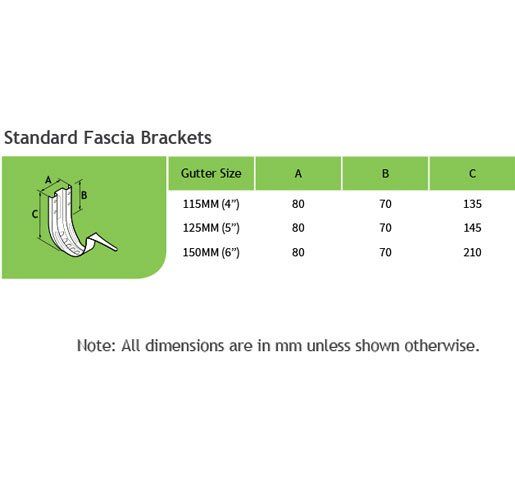
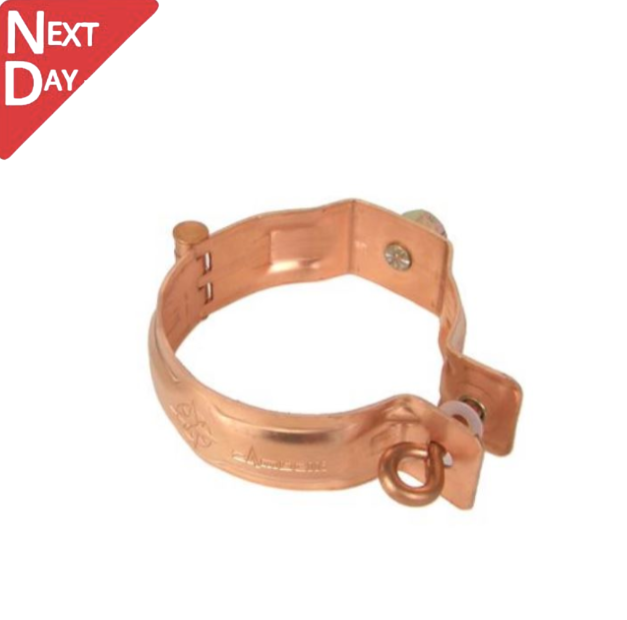
The brackets are set out first, with Zambelli specifying a maximum gutter-hook spacing of 900mm. A slight fall should run towards the outlet so water drains properly.
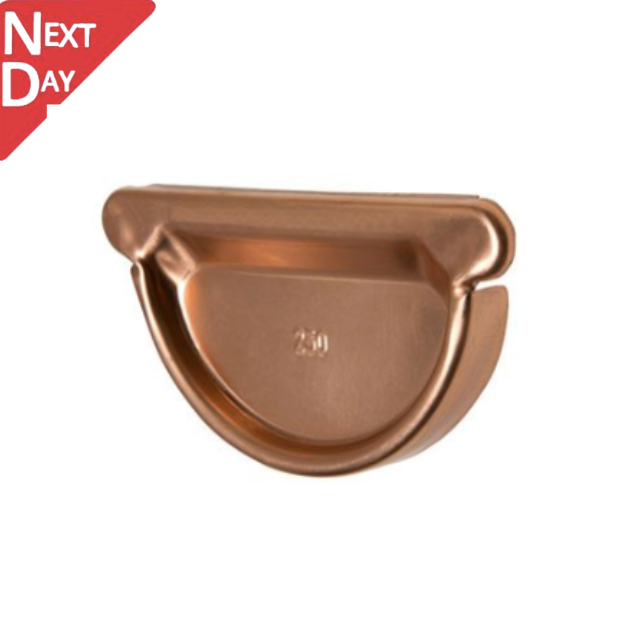
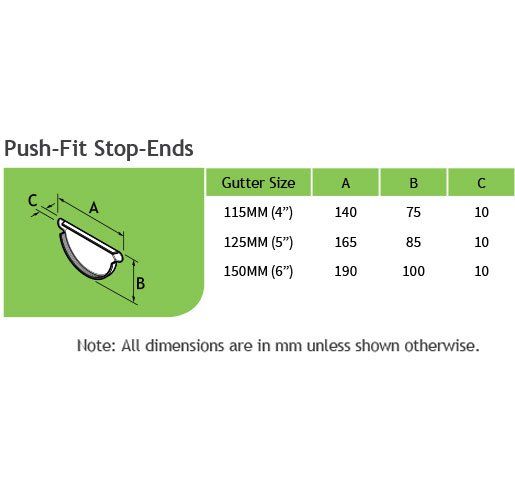
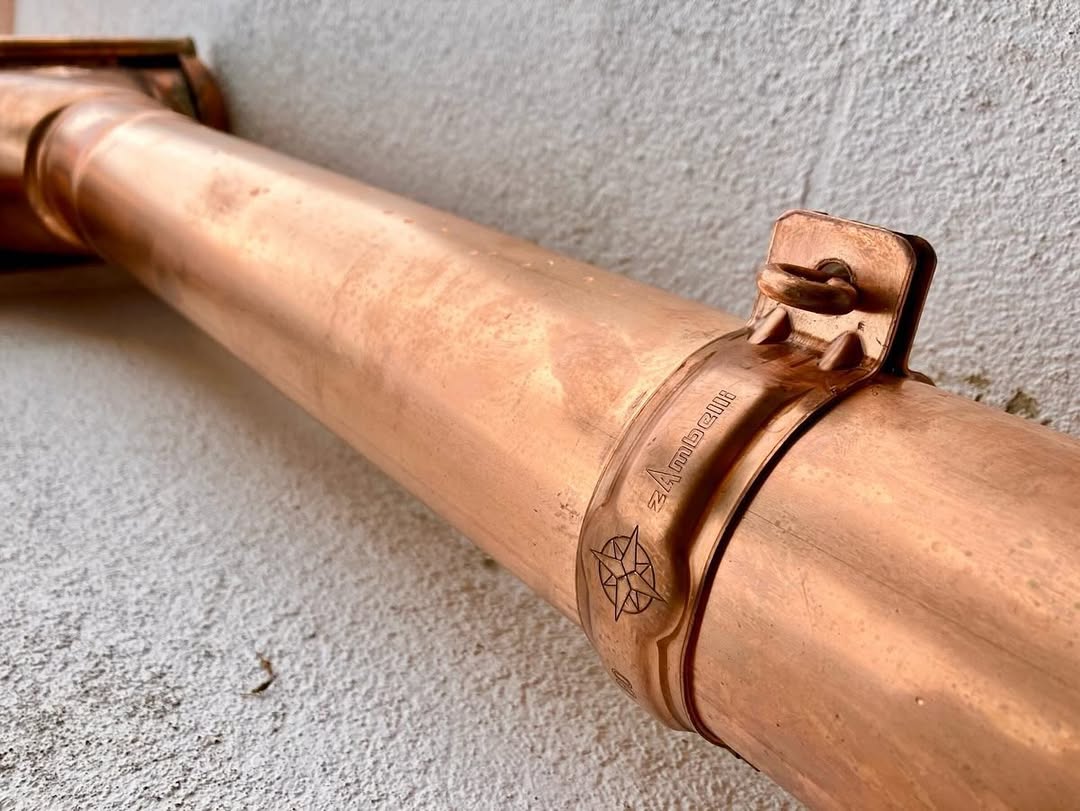
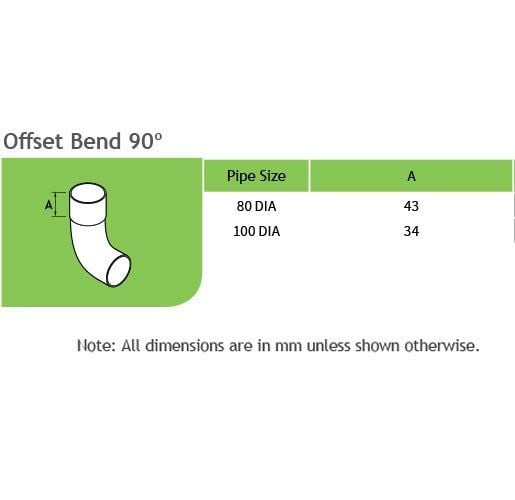
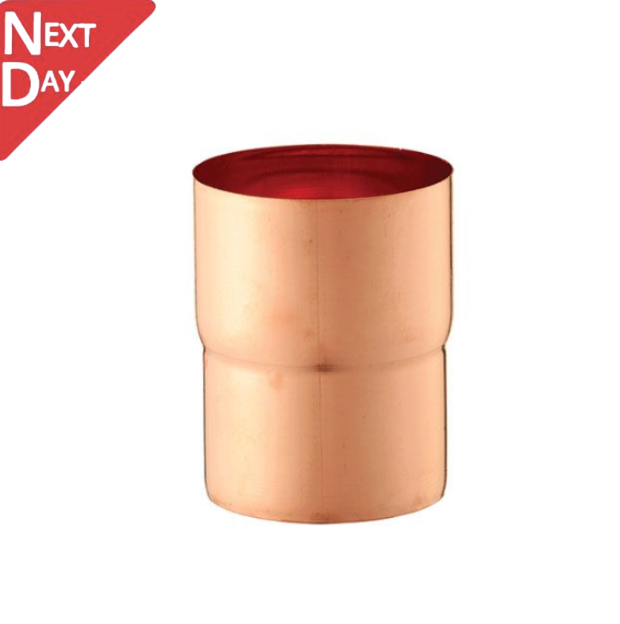
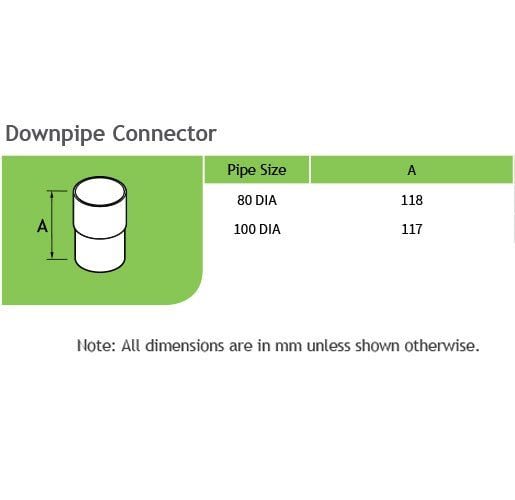
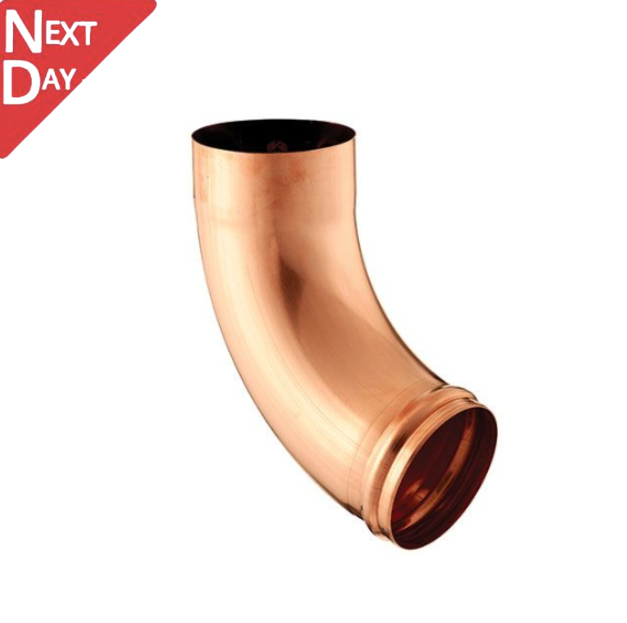
Gutter lengths are joined using matching connectors, with stop ends, outlets and corners added where needed. Downpipes are built up from bends, straight lengths and wall brackets.
Take a bit of time setting everything out before cutting. Copper is expensive material, so mistakes get costly pretty quickly. See the installation guide here.
How Does Copper Guttering Change Colour?
Fresh copper starts bright and fairly shiny. Exposure to air and rain gradually changes the surface, usually moving through darker brown shades before a green-blue patina can develop.
There isn’t a fixed timescale. Location, weather and exposure each affect how quickly the colour changes.
For many customers, this ageing process is part of the appeal. If you want guttering which stays exactly the same colour for years, copper probably isn’t the best option.
What Metals Can Copper Guttering Be Used With?
Copper needs a little more care around neighbouring metals.
Zambelli lists copper as suitable alongside lead and stainless steel, but direct contact with aluminium, galvanised steel or zinc should be avoided. Roof coverings, flashings, fixings and rainwater run-off can each matter here.
If your roof uses zinc, aluminium or galvanised steel, send us the roof specification before ordering. It’s much easier to check compatibility first: info@tradewarehouse.co.uk.
How Long Does Copper Guttering Last?
Copper is one of the longest-lived materials used for rainwater systems. A properly installed system can stay in service for many decades, with considerably longer lifespans possible in good conditions.
It doesn’t rely on a painted decorative finish either. The surface simply changes naturally as the copper ages.
Installation quality, local exposure and contact with other metals can still affect service life, so there isn’t one honest lifespan figure for every property.