




Find The Right Composite Cladding For Your Project
There is no single finish that suits every building. A garden room might look best with deep slatted lines, while a house extension may call for a cleaner woodgrain or smooth board. So, rather than making you hunt through dozens of near-identical products, we’ve made it easy to narrow the range down by the look you want to achieve.
Smooth And Woodgrain Wall Cladding
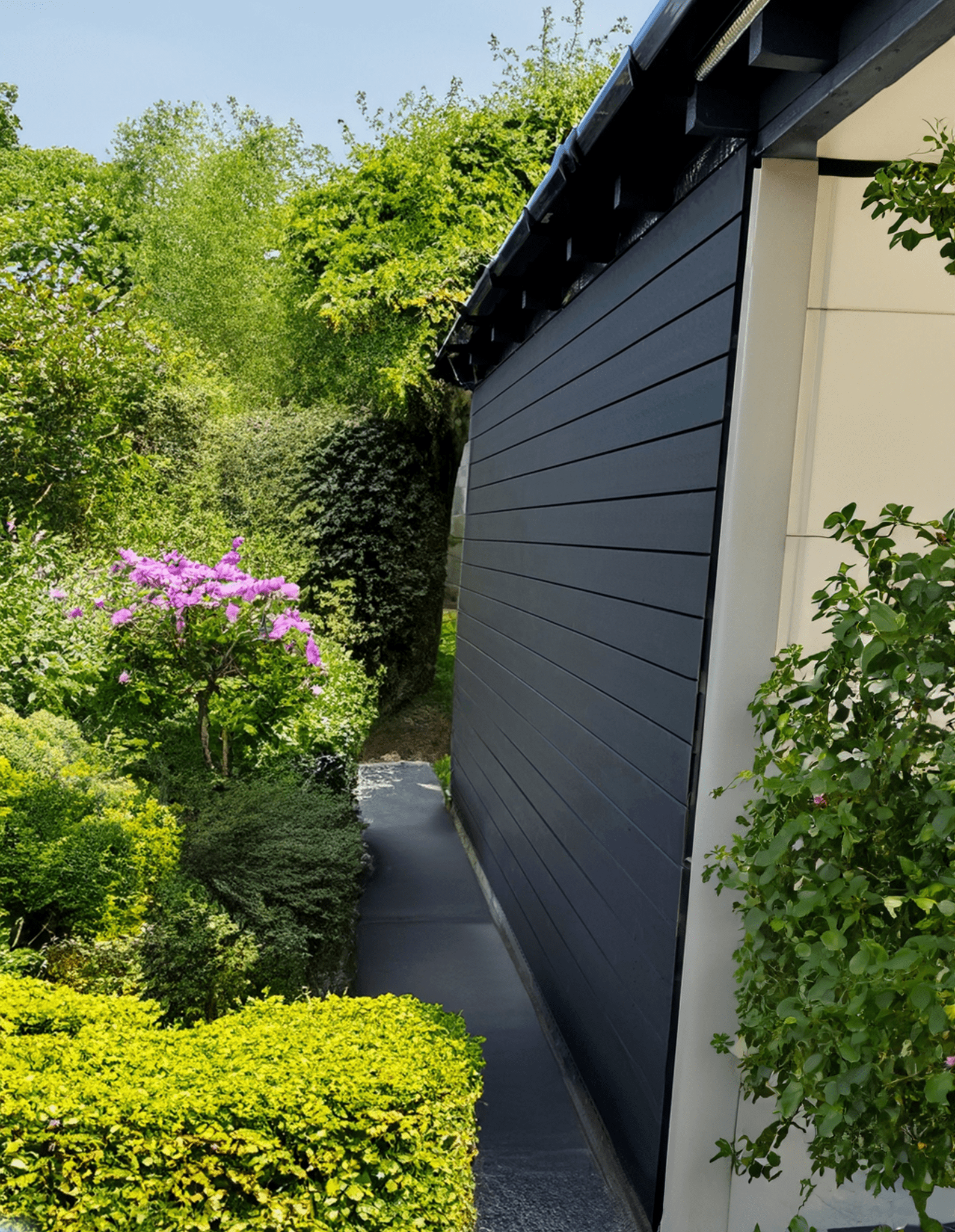
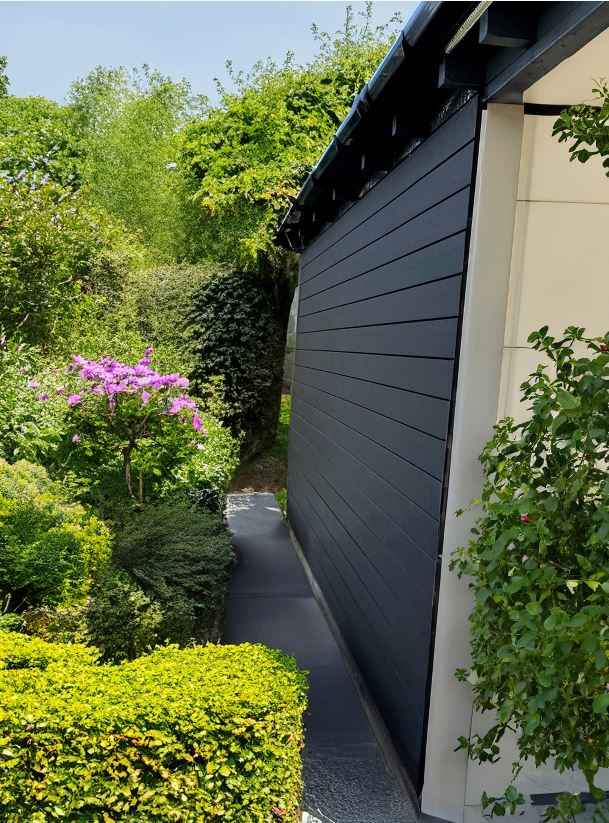
For a clean, contemporary elevation, our 3.6m smooth click cladding boards create crisp lines and a uniform finish. The interlocking profile helps adjoining boards sit neatly together, while the option to run the boards horizontally or vertically gives you more freedom over the final design.
If you like the warmth of timber but would rather avoid the regular upkeep, take a look at our woodgrain wall cladding. The textured surface brings more character to an exterior wall, making this style particularly well suited to garden offices, extensions, outbuildings and house façades.
Slatted And Shiplap Cladding
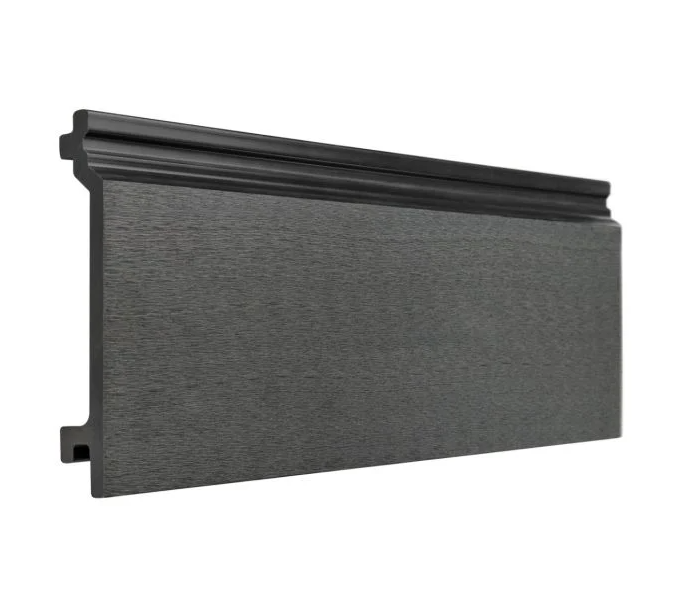
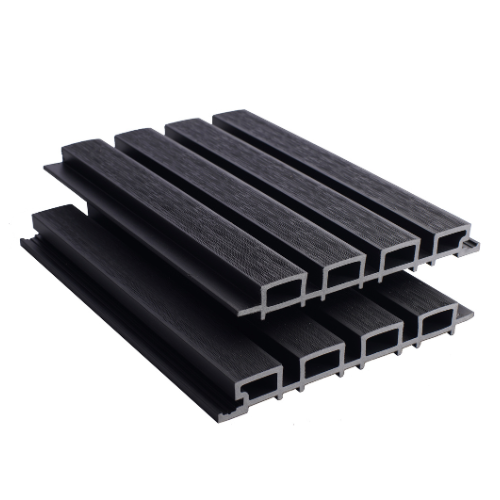
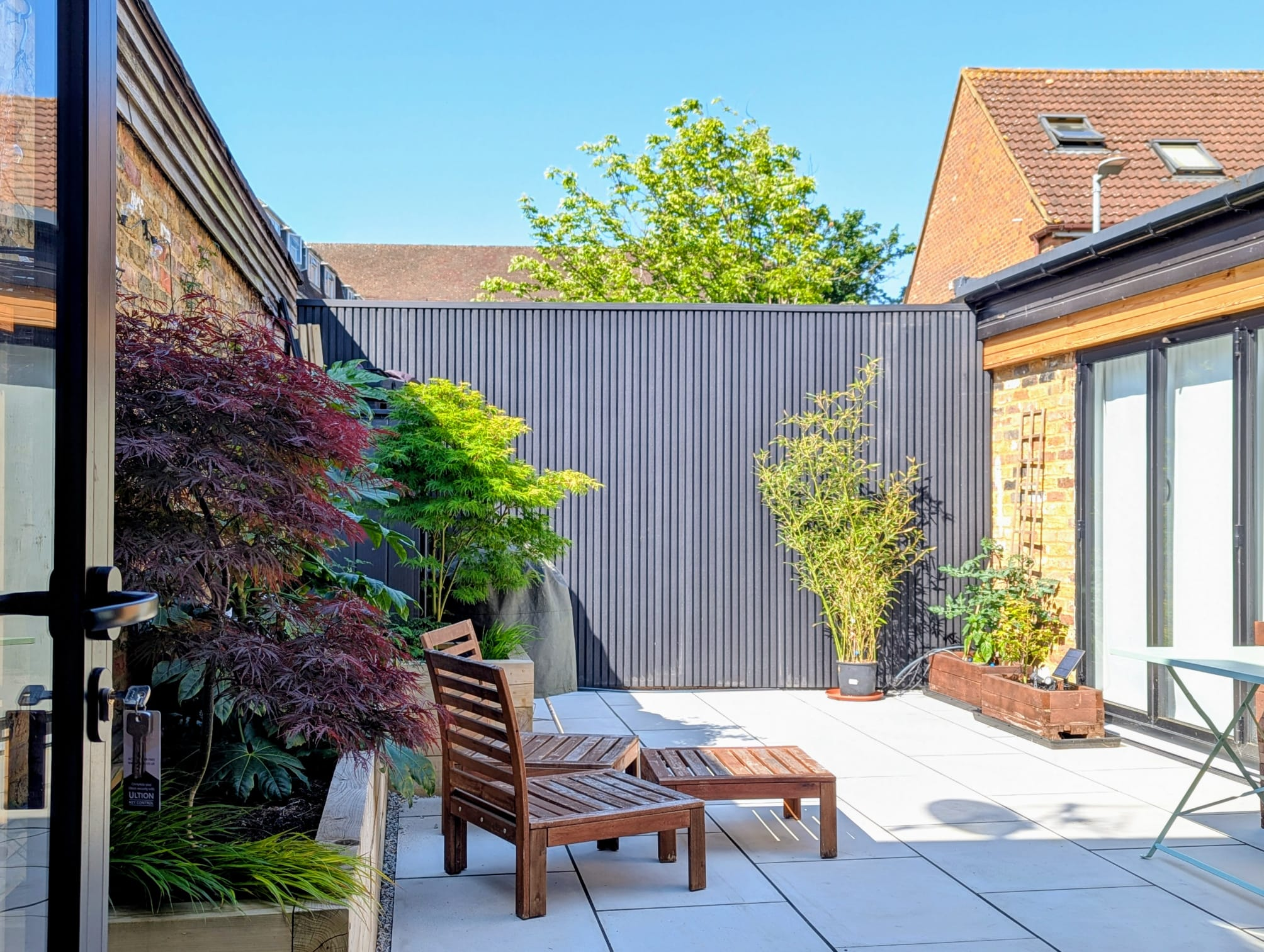
Want something with a little more depth? Slatted wall cladding creates strong shadow lines and works brilliantly on modern garden rooms, entrance areas and contemporary façades. Our TRITON slatted panels are capped for added surface protection and can be fitted horizontally or vertically, so you can create two very different looks from the same profile.
Alternatively, browse our TRITON shiplap range for a more traditional overlapping appearance. It is a great middle ground when you want the warmth of a timber-style elevation without the pronounced lines of a slatted panel.
Why Choose Composite Cladding Over Timber?
Timber looks fantastic when it is freshly installed, but keeping it that way takes work. Exterior timber can require periodic staining, sealing or painting, whereas WPC wall boards give you a timber-inspired appearance with considerably less routine upkeep.
That makes composite wall cladding particularly useful on the parts of a property you would rather finish once and enjoy: garden rooms, home offices, extensions, sheds, garages and exterior feature walls. You will still want to clean the surface occasionally, but there is no regular sanding and repainting regime to worry about.
Low-Maintenance Exterior Wall Cladding
For everyday care, a gentle clean is normally all that is required. Dirt and general marks can usually be tackled with warm soapy water and a soft brush or cloth, although you should always follow the care instructions supplied for the particular board you choose.
Want to know a little more before ordering? We’ve put together a full cladding maintenance guide covering routine cleaning, stains, water marks and the differences between caring for capped and uncapped boards.
Choose The Colour And Finish Before You Commit
A cladding colour can look surprisingly different across a full elevation than it does on a screen. Natural light, neighbouring brickwork and even the direction in which the boards run can change how the finished wall looks.
That is exactly why we recommend ordering a free cladding sample if you are deciding between colours or profiles. Put the samples against the actual wall, look at them outside and compare smooth, woodgrain and slatted finishes properly before placing the full order. It is a small step, but it can make choosing exterior composite cladding much easier.
Everything You Need For A Proper Cladding Installation
The boards are only one part of the job. A tidy finished elevation also depends on the correct subframe, starting detail, corners, finishing profiles and fixings. Getting those pieces sorted at the ordering stage makes installation much easier and avoids reaching the end of a wall only to discover an exposed edge has nowhere neat to finish.
Battens, Starter Strips, Trims And Fixings
Start by checking the installation instructions for the profile you are buying, as batten spacing and fixing requirements can vary between systems. You can then shop our decking and cladding accessories, starter strips and cladding trims to put together the rest of the system.
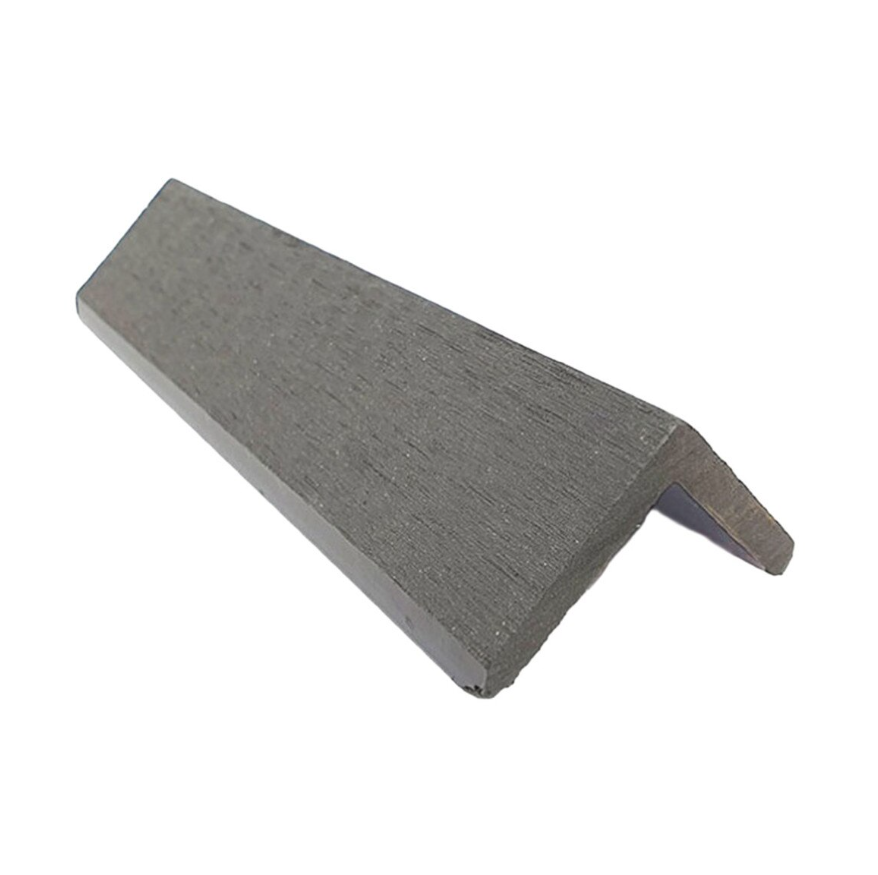
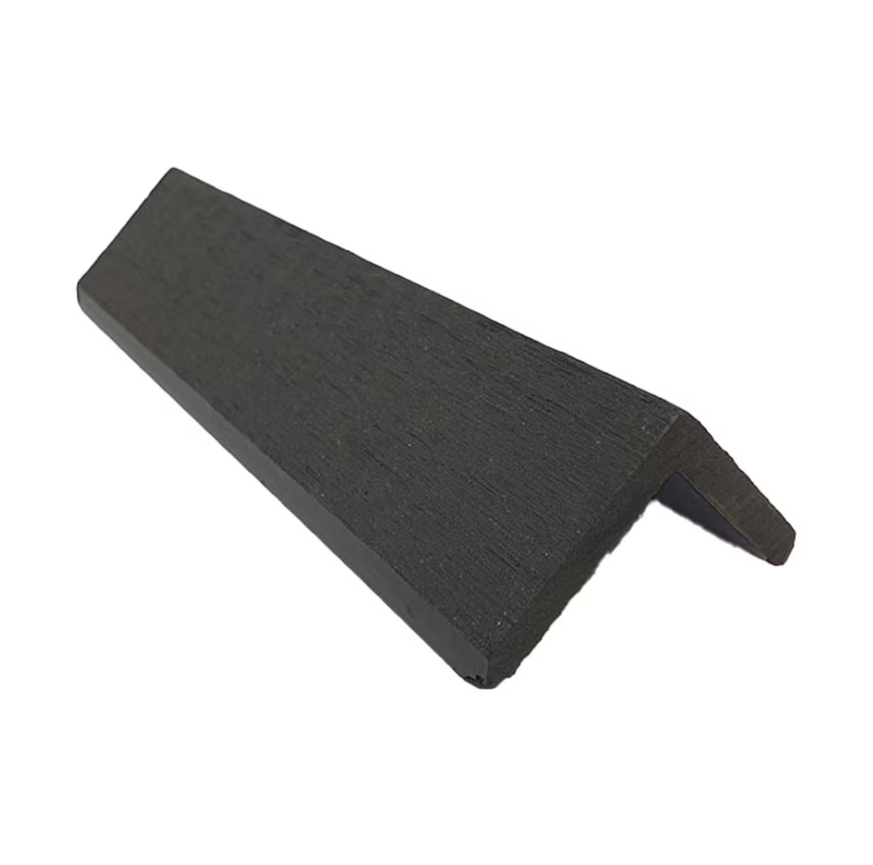
Corners deserve particular attention. A matching corner or edge profile conceals cut ends and gives the elevation a much more deliberate finish, especially around returns, windows and door openings. If you are covering several walls, work these details out before calculating your final board quantity.
Installing Cladding Over Brick
Working with an existing brick wall? Don't simply screw the boards straight into the masonry. A suitable batten framework provides a straight fixing surface and creates the ventilation cavity behind the finished cladding. The exact construction and spacing will depend on the board and wall, so always work from the relevant installation instructions.
We’ve covered the process in much more detail in our guide to installing cladding over brick. If you are doing the work yourself, our guide on how to cut cladding boards is worth reading too, with practical advice on blades, saws and getting cleaner cuts on site.
Why Buy From Trade Warehouse?
Buying cladding online shouldn't mean guessing your way through the order. Alongside the boards themselves, we stock the profiles and accessories needed to finish the job, while our wider cladding boards range makes it easy to compare different exterior wall systems if your project or specification changes.
We supply homeowners, installers and trade customers throughout the UK, and we’re happy to help when a project needs more than simply adding a few boards to the basket. If you're still deciding between manufacturers and systems, our UK cladding supplier comparison also explains some of the differences worth looking at before you choose.
Free Samples And Help Planning Your Order
Unsure how many boards, trims or finishing pieces you need? Send your dimensions or drawings to the Trade Warehouse team and we can help you work through the products required for the project. For colour and texture, start with our free sample service so you can see the material in person before placing the full order.
You can also browse our composite guides for practical advice on fading, cleaning, fixings, membranes and maintenance. These guides answer the questions that tend to crop up once you move from choosing a colour to actually planning the installation.
See Your Cladding Before You Commit
Choosing cladding online isn’t always easy. Colours and textures can look very different on a screen, especially when you’re trying to picture an entire house, extension or garden room.
That’s why we offer free cladding samples across many of our ranges. Compare the colours outside, hold them against your existing brickwork or render, and see the surface finish properly before ordering the full project.
Still deciding between smooth, woodgrain and slatted boards? Our team can also help you compare the options and find the right finish for the look you’re trying to create.
Quality Cladding, Without The Timber Upkeep
A good exterior finish should still look smart years after installation. That’s why our composite cladding range focuses on durable, low-maintenance boards designed for outdoor use.
Unlike traditional timber, composite boards do not need the same routine sanding, staining or painting. Simply choose the profile and colour that suits your project, then use the correct cladding trims and accessories to give corners, edges and openings a properly finished appearance.
Different boards have different constructions, warranties and performance characteristics, so check the individual product specification before ordering. If you need a hand working out which system suits your project, just send us your dimensions or drawings.
Frequently Asked Questions
What Is Composite Cladding Made From?
Most composite wall cladding is made from a blend of wood fibres and polymer material, creating an exterior board that combines a timber-inspired appearance with lower maintenance requirements. However, the exact construction varies between ranges. Some boards are also capped, meaning they have an additional protective outer layer designed to improve resistance to staining and weathering. Check the individual product specification for the exact construction of the board you are considering.
Can Composite Cladding Be Installed Horizontally Or Vertically?
Many of our composite cladding boards can be fitted horizontally or vertically, giving you plenty of freedom over the finished look. A horizontal layout tends to create a wider, more traditional appearance, while vertical boards can make an elevation feel taller and more contemporary.
Installation requirements vary between systems, though, so always check the instructions for the specific board before positioning your battens.
Can Composite Cladding Be Fitted Over Brick?
Yes. Composite cladding can be installed over an existing brick wall, but the boards should normally be fixed to a suitable batten framework rather than directly to the masonry. This creates a level fixing surface and allows the required cavity behind the cladding.
Our guide to installing composite cladding over brick explains the process in more detail.
How Much Composite Cladding Do I Need?
Start by measuring the width and height of each wall to calculate the area you need to cover. You can then use the installed coverage of your chosen board to work out the required quantity, allowing additional material for cuts and reasonable wastage.
Remember that windows, doors, corners and complicated elevations can affect the calculation. If you're unsure, send us your dimensions or drawings and we can help you work through the boards and finishing pieces required.
Does Composite Cladding Fade Over Time?
Some colour change can occur as exterior materials are exposed to sunlight and weather, although the amount varies between products. Traditional uncapped WPC boards can weather more noticeably during their early life, while capped composite boards generally provide greater protection against fading and staining.
For that reason, it's best to check the specification of the particular range you're buying rather than assuming every composite board will perform in exactly the same way.
Is Composite Cladding Easy To Maintain?
Yes. One of the main attractions of composite cladding is that it requires considerably less routine maintenance than traditional timber. There is normally no need for regular sanding, staining or painting.
Occasional cleaning with warm soapy water and a soft brush or cloth will deal with most everyday dirt. For more advice, see our complete composite cladding maintenance guide
Is Composite Cladding Suitable For Garden Rooms And Extensions?
Yes. Composite cladding is particularly popular for garden rooms, home offices, extensions, garages and other exterior feature walls because it provides a contemporary finish without the regular repainting associated with timber.
You can choose from smoother profiles, timber-style woodgrain boards and more architectural composite slatted cladding, depending on the style of the building.
Is Composite Cladding Waterproof?
Composite boards are designed for exterior use and cope well with normal exposure to rain and changing weather. However, the cladding itself should not be treated as the sole waterproofing layer of the building. The complete wall construction, membrane, cavity, flashings and detailing all play a part in managing moisture.
Always follow the installation requirements for the particular cladding system and the wall construction behind it.
Can I email you with my requirements?
Yes – please feel free to drop us an email: info@tradewarehouse.co.uk.
Can I return my product?
We always aim for make sure our customers love our products, but if you do need to return an order, we’re happy to help. There are certain conditions for returns.
Please email us directly and we’ll take you through the process. Please note not all orders can be refunded, so it's important that you read our full guidance here.
If we still haven't answered your question above, you can contact us below and we will get back to you as soon as possible.


