Traditional Or Modern Aluminium Hoppers?
This is the first decision to make.
The two styles can perform the same basic job — collecting rainwater before directing it into the downpipe below — but visually they are very different.
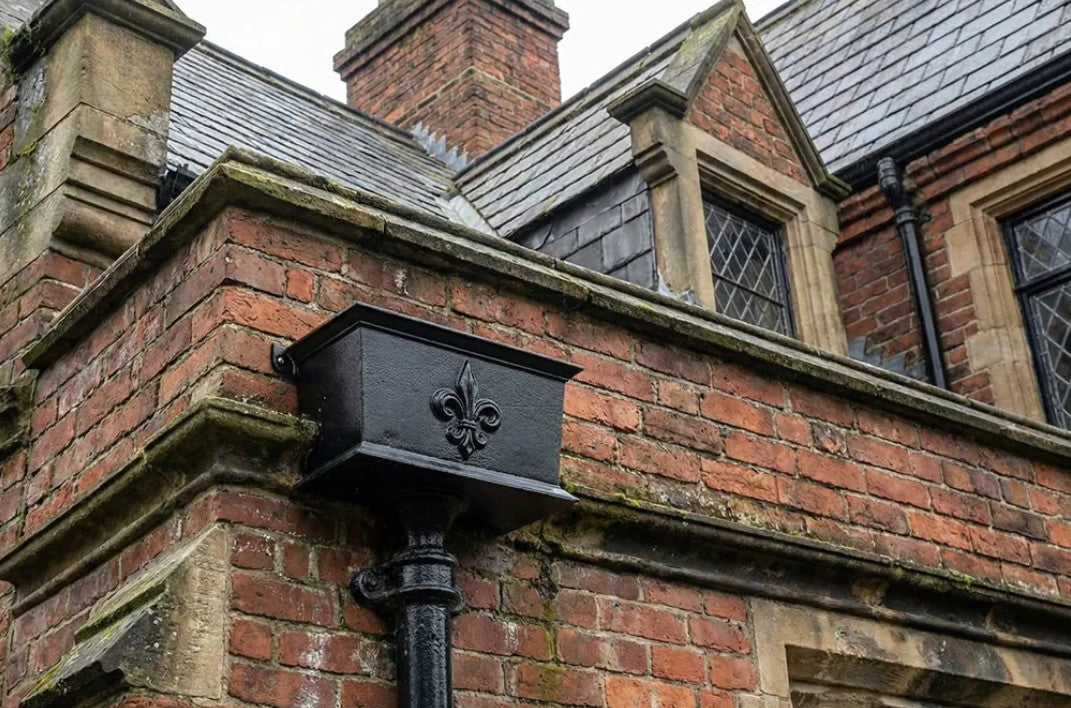
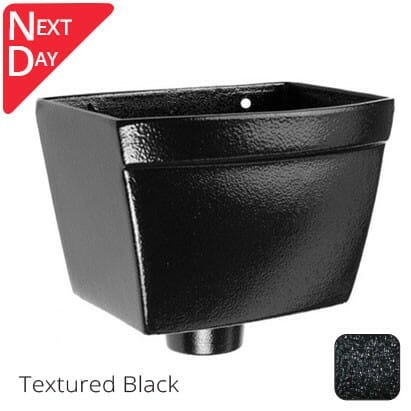
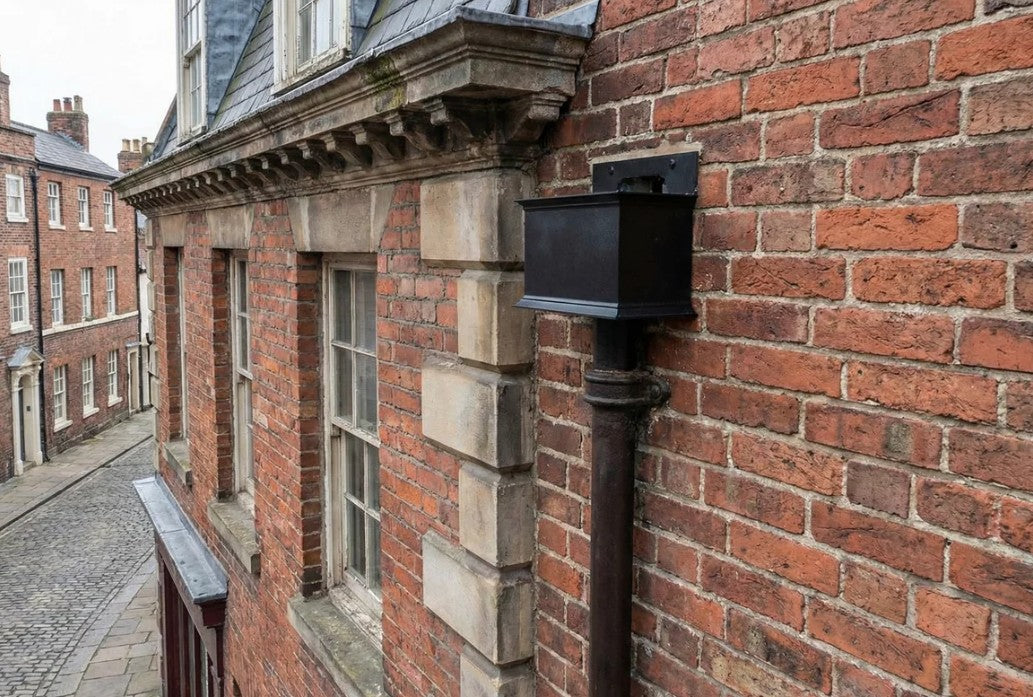
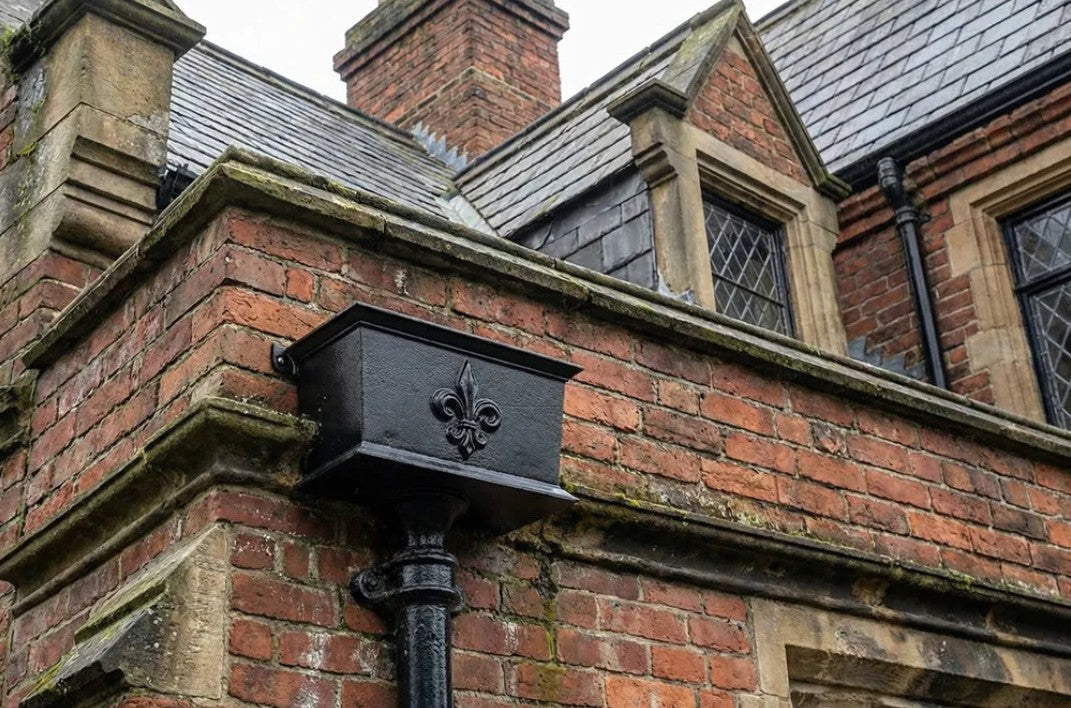
A decorative cast hopper can look completely at home on a Victorian terrace, church or heritage renovation. Put the same design on a minimalist new-build and it may feel out of place.
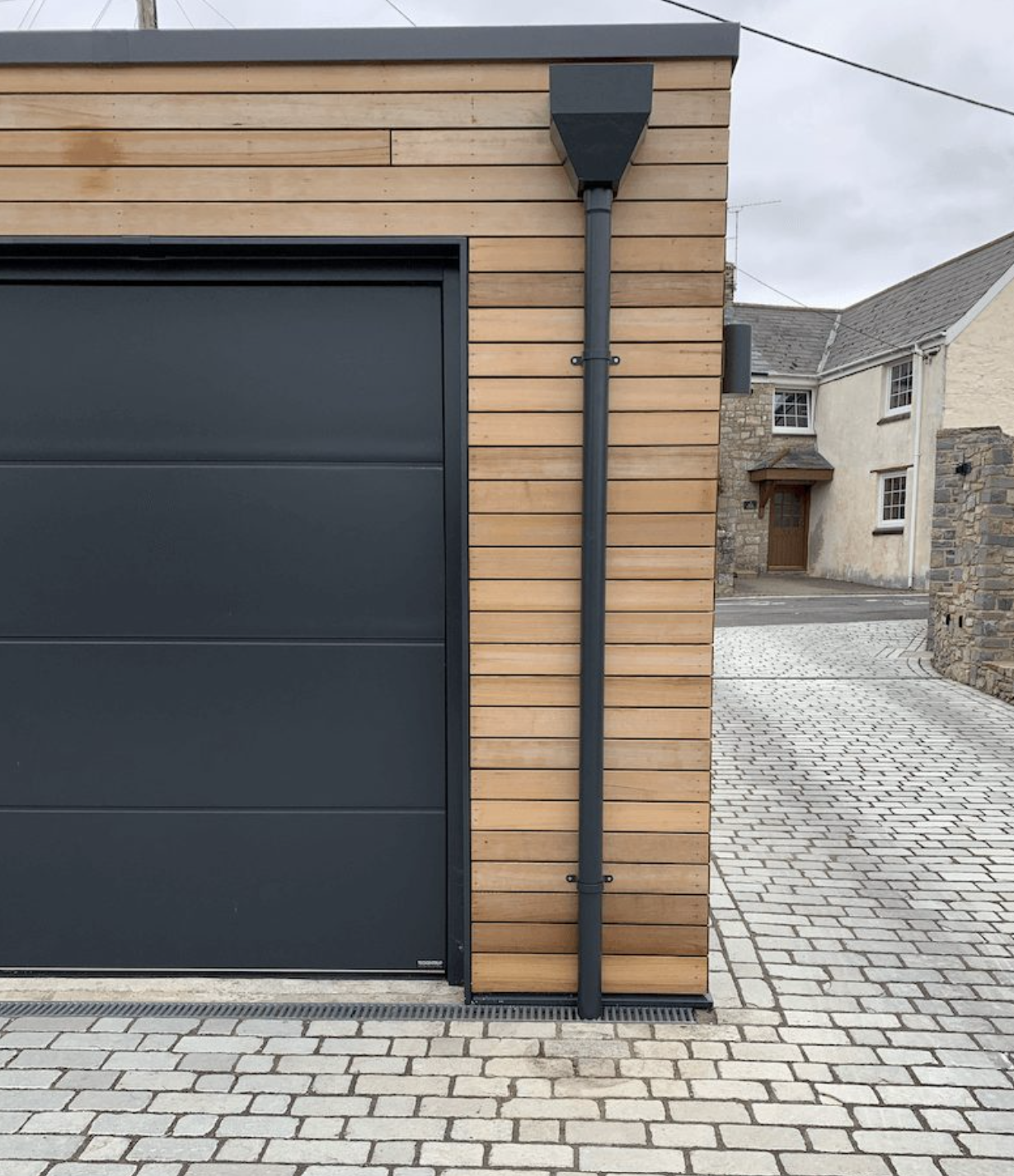
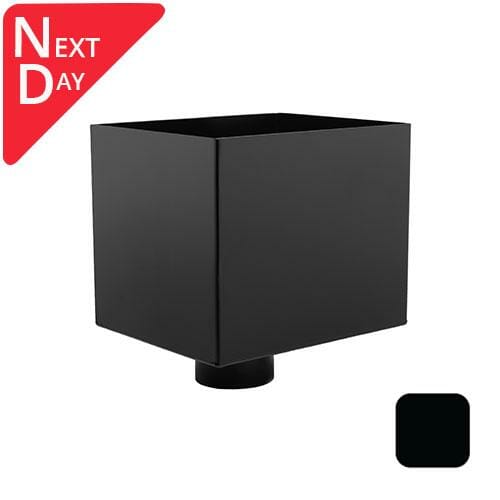
Likewise, a crisp contemporary hopper can work beautifully alongside anthracite windows and modern cladding, but it probably isn’t what you’d choose when replacing an ornate original rainwater head.
Cast Aluminium Hopper Heads
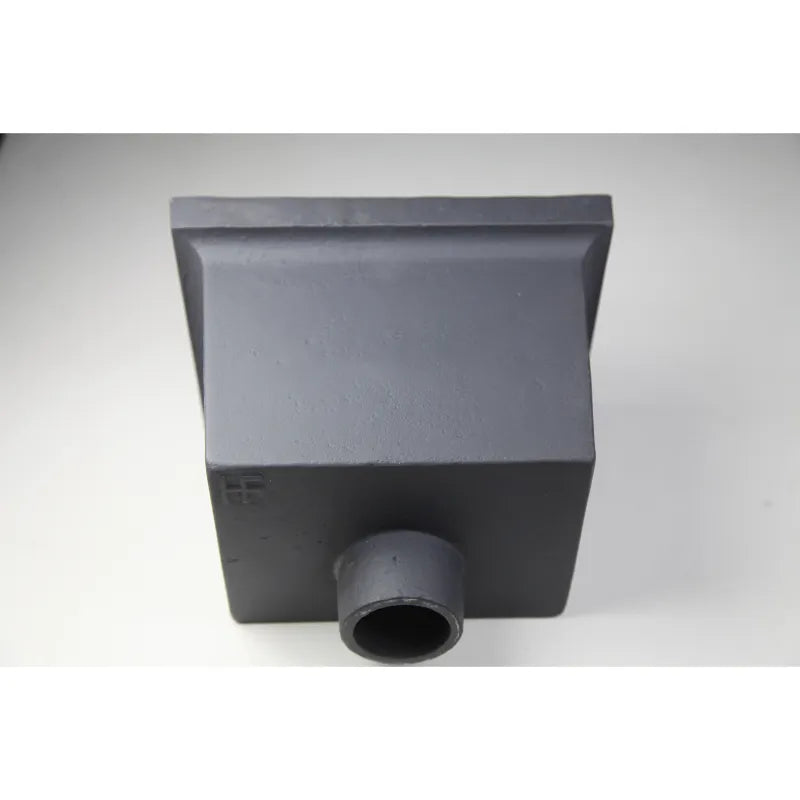
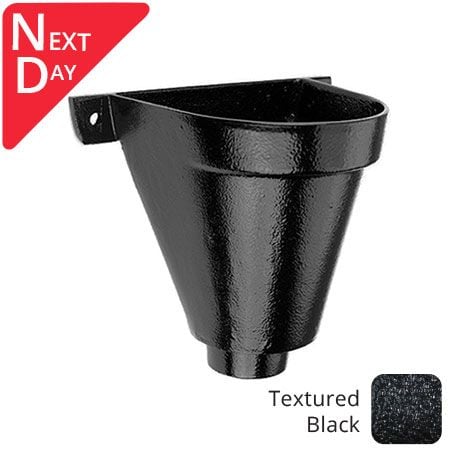
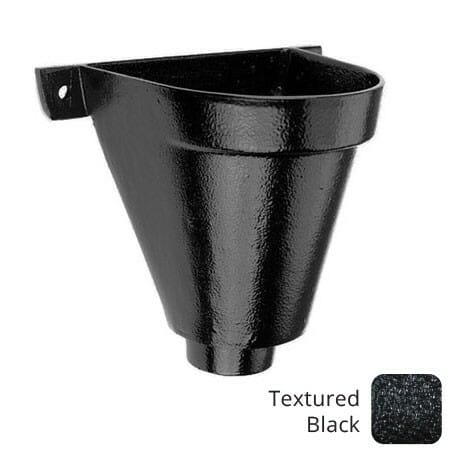
Our cast aluminium hoppers are the place to start when you want the character of traditional rainwater goods without choosing cast iron. They match the aluminium guttering too.
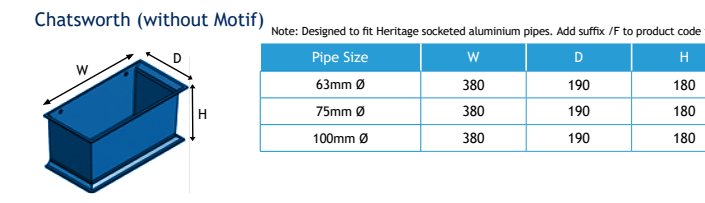
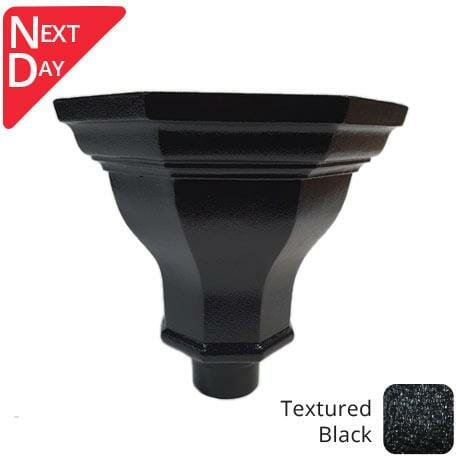
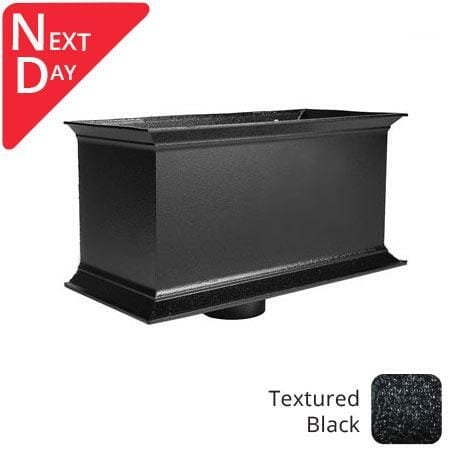
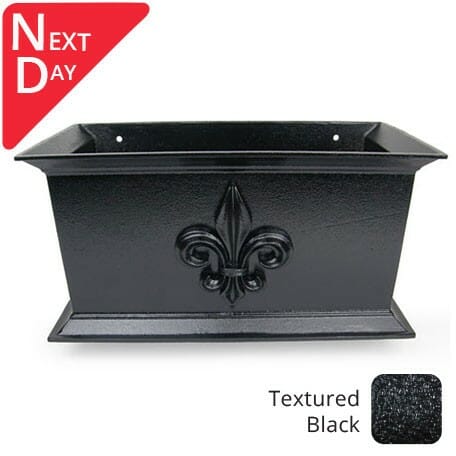
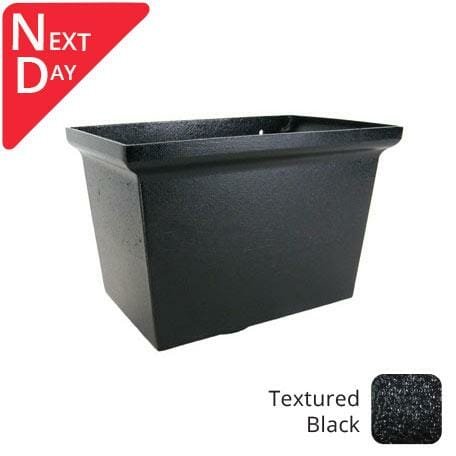
The range includes simple flat-back and rectangular styles alongside fluted, corner and more ornamental designs. That makes them particularly useful for period homes, conservation-style projects and renovations where the hopper remains a visible architectural detail.
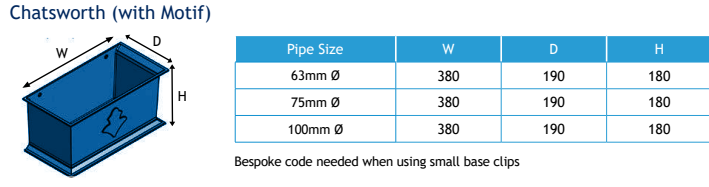
Some of the more decorative heritage aluminium hoppers feature traditional motifs and deeper profiles, while simpler designs give you the same substantial cast appearance without becoming the focal point of the elevation.
Cast aluminium is also considerably lighter than cast iron, which can make handling and installation more straightforward while retaining a traditional metal finish.
Modern Aluminium Hopper Heads
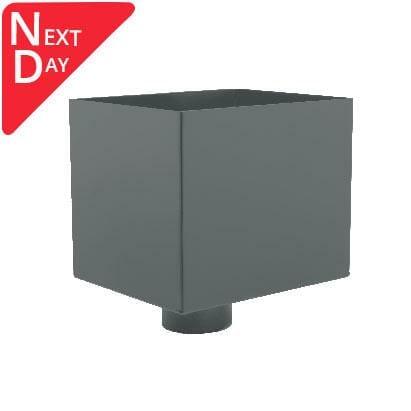
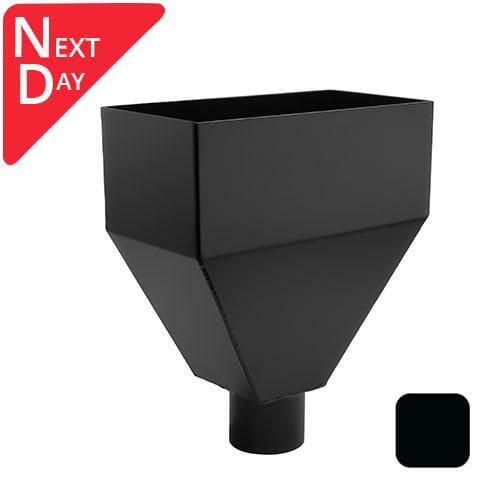
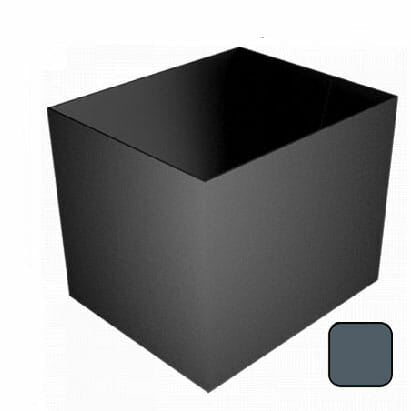
Prefer clean lines? Our modern aluminium hoppers have a very different look.
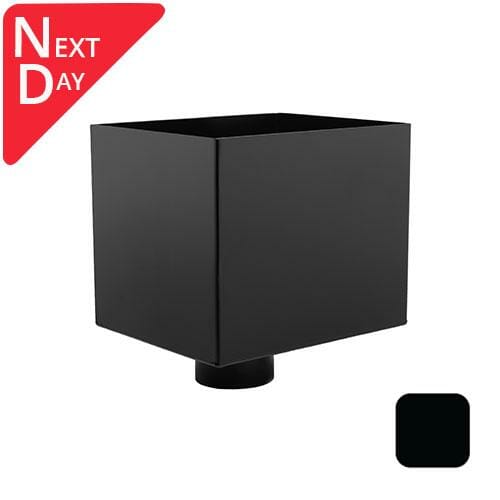
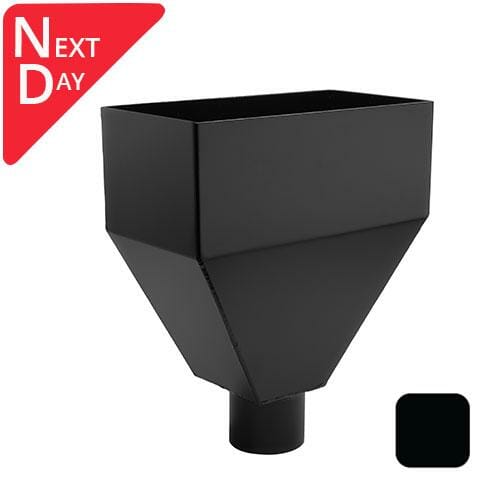
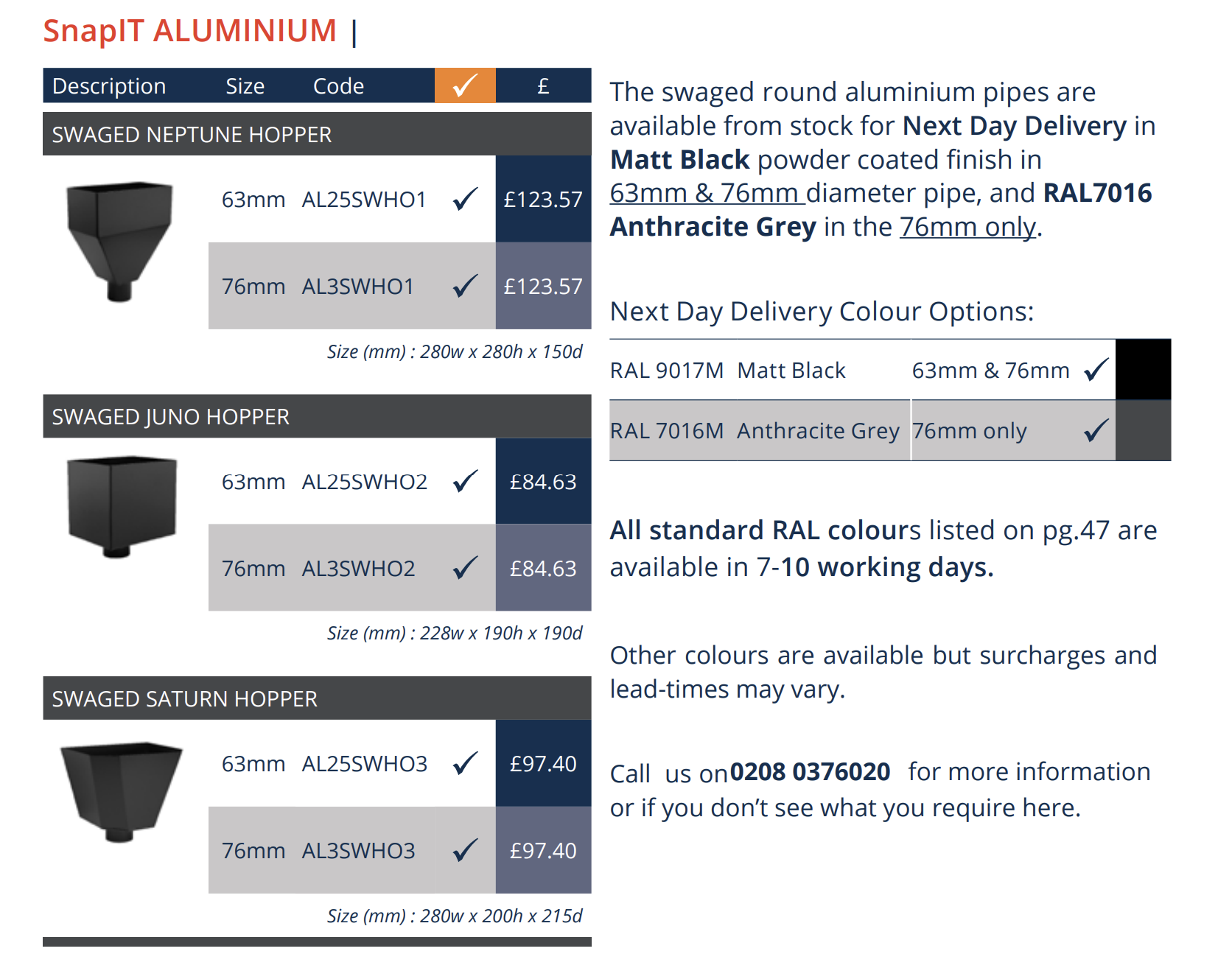
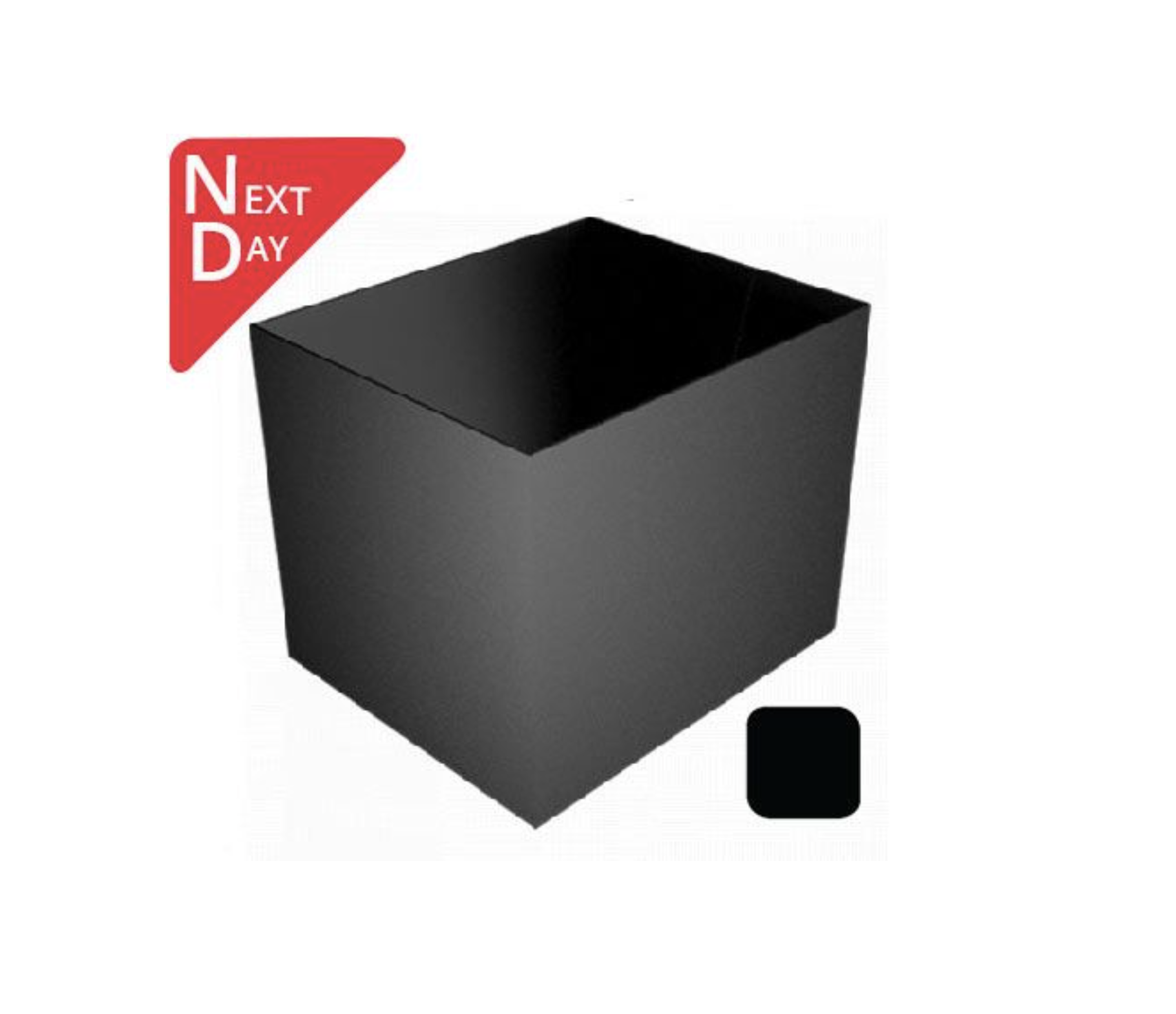
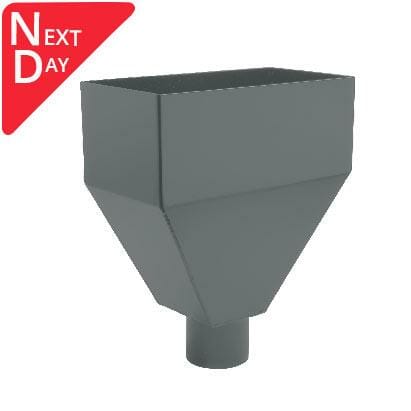
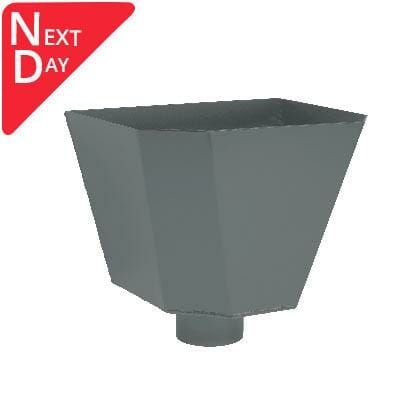
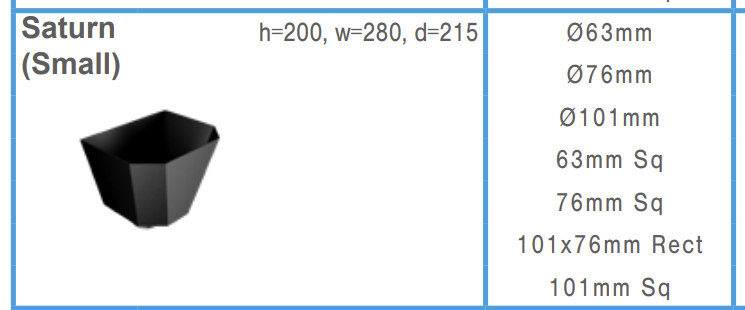
These contemporary aluminium hopper heads use simpler geometric forms that work particularly well with modern extensions, rendered façades, aluminium windows and contemporary guttering.
They are a good choice when you want the rainwater system to look intentional without introducing ornate detailing.
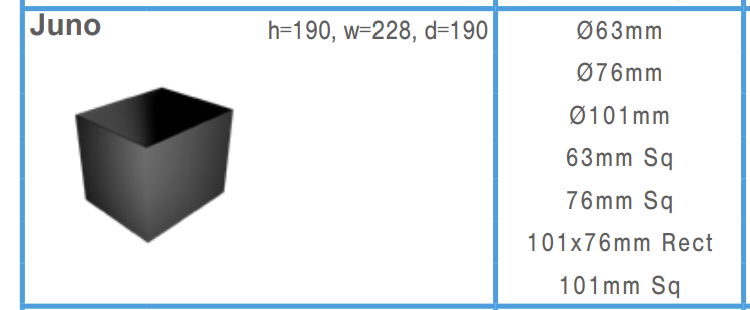
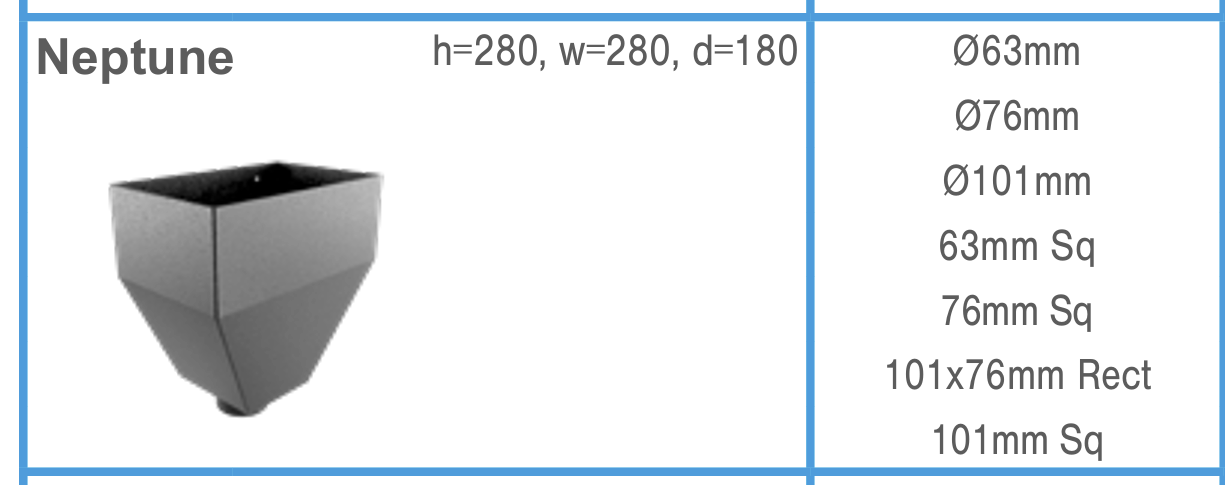
The modern range also includes options with both round and square outlets, making it easier to continue the same contemporary style into the downpipe beneath the hopper.
Which Aluminium Hopper Outlet Do I Need?
Appearance matters, but the outlet underneath the hopper matters even more.
Before buying, check the size and profile of the downpipe you intend to connect.
Depending on the range, you’ll find hoppers designed for common round pipe sizes as well as square or rectangular rainwater pipes. The key point is simple: choose the hopper to suit the downpipe, not the other way around.
If you're replacing an existing system, measure the pipe body rather than assuming the size from how large the hopper looks above it.
Round Or Square Outlet?
Round outlets suit traditional round downpipes and are available across both heritage and contemporary systems.
Square and rectangular outlets create a sharper appearance and often make more sense where the rest of the building already uses straight-lined rainwater goods.
The profile matters as much as the nominal size. A round outlet cannot simply be connected neatly into a square pipe because the dimensions appear similar on paper.
Plan the hopper, outlet and downpipe as one system before ordering.
Flat Back, Corner Or Decorative?
The position of the rainwater head on the building can quickly narrow down your options.
Flat Back Hoppers
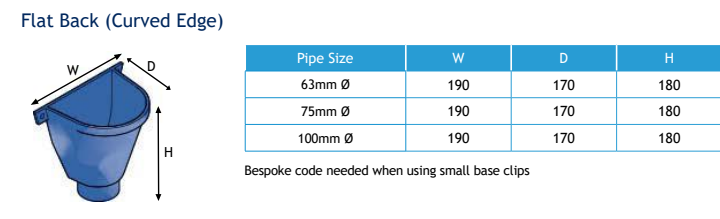
A flat-back hopper sits neatly against a straight wall and works for many conventional drainage arrangements.
These are among the easiest designs to specify when an outlet drops directly against the face of a building. They also come in both understated and decorative styles, so a flat back doesn’t automatically mean a plain hopper.
Corner Hoppers
If your drainage point sits at the corner of a property, a dedicated corner hopper will usually give you a much cleaner result than trying to adapt a conventional wall-mounted design.
This is particularly relevant on older properties where roof geometry and architectural detailing can create less straightforward rainwater routes.
Ornamental Aluminium Hoppers
For buildings where the rainwater goods form part of the architecture, ornamental aluminium hoppers can add considerably more character.
Traditional fluting, decorative motifs and larger hopper proportions work especially well on heritage-style elevations. They can also provide a visually lighter alternative to cast iron while retaining a traditional appearance.
If the hopper is going somewhere prominent, take a moment to consider its proportions against the building. A larger decorative head can look fantastic on a substantial façade but may overwhelm a narrow elevation.
Colours And Powder-Coated Finishes
Colour can completely change how an aluminium rainwater system feels.
Black remains a natural choice for traditional projects because it recreates the familiar appearance associated with heritage rainwater goods. Anthracite and other greys tend to work particularly well on contemporary buildings.
Depending on the specific range, additional powder-coated finishes may also be available to coordinate the hopper with guttering, downpipes, windows or other exterior metalwork.
If you're specifying a particular colour across a larger project, check the finish availability and lead time before ordering the full system.
Traditional Doesn't Have To Mean Black
One advantage of aluminium is the flexibility of the finish.
A cast-style hopper can retain its traditional shape while being finished in a colour that suits the rest of the building. Likewise, a modern hopper doesn’t automatically need to be anthracite.
Think about the whole elevation rather than treating the hopper as an isolated fitting.
Matching Your Hopper To The Rest Of The Rainwater System
An aluminium rainwater head normally looks best when the components around it feel like they belong together.
That means considering the gutter above, the outlet into the hopper and the downpipe below before you place the order.
For heritage projects, traditional cast-style gutters and downpipes can create a coordinated alternative to cast iron. On contemporary buildings, cleaner aluminium profiles keep the rainwater goods consistent with the sharper lines of the architecture.
If you're still comparing materials rather than committed to aluminium, our wider rainwater hoppers range also includes cast iron, zinc, copper, steel and other metal options.~
Replacing An Existing Aluminium Rainwater Head?
Replacement jobs are often easier if you resist the temptation to identify the product from one photograph alone.
Before ordering, take:
- a clear photograph from the front
- a photograph from the side
- the overall width and height
- the projection from the wall
- the outlet diameter or dimensions
- the profile of the downpipe below
- a photograph showing how water enters the hopper
- details of any decorative pattern or unusual corner position
Send those details to Trade Warehouse if you're unsure. We can help narrow down whether you need a cast or contemporary design and identify the important dimensions before you commit to the order.
Why Choose Aluminium For A Hopper?
Aluminium works particularly well for rainwater goods because it combines the appearance of a proper metal system with relatively low weight.
It also gives you much more design freedom than many basic rainwater materials. You can choose traditional cast forms, modern pressed shapes and a wide selection of powder-coated finishes rather than being restricted to one visual style.
That makes aluminium hoppers useful across a surprisingly wide range of properties — from heritage renovations where the detailing needs to look traditional through to contemporary extensions where simple lines matter more.
Why Buy Aluminium Hoppers From Trade Warehouse?
The biggest advantage of this collection is choice.
You aren't being pushed towards one style simply because that's all the supplier carries. The range covers both ornate cast aluminium and cleaner modern designs, with different outlet profiles, sizes and finishes available depending on the system.
Trade Warehouse can also help you work through the wider rainwater setup rather than leaving you to match the hopper and downpipe by trial and error.
Whether you're replacing a single damaged hopper or specifying a complete new system, check the style, outlet and pipework together first. It makes ordering much easier — and gives you a finished rainwater system that actually looks like it belongs on the building.
Do Aluminium Hoppers Rust?
Aluminium does not rust in the same way as cast iron or steel. That makes it a particularly practical material for external rainwater goods.
However, the surface finish should still be looked after. Scratches, damaged coatings and exposed cut edges should be dealt with properly rather than simply left untreated.
How Much Maintenance Does An Aluminium Hopper Need?
Relatively little, but the hopper should still be checked and cleaned periodically.
Leaves, moss and other debris can collect inside a rainwater head and restrict the outlet below. Keeping the hopper clear also gives you an opportunity to check the coating, fixings and connection into the downpipe.
Can An Aluminium Hopper Connect To An Existing Cast Iron Or Plastic Downpipe?
Potentially, but don't assume that two products will connect simply because their nominal sizes sound similar.
Check the actual outlet profile and dimensions of the hopper against the pipe below and use the correct adaptor or connection where required. This is particularly important when joining components from different manufacturers or materials.
If you're trying to connect new aluminium rainwater goods into an existing system, send us the measurements before ordering.
Can More Than One Gutter Discharge Into An Aluminium Hopper?
Yes, a rainwater head can form a collection point for more than one incoming flow, but the arrangement needs to be properly sized.
The hopper and downpipe beneath it still need enough capacity for the amount of water being discharged into them. On larger or more complicated roofs, drainage capacity should be considered rather than choosing a hopper purely from its physical size.
Are Aluminium Hoppers Suitable For Listed Or Conservation Properties?
Yeah, they can be. A lot of people go for cast aluminium because it still gives you that proper traditional look, but without the weight of cast iron.
If the house is listed, or you're in a conservation area, just check before changing anything. Sometimes they’ll want you to stick quite closely to the original shape, colour and overall style of the rainwater goods.
What Should I Do If The Powder Coating Gets Scratched?
Avoid leaving damaged areas exposed.
Small scratches or areas affected during installation should be repaired using a coating suitable for the particular aluminium finish. If the damage is significant or you're dealing with a special RAL colour, check the recommended repair method before applying a generic paint.
Can Aluminium Hopper Heads Be Used On Commercial Buildings?
Yes. Aluminium hopper heads aren't limited to houses.
The cleaner modern designs can work particularly well on offices, apartments, schools and other commercial buildings where a metal rainwater system is required. The important consideration is making sure the hopper, outlet and downpipe arrangement is correctly sized for the roof drainage requirements.