
Filters
Internal Wall Cladding
If you are looking to add more character, comfort, and protection to your interior walls, interior wall cladding is a cost-effective way to do it.
This type of cladding can be used to update a home, commercial space, garden office, or practical working area. If you are considering adding internal wall cladding to your space, understanding your options is important.
At Trade Warehouse, we have different options available for different spaces, styles, and applications.
What Is Interior Wall Cladding?
Interior wall cladding is a decorative or protective layer fitted over internal walls. It can be used to cover a full wall, create a feature section, line a practical area, or improve the look and performance of a room.
Unlike paint or wallpaper, cladding adds a physical layer to the wall. This can help protect the surface underneath while adding more texture, depth, and visual impact.
Internal cladding can be used in various areas of residential and commercial buildings, including bathrooms, living rooms, utility rooms, home offices, and garden rooms.
Benefits of Interior Wall Cladding
When it comes to interior walls, there are several finishing options available. Internal wall cladding stands out because it offers both visual and practical benefits.
Appeal
One of the main reasons people choose interior wall cladding is the way it can transform the appearance of a room. It can add shape, pattern, colour, and texture, helping a space feel more considered and complete.
Depending on the type of cladding you choose, it can make a room feel warmer and more natural, cleaner and smoother, or sharper and more contemporary.
Internal wall cladding can also be used to create feature walls. For example, panels can be fitted behind a bed, around a fireplace, or beside a dining space to give the room more depth and interest.
Insulation and Soundproofing
Unlike wallpaper, cladding adds a physical barrier to the wall. This can help improve comfort by adding an extra layer between the room and the wall beneath.
Timber cladding, in particular, can help create a warmer feel because wood has natural insulating qualities. Some wall cladding systems may also help soften noise and reduce echo, depending on the material, backing, and installation method.
While cladding should not be treated as a replacement for proper insulation or acoustic treatment, it can contribute to a more comfortable room when used as part of a suitable wall build-up.
Protection from Moisture and Damage
Internal wall cladding can create a protective buffer over the wall surface, helping to reduce damage from moisture, marks, knocks, and everyday wear.
Depending on the material chosen, cladding can provide a strong layer of protection that stands up better to regular use than paint or wallpaper. This makes it especially useful in busy homes, commercial interiors, utility areas, bathrooms, and practical workspaces.
Easy Maintenance and Cleaning
Interior wall cladding can be much easier to look after than painted or wallpapered walls, especially in areas where mess is likely.
Many cladding materials can be wiped down with a damp cloth, making them useful in kitchens, bathrooms, utility rooms, and commercial settings. Smooth plastic panels are particularly easy to clean and can be a good option where hygiene is important.
Internal Wall Cladding Materials
Internal wall cladding comes in various shapes, styles, and materials. The right choice will depend on the room, the look you want, and the level of protection or maintenance required.
Plastic Cladding
Plastic cladding is a popular choice for practical indoor spaces. It is lightweight, moisture-resistant, and easy to clean, making it especially useful in bathrooms, kitchens, shower rooms, utility areas, and commercial environments.
One of the biggest advantages of plastic cladding is how simple it is to maintain. It does not need painting or sealing, and most marks can be wiped away quickly. This makes it ideal for busy households or spaces where hygiene matters.
Plastic cladding is available in many colours and finishes, including plain white, gloss, matt, marble-effect, and tile-effect styles. This gives you the chance to create a clean look without the cost or installation time of traditional tiles.
It is also often easier to install than heavier materials, which can help keep projects straightforward.
Metal Cladding
Metal cladding gives interiors a sleek, robust, and modern finish. It is often used in commercial spaces, industrial-style interiors, kitchens, bars, workshops, and feature walls where strength and visual impact are important.
Metal panels can be very durable and resistant to knocks, depending on the product and finish. They are also easy to clean, which makes them useful in areas where hygiene and toughness are priorities.
Metal cladding can work particularly well when paired with exposed brick, concrete, dark colours, timber, or modern lighting.
Wooden Cladding
Wooden cladding is a great choice when you want warmth, texture, and natural character. It can make a room feel more comfortable and inviting, especially in living rooms, bedrooms, offices, garden rooms, and hospitality spaces.
Timber cladding is available in different profiles, colours, and finishes. Some boards create a traditional tongue and groove look, while others offer a more modern slatted or panelled appearance.
Wooden cladding can be left natural, stained, painted, or oiled depending on the style you want. It is a flexible option for creating anything from a rustic feature wall to a clean, contemporary interior.
What to Consider When Buying Internal Wall Cladding
Before choosing internal wall cladding, it helps to think about how the room is used and what you need the cladding to do.
Budget
Different types of internal cladding come at different price points. The material used has a significant impact on the final cost, so it is important to consider your budget carefully before choosing.
Plastic cladding is often a cost-effective option for practical areas, while timber and metal finishes may cost more depending on the product, profile, and installation requirements.
Insulation
Not all types of internal cladding offer the same level of insulation. If comfort is a priority, consider whether the cladding can be used alongside insulation or backing materials.
This may be helpful in garden offices, converted rooms, older properties, or spaces that feel cold. Wooden cladding can add a naturally warmer feel, while other materials may be paired with insulation layers depending on the wall build-up.
If thermal performance matters, plan the full system rather than looking only at the surface finish.
Maintenance
Think honestly about how much cleaning and care you want to do. Plastic cladding is usually the easiest to maintain and is well suited to wet or messy spaces. Metal is also easy to wipe down, although some finishes may show marks more readily.
Wood can look beautiful but may need occasional care, particularly if it is stained, oiled, or exposed to moisture.
Choosing the right maintenance level will help you enjoy the finished room without creating extra work later.
Appearance
The look of the cladding should suit the rest of the room. Consider the colour, texture, profile, and finish alongside flooring, furniture, lighting, and existing features.
Light colours can make a space feel brighter and larger. Darker finishes can add depth and drama. Timber can create warmth, while metal can make a space feel sharper and more contemporary. Plastic panels can give a clean, simple finish that works well in practical rooms.
Lifespan
Different materials offer different lifespans. Plastic cladding can last well in moisture-prone rooms when installed properly. Metal cladding can be very durable in demanding areas. Wooden cladding can last for many years if used in the right environment and maintained correctly.
The best choice is not always the cheapest or the most decorative. It is the one that fits the room, performs well, and gives you confidence over time.
Choosing Interior Wall Cladding with Confidence
At Trade Warehouse, we make it easier to find internal wall cladding that suits your project, budget, and style.
With the right choice, your walls can become more than a background surface. They can become part of the room’s comfort, protection, and personality.
Why Choose This Internal Wall Cladding?
Premium Acoustic Properties:
These wall cladding panels are designed not just for looks but also to enhance sound quality within your space.
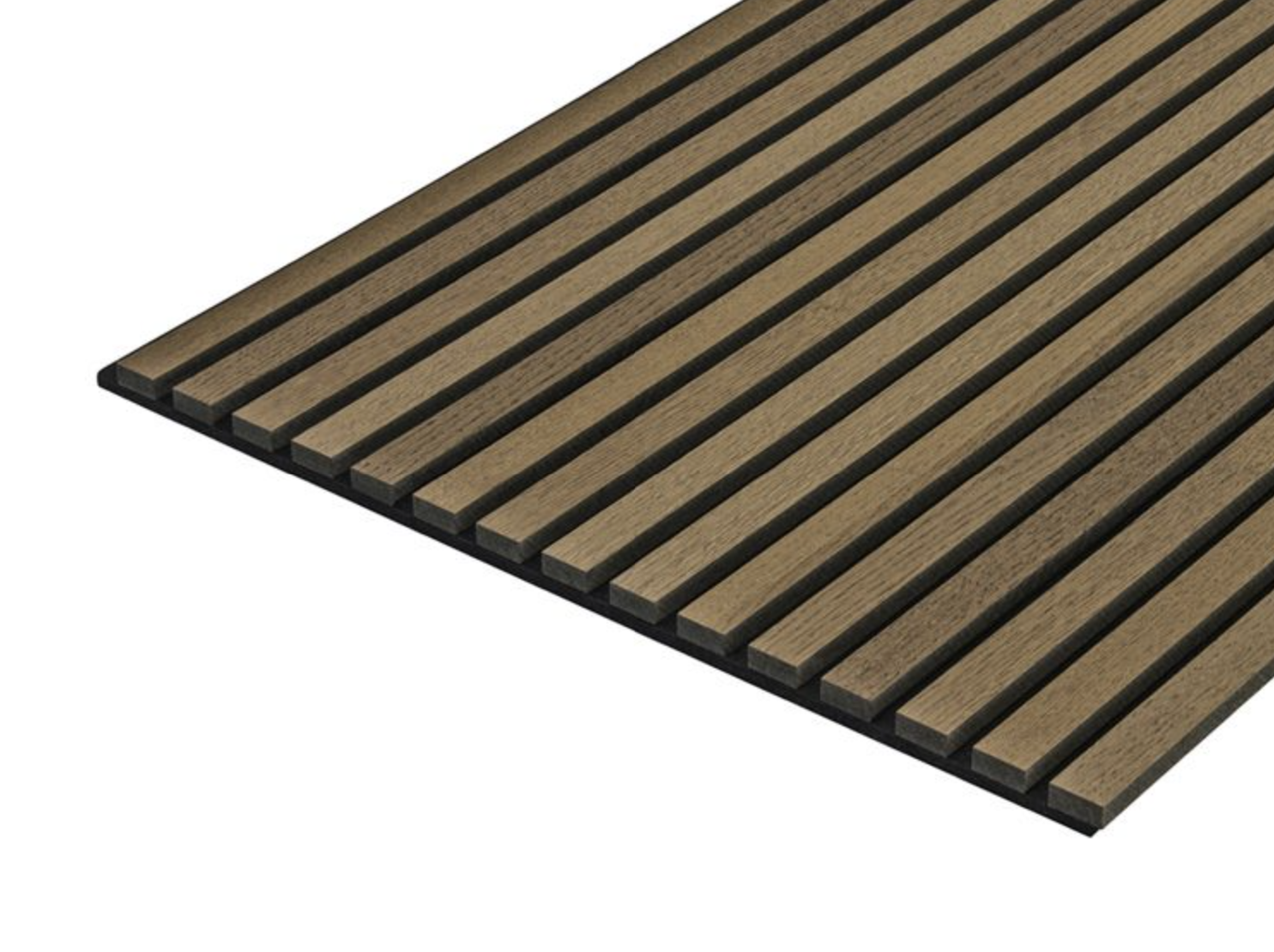
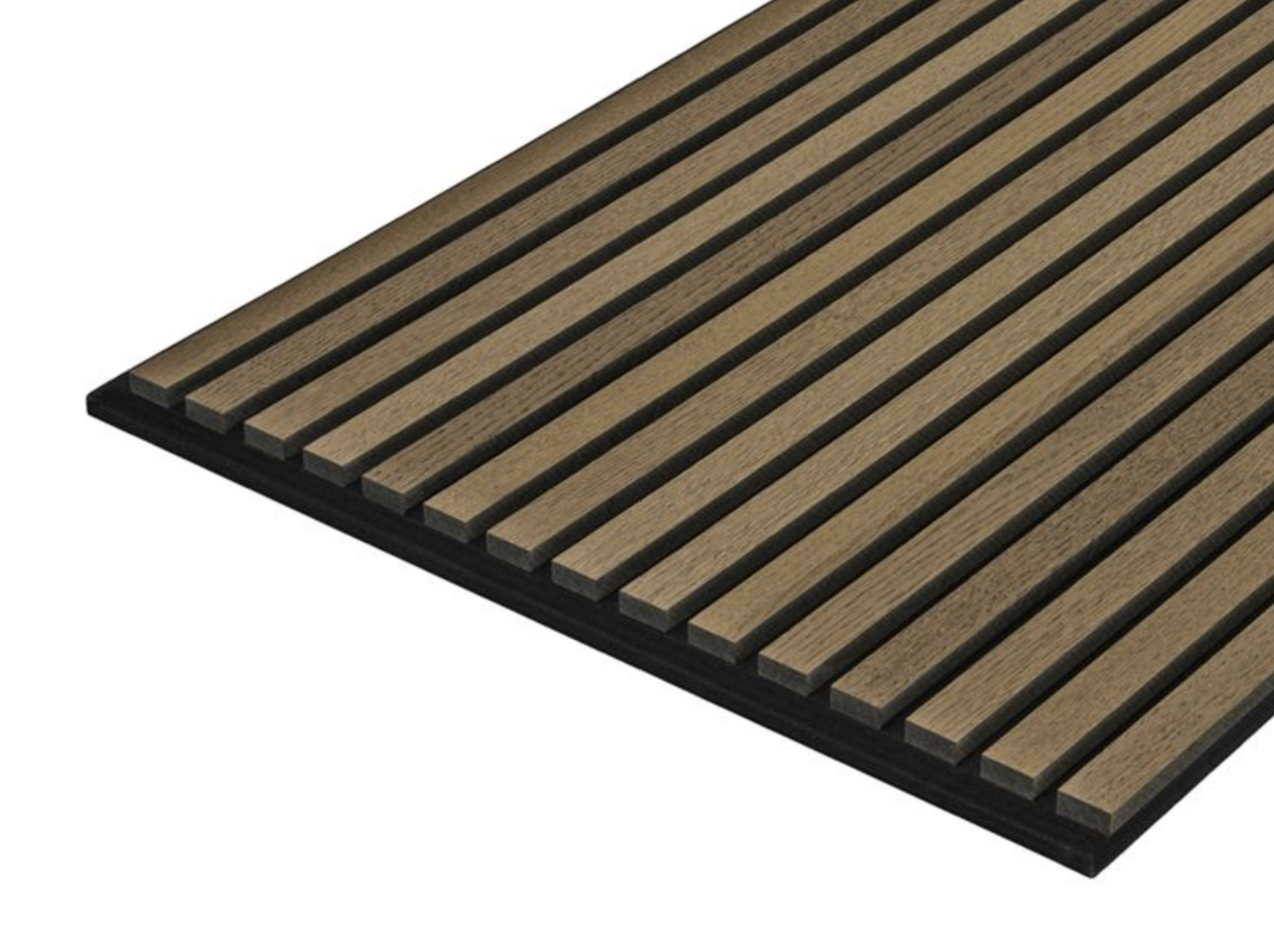
The wood-veneered MDF slats, combined with a recycled felt backing, improve sound absorption, reducing echo and noise levels for a quieter, more comfortable environment.
For optimal acoustic performance, consider mounting the panels with 45mm battens and sound insulation between the battens and the cladding.
Easy Installation:
Installing these panels is straightforward and quick, making them a great choice for DIY enthusiasts and professionals alike.
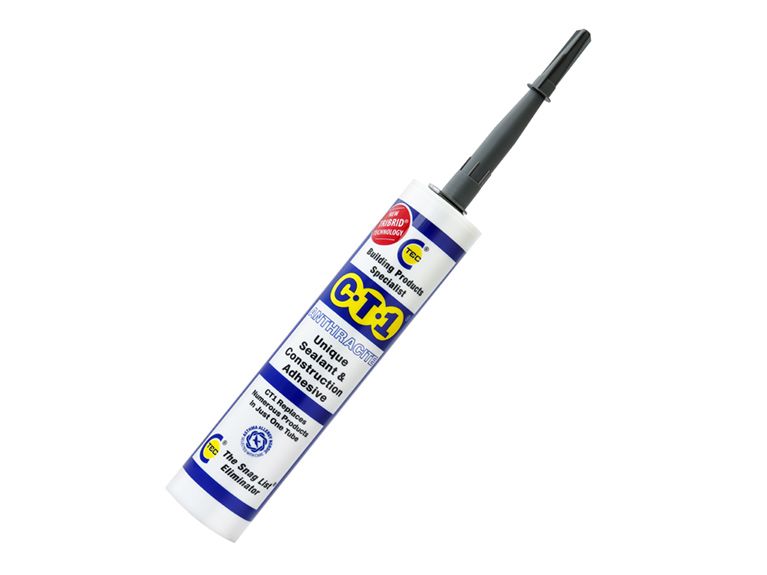
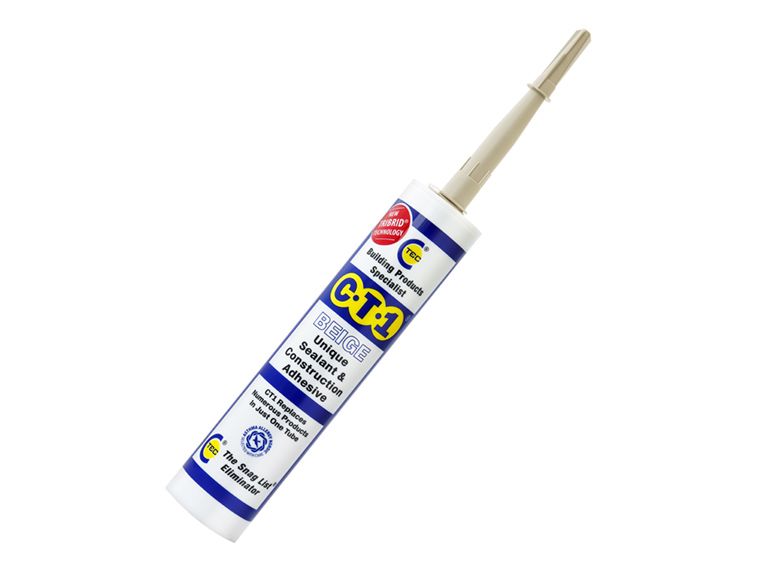
Mount the panels directly onto interior walls using nails, screws, or adhesive (not included, but available to purchase here).
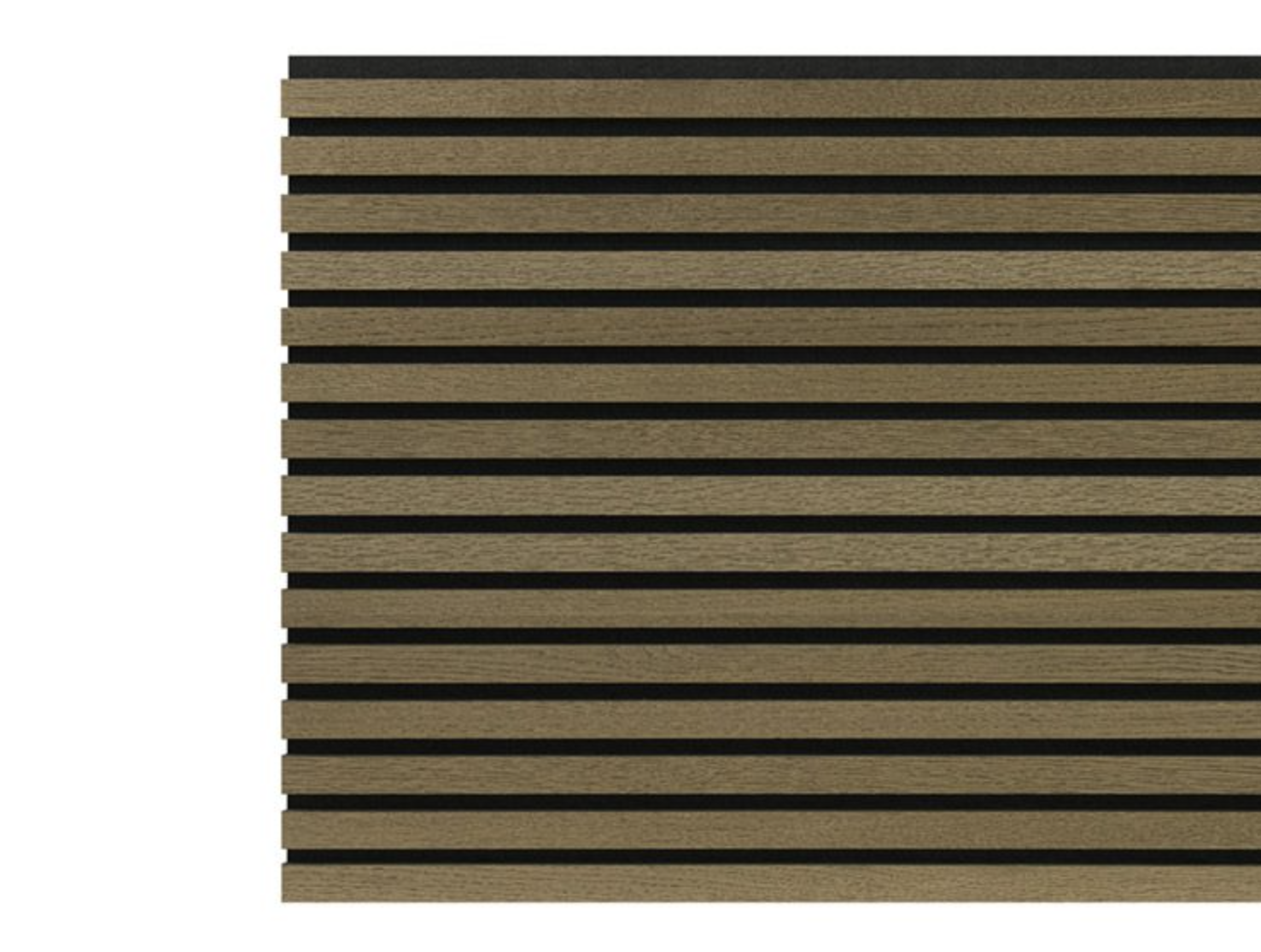
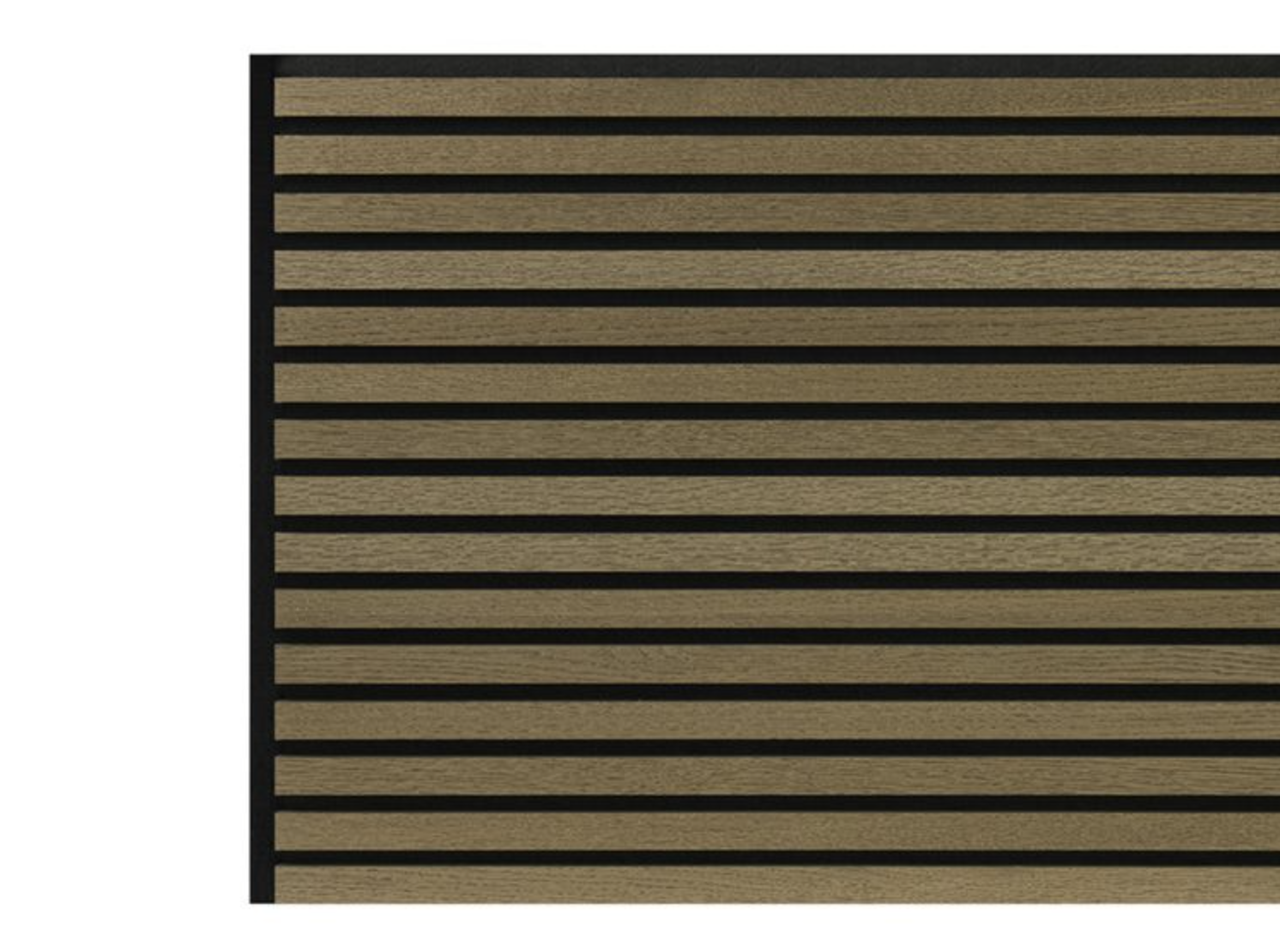
With the ability to install them vertically or horizontally, you can create unique designs that fit perfectly with your existing decor.
Versatile and Stylish Design:
These cladding panels are perfect for transforming a variety of indoor spaces, from modern living rooms and cosy bedrooms to sophisticated home offices and stylish hallways.
The panels offer a sleek, contemporary look that enhances any room, providing a high-end finish that elevates your home’s interior.
However, they are not suitable for high-humidity areas like bathrooms.
Range of Stunning Colours:
Choose from a beautiful selection of colours, including Pebble Grey, Espresso, Antique Oak and Golden Pine.
These options allow you to find the perfect shade to complement your interior style, whether you’re going for a warm, natural feel or a bold, modern statement.
Lightweight and Robust:
Despite their substantial appearance, these wall panels are lightweight yet durable, making them easy to handle during installation.
The sturdy construction ensures they remain firmly in place while offering a long-lasting decorative solution that stands up to everyday wear and tear.
Customisable Panel Size:
Each panel measures 2.4m in length, 600mm in width, and 21mm in thickness, covering approximately 1.44 square meters.
Panels can be easily cut to size using a hand saw or circular saw, allowing you to fit them perfectly into your chosen space.
The felt backing can be trimmed with a utility knife for precise adjustments.
Enhanced Sound Absorption:
Specifically designed to improve the acoustic quality of your interiors, these panels are perfect for rooms where sound management is a priority.
Their unique construction helps absorb unwanted noise, creating a more pleasant and peaceful atmosphere in your home.
Simple Maintenance:
Keeping your wall cladding looking its best is easy.
Simply wipe down with a damp cloth or vacuum with a soft nozzle attachment to remove dust and dirt.
The durable finish resists stains and maintains its beauty with minimal effort.
Create a Customised Look:
The flexibility to mount the panels in various orientations—vertically or horizontally—gives you the creative freedom to design a look that suits your space.
Mix and match colours or combine different layouts to create a feature wall that stands out. You could even consider composite wall cladding.
Perfect for Any Room:
Whether you’re creating a cosy reading nook, updating your hallway, or designing a sophisticated office, these wall panels provide a versatile solution that fits seamlessly into any space.
Their modern appeal and acoustic benefits make them an excellent choice for enhancing both form and function.