
Filters
Glass Door Canopies
These glass door canopies are a great choice when you want useful shelter above an entrance without making the doorway feel dark or enclosed. The transparent glazing keeps the look light, while stainless steel and aluminium detailing gives the canopy a clean, contemporary finish that works particularly well on modern homes and renovated properties.
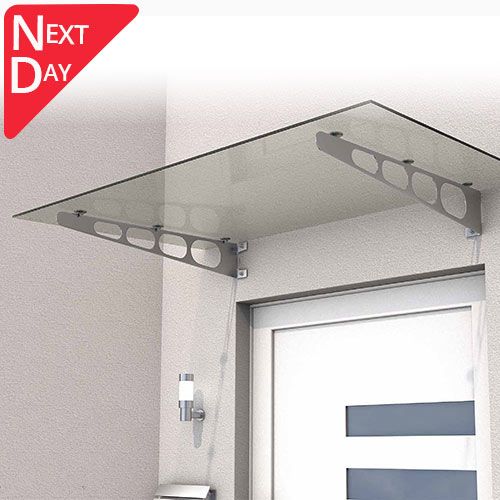
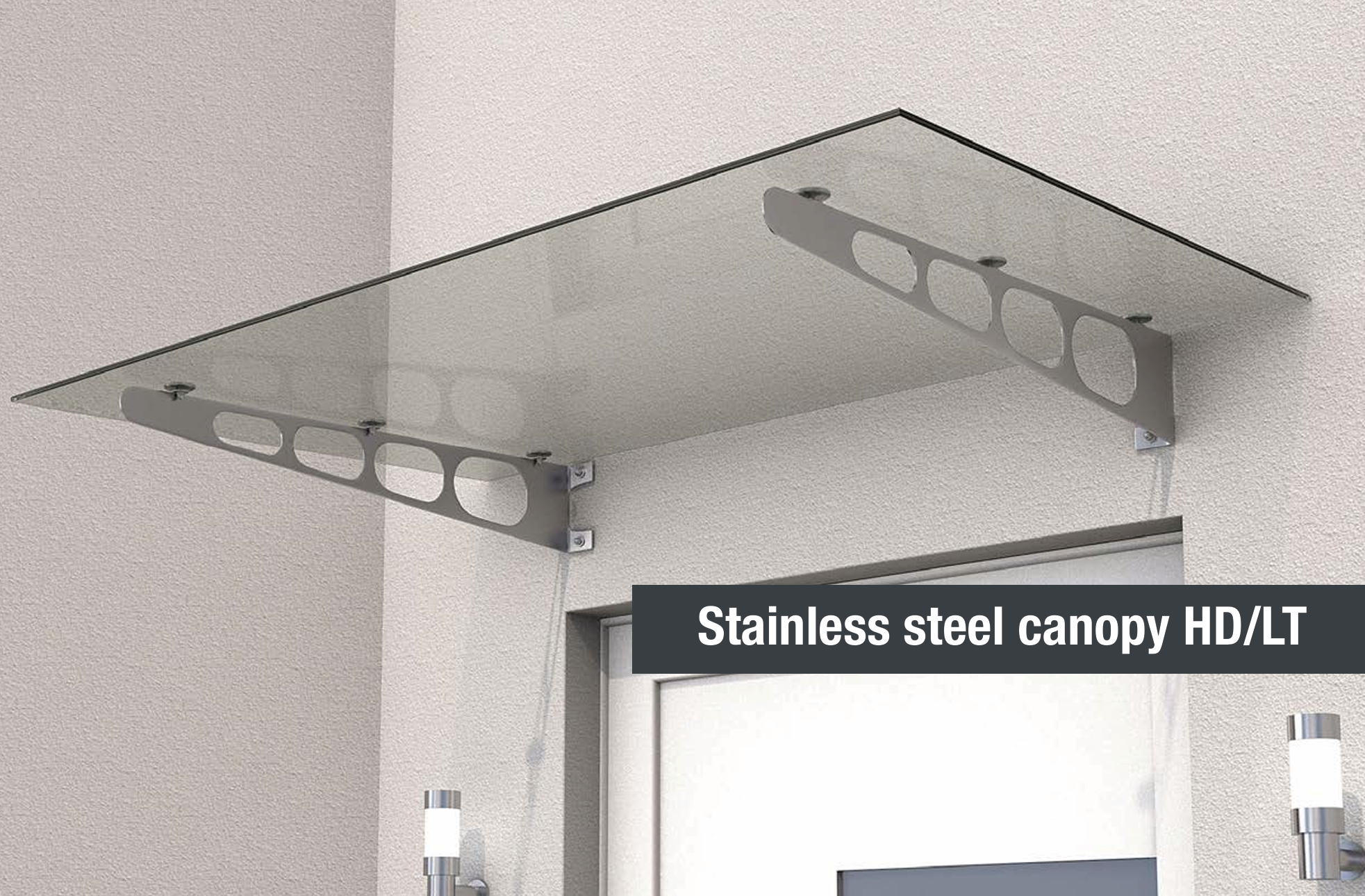
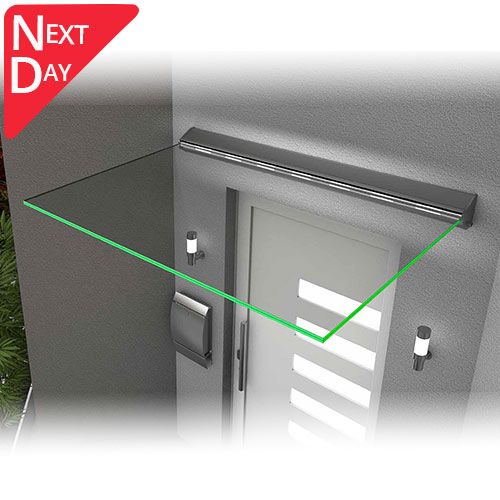
At Trade Warehouse, the range includes two straightforward stainless-steel-supported designs in 140cm and 160cm widths, both with a generous 90cm projection. If you want something more architectural, there is also a 160cm floating glass canopy with integrated LED lighting, designed to create a much cleaner appearance without the visible support arrangement of a conventional canopy.
Glass is especially useful where an entrance already has glazing, side lights or a modern front door and you do not want to block natural light. A glass front door canopy can provide practical rain cover while still allowing the elevation behind it to remain visible.
If you like the contemporary look but would prefer an opaque roof, take a look at our aluminium canopies. Alternatively, our polycarbonate front door canopies offer a lighter, more affordable route if budget is the main consideration.
Browse the three designs below, then use the buying guide further down the page if you’re deciding between widths, support styles or materials.
Which Glass Door Canopy Should I Choose?
With only a few models in the range, choosing should be fairly straightforward. The main things to compare are width, projection and support style.
The standard stainless steel designs suit buyers who want a simple, modern canopy with visible structural supports. The floating LED model is a more architectural option and works particularly well where the entrance itself is meant to be a feature.
If you are still comparing completely different materials, our wider front door canopies collection is the better place to start.
140cm Or 160cm Wide?
Width is usually the first decision.
A 140cm canopy can work well above a standard single doorway where the surrounding elevation is relatively compact. It gives you useful coverage without making the canopy look oversized.
The 160cm version gives you a little more shelter either side of the entrance and can look better where the door frame is wider, there are side lights, or you simply want the canopy to have more presence on the wall.
Do not measure the door leaf alone. Measure the complete opening, including the frame and any glazing beside it.
It is also worth checking how the canopy will line up with:
- External lights
- Doorbells and cameras
- Windows close to the entrance
- Existing guttering or downpipes
- Steps and handrails
- The available fixing area above the door
That small amount of preparation usually makes choosing between the two widths much easier.
Why Projection Matters
Both of the stainless-steel-supported designs project around 90cm from the wall.
Projection tells you how much actual shelter you get when standing beneath the canopy, so it can be just as important as width.
A wide canopy with very little projection might look substantial from the front but offer surprisingly little cover when you are unlocking the door in the rain. Around 90cm gives you a useful sheltered area without projecting excessively from a typical domestic elevation.
Our floating LED design has a similar generous depth, making it suitable where the canopy needs to be practical as well as decorative.
Stainless Steel Supports Or A Floating Design?
This is where the products start to feel quite different.
Stainless Steel Glass Canopies
A stainless steel glass canopy uses visible metal supports to hold the glazing away from the wall.
There is nothing wrong with seeing the structure. In fact, on the right property it becomes part of the look.
Stainless steel works particularly well with:
- Grey or black composite doors
- Aluminium window frames
- Rendered façades
- Contemporary brick
- Other stainless exterior fittings
The support arrangement also gives the canopy a more obviously engineered appearance.
For someone who simply wants a clean clear glass canopy above the front door, these models are probably the easiest place to start.
Floating Glass Canopy With LED Lighting
The alternative is our LED glass canopy, where the design is intended to look much more visually minimal.
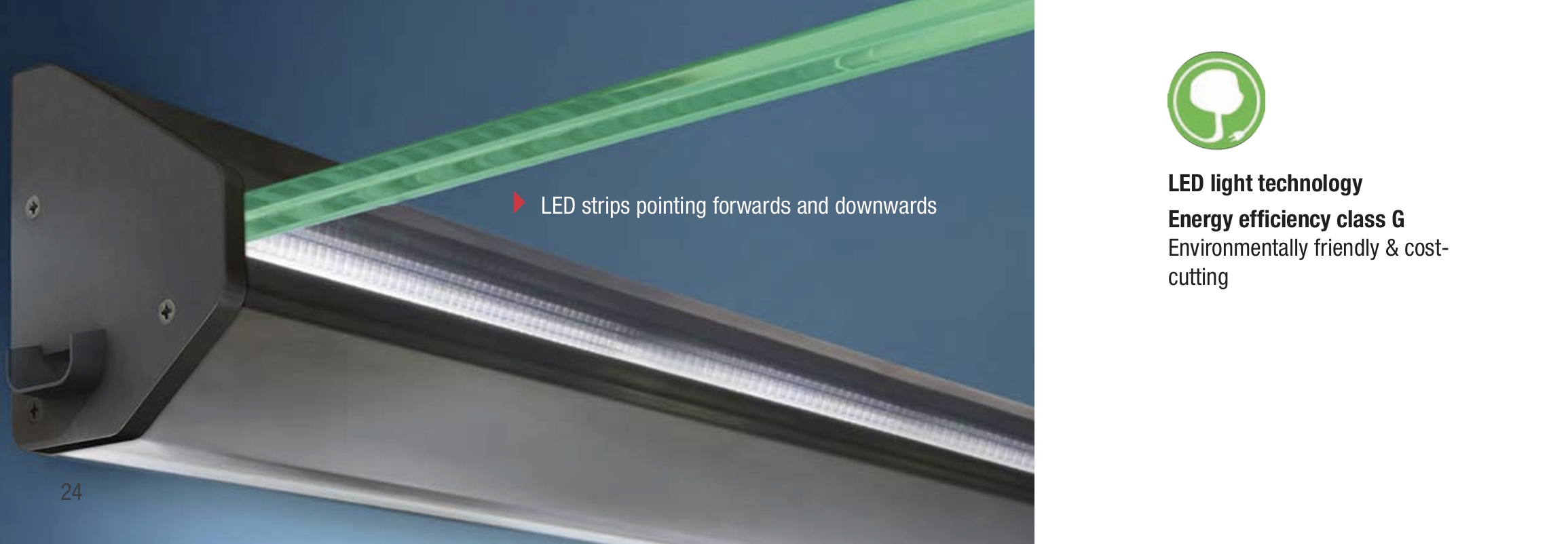
Rather than making the support framework the main feature, the glass appears to project cleanly away from the building. Integrated lighting then adds another dimension after dark.
This sort of canopy makes sense where you are already investing in the entrance itself — perhaps with a premium composite door, new glazing or a contemporary renovation — and want the canopy to feel like part of the architecture.
It is less about finding the cheapest way to keep rain off the step and more about finishing the entrance properly.
If this style appeals but you would prefer a solid roof rather than glass, several of our modern aluminium canopies also include integrated LED lighting.
Why Choose Glass Above A Front Door?
The obvious advantage is light.
Opaque metal roofs provide excellent cover, but they also create a solid structure above the doorway. Glass gives you the weather protection of a proper canopy while keeping the area underneath visually open.
That can be particularly useful when there is a window close to the door or glazing within the entrance itself.
A modern glass entrance canopy can also blend into the elevation rather than dominating it, which is one reason glass works so well on relatively minimalist properties.
At Trade Warehouse, the range has deliberately been kept focused rather than filled with dozens of near-identical designs. You can choose a conventional stainless steel arrangement or step up to the floating illuminated model depending on the look you want.
Glass Vs Polycarbonate Door Canopies
These two materials can look similar in photographs, but they sit at different points in the market.
Our polycarbonate door canopies are ideal where you want practical transparent or translucent cover at a lower price point. They are lightweight and well suited to straightforward domestic entrances.
Glass generally gives you a more substantial, premium finish.
That makes a glass canopy particularly appealing on the main front entrance, where the structure is much more visible and forms part of the appearance of the house.
If the decision is mainly driven by budget, polycarbonate is certainly worth considering. If finish and architectural appearance are higher priorities, glass comes into its own.
What About Acrylic Canopies?
Acrylic sits somewhere else again.
Our acrylic front door canopies provide another lightweight transparent option and can suit simpler entrance projects where you do not necessarily need the appearance or construction of a glass system.
Rather than treating glass, acrylic and polycarbonate as interchangeable, it is better to decide how prominent the canopy will be on the property and how much you want to spend on the entrance.
Check The Wall Before Installation
A canopy may look relatively light in a photograph, but glass and its support structure still need to be fixed securely.
The correct fixing method depends on the wall.
Solid masonry, blockwork, timber-frame construction and insulated/rendered façades can all require different approaches. Do not simply assume that a generic plug and screw will be suitable because it worked on another property.
Pay particular attention to where the brackets or supporting structure need to sit in relation to:
- Lintels
- Mortar joints
- External insulation
- Cladding
- Window openings
- Services hidden within the wall
If there is any uncertainty about the substrate or structural fixing points, it is sensible to have the installation assessed before drilling.
For more general planning advice, read our guide to putting a canopy over a front door.
Modern Glass Canopies For Different Entrances
Glass does not have to be limited to ultra-modern new builds.
It can work surprisingly well against older brick, particularly where the front door and windows have already been updated. The transparent roof means the canopy does not introduce a large block of colour or material above the entrance.
On a newer property, meanwhile, the combination of glazing and stainless steel creates a very clean finish.
A glass porch canopy can also work well where the doorway sits within a shallow recess and you want to extend the sheltered area without visually enclosing it.
The key is proportion. A canopy that is far wider than the entrance can look disconnected, while one that barely covers the door tends to look undersized.
Glass Door Canopy FAQs
Are Glass Door Canopies Suitable For Front Doors?
Yes. Glass door canopies work particularly well above front entrances because they provide overhead shelter while allowing daylight through. They are especially popular on contemporary homes and renovations.
Should I Choose A 140cm Or 160cm Canopy?
Measure the complete door frame and consider how much additional cover you want either side. A 140cm design suits many standard entrances, while 160cm gives you more coverage and often looks better above wider frames or doors with side glazing.
Will A Glass Canopy Make My Entrance Dark?
One of the main reasons to choose glass is that it allows light through, so it generally keeps the entrance feeling more open than an opaque roof.
Do You Sell A Glass Canopy With Lighting?
Yes. The range includes a floating 160cm model with integrated LED lighting. It is the most architectural option in the collection and works particularly well on modern entrances.
Are These Canopies Frameless?
The products use different support arrangements, so we would not describe the whole range as frameless. The floating design creates a much cleaner visual effect, whereas the other models use visible stainless steel supports.
Can I Install A Glass Canopy Myself?
That depends on the canopy, the wall construction and your experience. Accurate positioning and appropriate structural fixings are important, particularly with glass products. Always follow the installation information for the model you buy.
What If I Want More Side Protection?
These products are primarily overhead canopies. If your entrance regularly catches wind-driven rain from one direction, our door canopies with sides may be a better fit.