Choosing The Right Copper Downpipe Size
The first decision is usually 80mm or 100mm.
Don't choose purely on appearance. The pipe needs to work with the gutter outlet above it and suit the amount of rainwater the roof needs to discharge.
If you're replacing an existing pipe, measure the main pipe body rather than the wider formed end. If it's a completely new installation, it makes more sense to choose the gutter, outlet and downpipe together.
Trade Warehouse supplies both sizes with the matching fittings, so you don't need to start mixing components from unrelated systems halfway through the job.
80mm Copper Downpipes
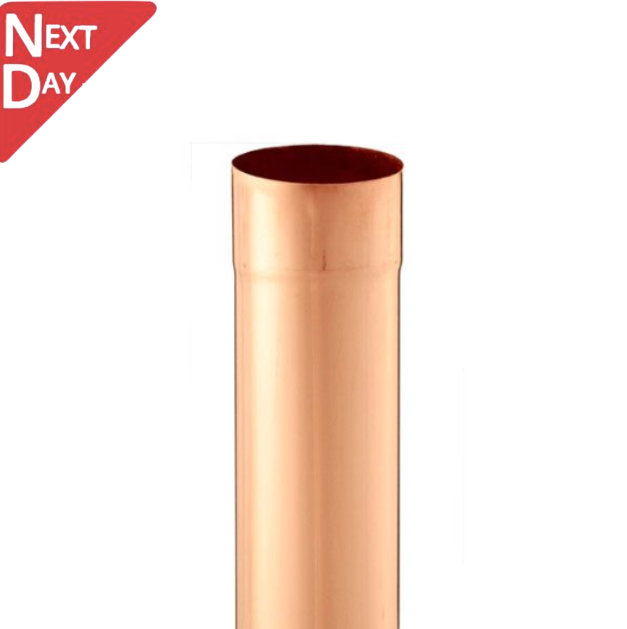
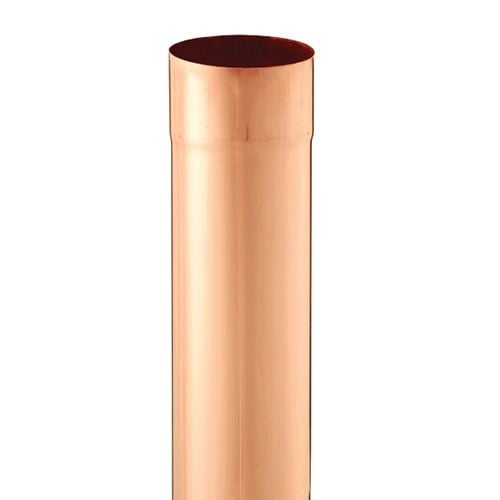
For most customers, the 80mm copper downpipe is where we'd start. The Zambelli range includes 1m, 2m and 3m pipe lengths, making it easier to build the drop without having to cut every section down from one standard length.
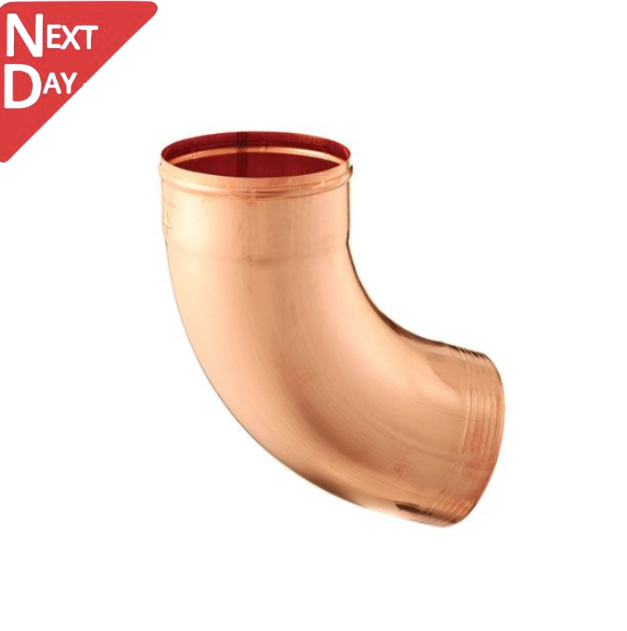
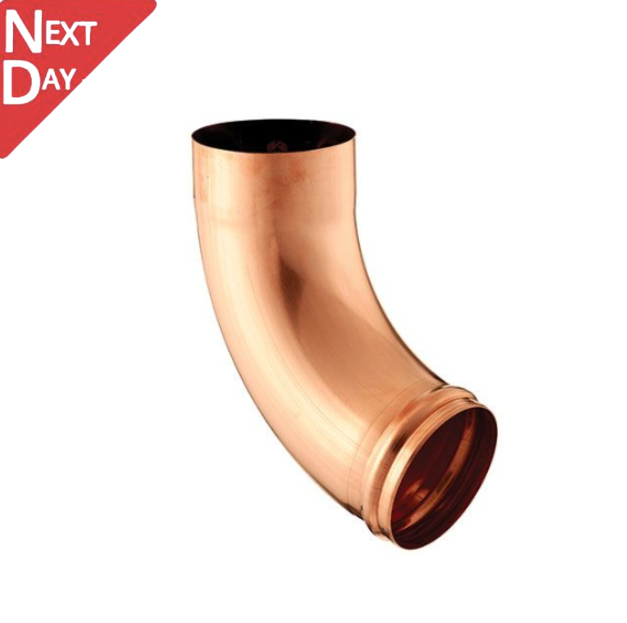
There's also a proper selection of fittings available, including bends, brackets, branches, shoes, loose connectors, diverters and offsets.
The 80mm range is also the one we hold most heavily, with many stocked products available for next working day delivery when ordered before 11:30am.
That can make quite a difference on a project where the guttering is already going up and you don't want to wait weeks for a missing pipe fitting.
100mm Copper Downpipes
Need a larger pipe? We also supply 100mm copper downpipes in 1m, 2m and 3m lengths.
These are particularly useful where the rest of the system has already been designed around a 100mm outlet or where a larger rainwater pipe has been specified.
Don't automatically move up to 100mm simply because bigger sounds better, though. The outlet, gutter and overall drainage arrangement need to make sense together.
Availability can also vary more on the 100mm range, so if timing matters, check the current lead time before ordering.
How Zambelli Copper Downpipes Join
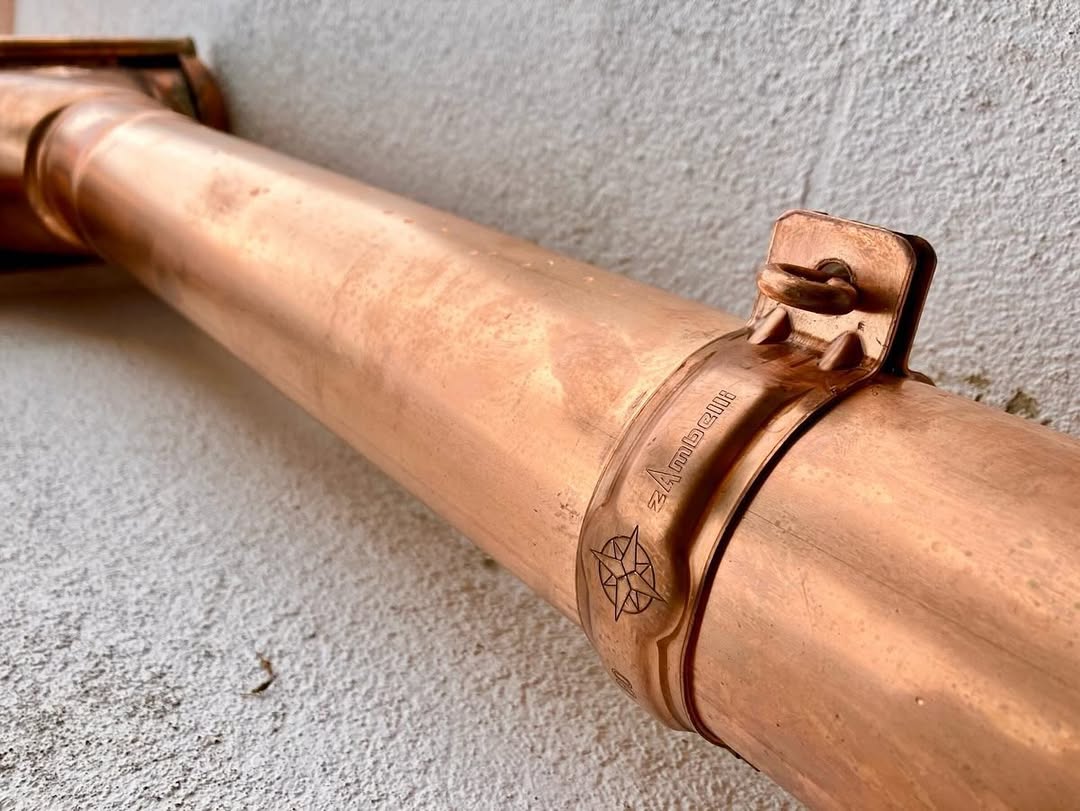
The pipework itself is refreshingly straightforward. Full-length Zambelli pipe sections have a formed, reduced end which allows one pipe to push into the next. That means you don't need a separate connector between every full pipe length.
This is different from the guttering. The gutter joints use their own dedicated joining system, while the vertical pipework relies on the shaped pipe ends.
What Happens If I Cut A Pipe?
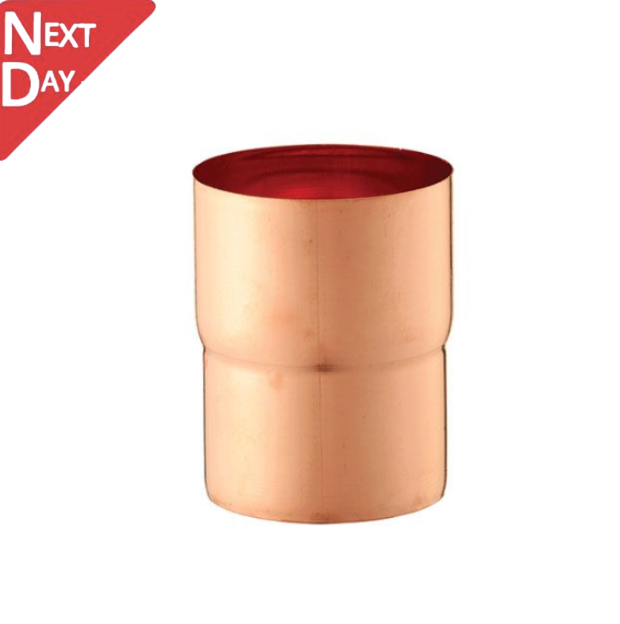
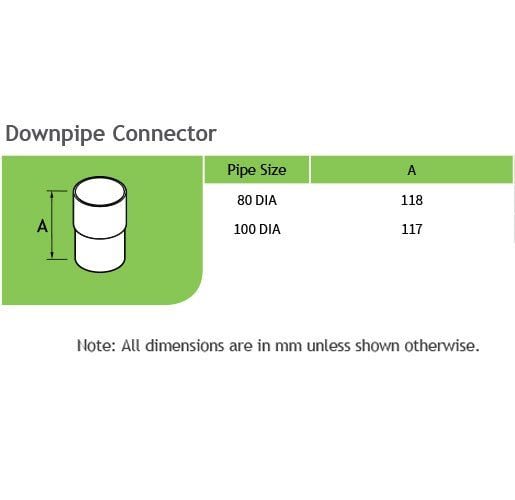
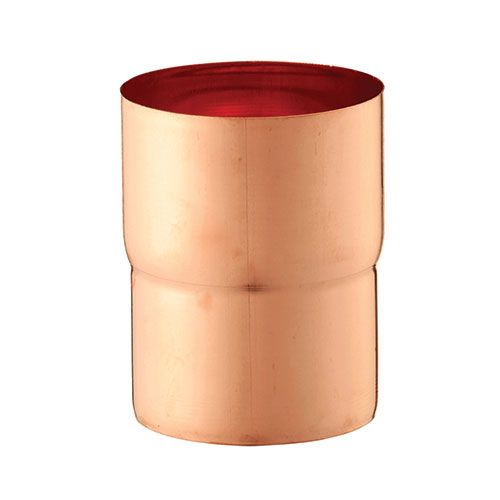
This is the bit worth knowing before you get the saw out. If you cut a downpipe, the offcut may no longer have the formed end needed to push directly into the next piece. That's what the loose copper downpipe connector is for.
It allows you to join a cut section back into the system rather than wasting a perfectly usable length of copper.
So before cutting several lengths, work out which ends you're going to be left with. A couple of loose connectors in the order can save a lot of hassle on site.
Bends, Offsets And Awkward Rooflines
Very few downpipes run perfectly straight from the gutter outlet to the ground.
Roof overhangs, soffits, brick details and window positions can all move the required pipe line away from the outlet.
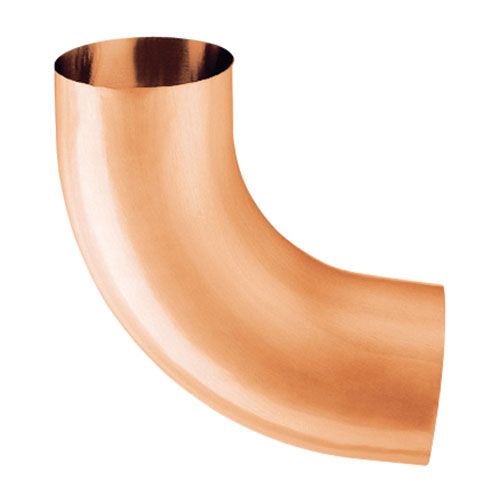
Copper Downpipe Bends
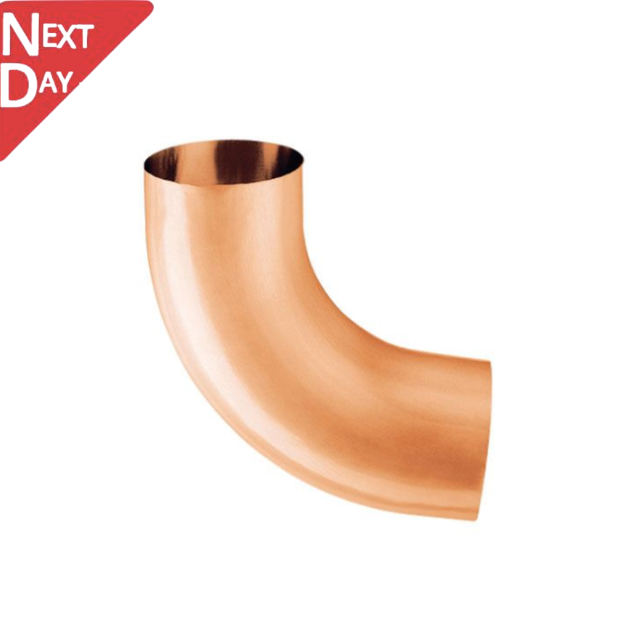
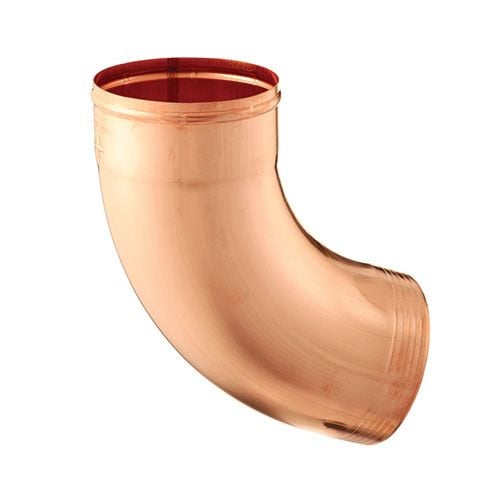
Bends are normally used near the top of the run to bring the pipe back towards the wall.
Different angles are available, so look at the actual geometry rather than guessing. Two bends can also be combined to create an offset where the pipe needs to move sideways before continuing vertically.
Fixed Offsets
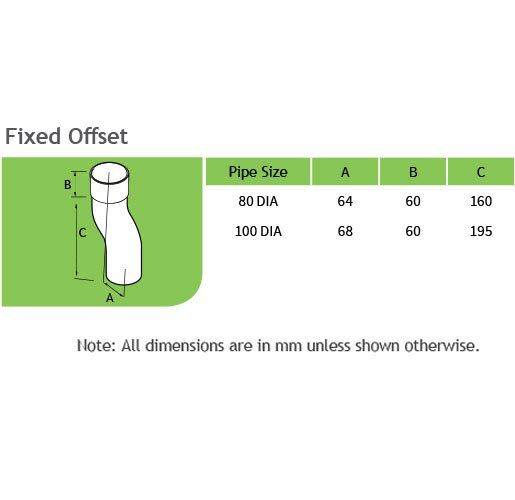
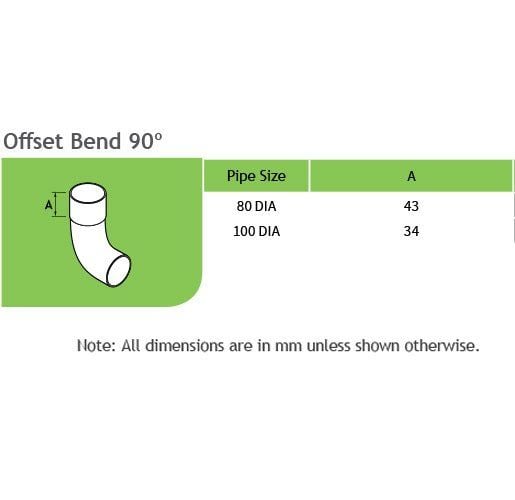
For simpler jobs, a fixed offset can make life easier.
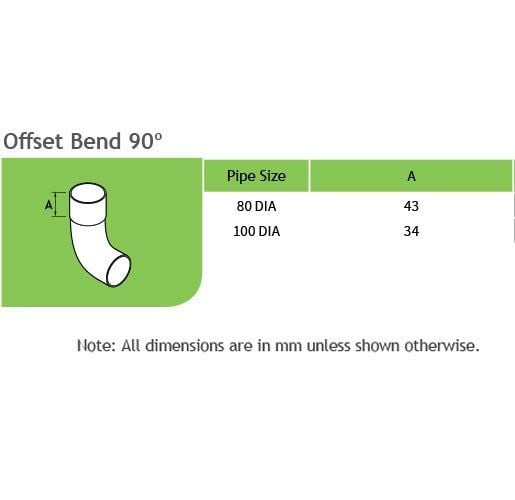
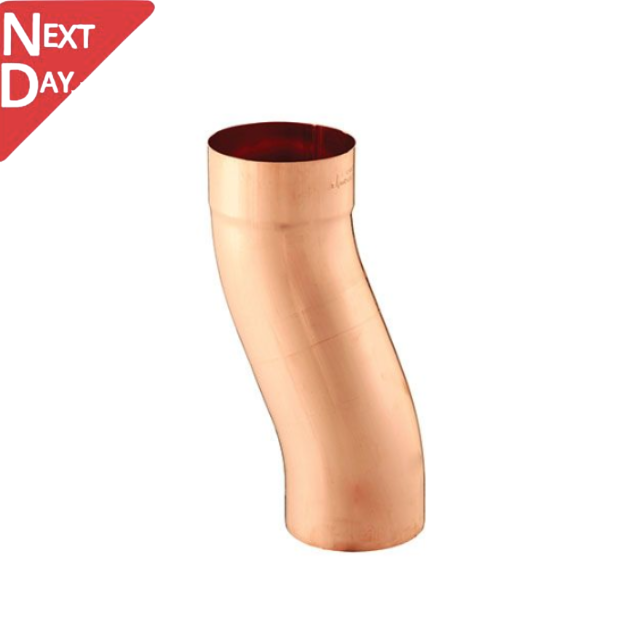
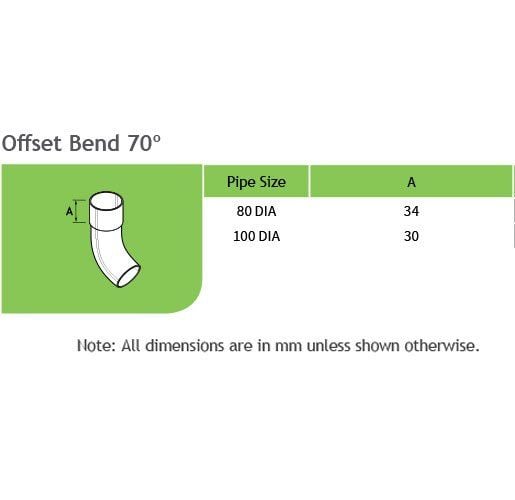
The Zambelli 80mm range includes a 60mm projection offset, giving you a ready-made way to move the pipe around a small obstruction without building the offset from separate bends.
Measure the projection you need first. There's not much point ordering an offset that clears the fascia beautifully but leaves the pipe sitting 30mm away from where you actually need it.
Supporting The Downpipe Properly
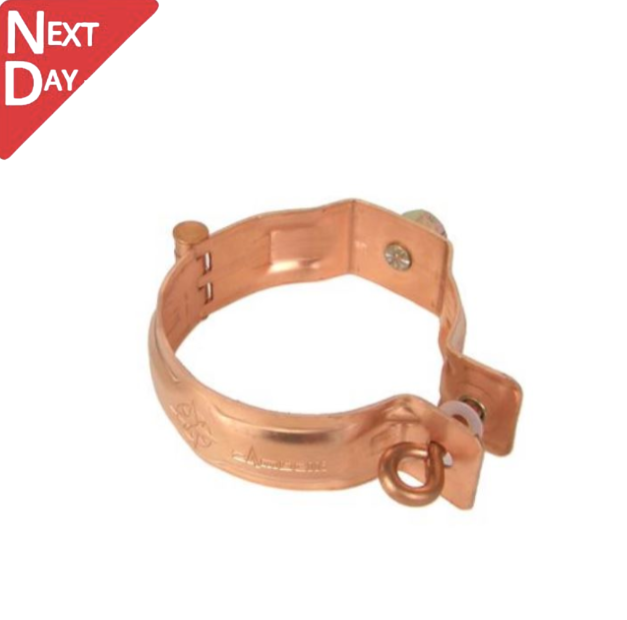
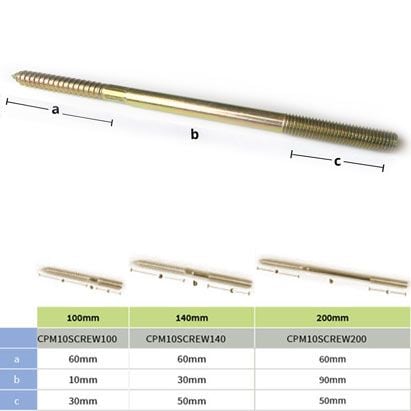
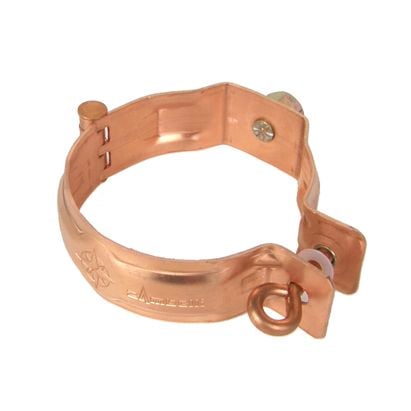
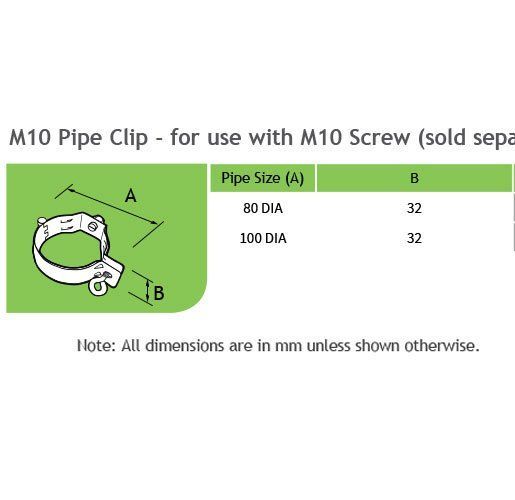
Copper pipework still needs proper support down the wall. The matching brackets hold the pipe securely and help keep the run straight. How you fix those brackets back to the building depends on the wall construction and the distance the pipe needs to stand off the surface.
If you're working over insulation, render, cladding or uneven masonry, don't just assume the shortest fixing will do.
Plan the bracket positions before assembling the whole drop. It makes keeping everything straight considerably easier.
Branches, Shoes And Rainwater Diverters
The straight pipe gets most of the attention, but these smaller fittings are often what make the finished installation work properly.
Copper Branches
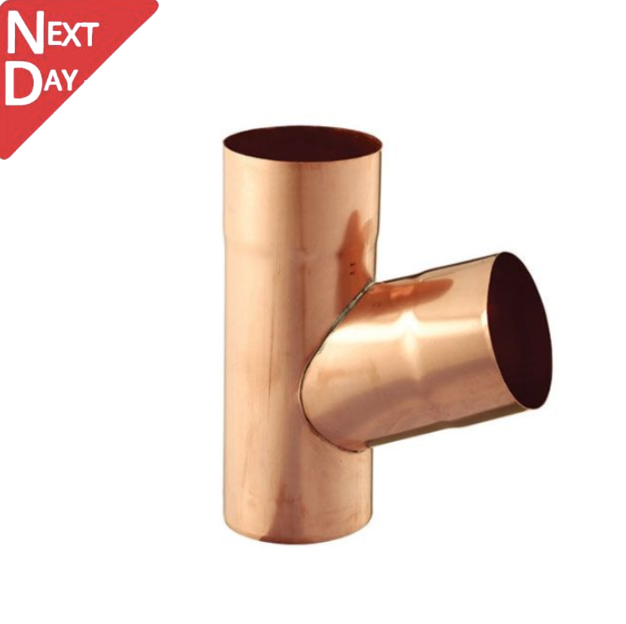
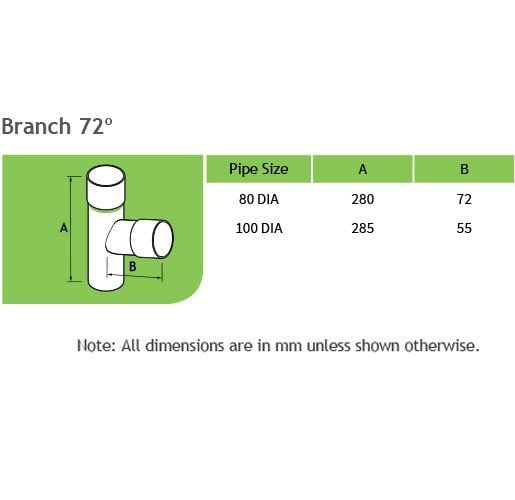
A branch allows another rainwater pipe to feed into the main downpipe.
That's useful where two separate drainage points need bringing into the same vertical run. Check the angle and pipe size before ordering.
Downpipe Shoes
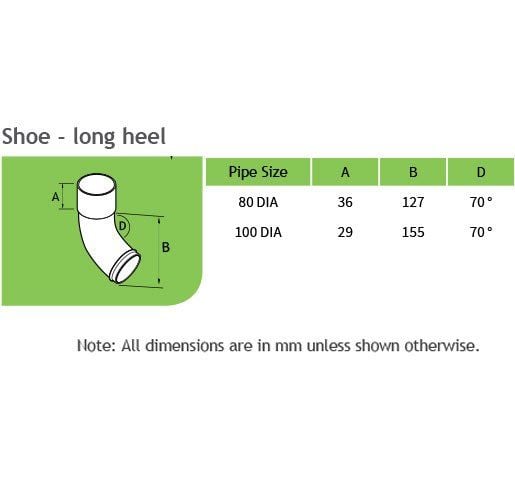
A shoe sits at the bottom of the pipe and directs the water away from the wall where you're discharging above ground.
If the pipe is connecting straight into underground drainage instead, you'll need to plan that transition differently.
Rainwater Diverters
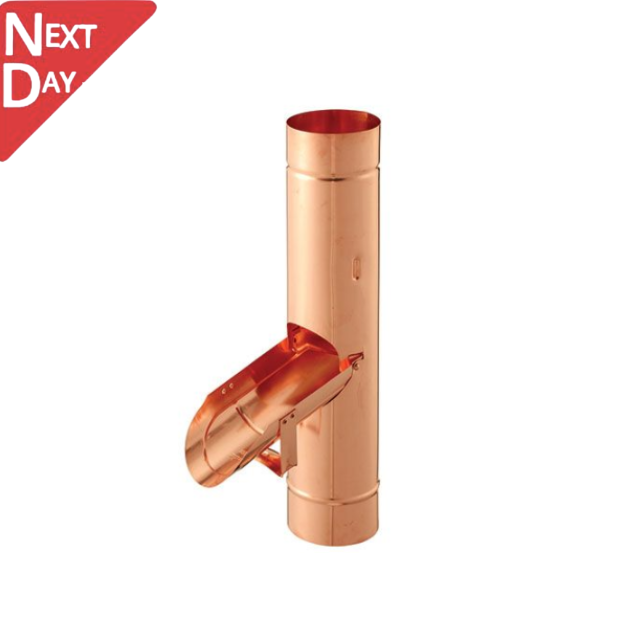
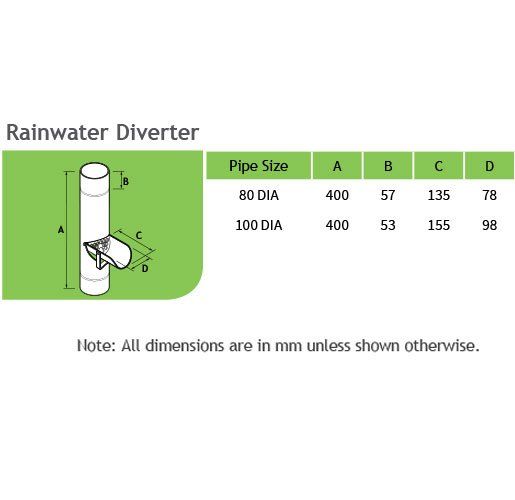
Want to send some of the rainwater towards a water butt or storage tank? A compatible diverter can be incorporated into the downpipe run.
Again, match it to the correct pipe diameter rather than treating 80mm and 100mm fittings as interchangeable.
Match Your Downpipes With Copper Guttering
Copper looks best when the whole visible system feels intentional.
Our copper guttering range includes Zambelli half-round systems in 115mm, 125mm and 150mm sizes, so the horizontal guttering can be paired with matching copper pipework rather than switching materials at the outlet.
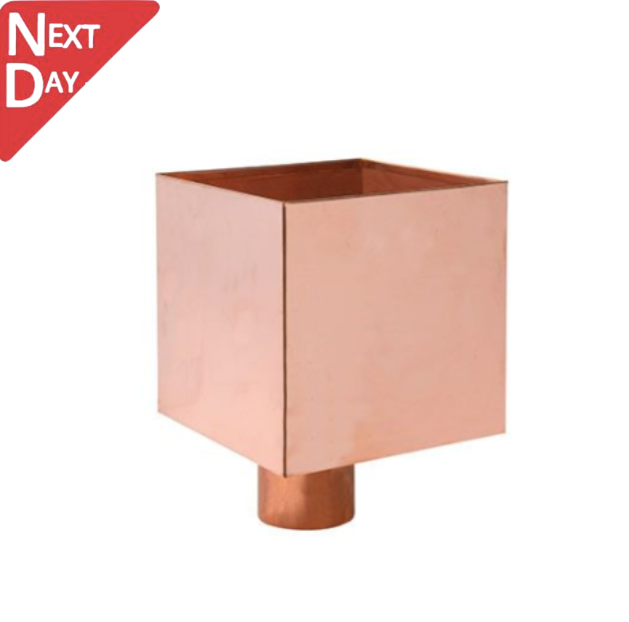
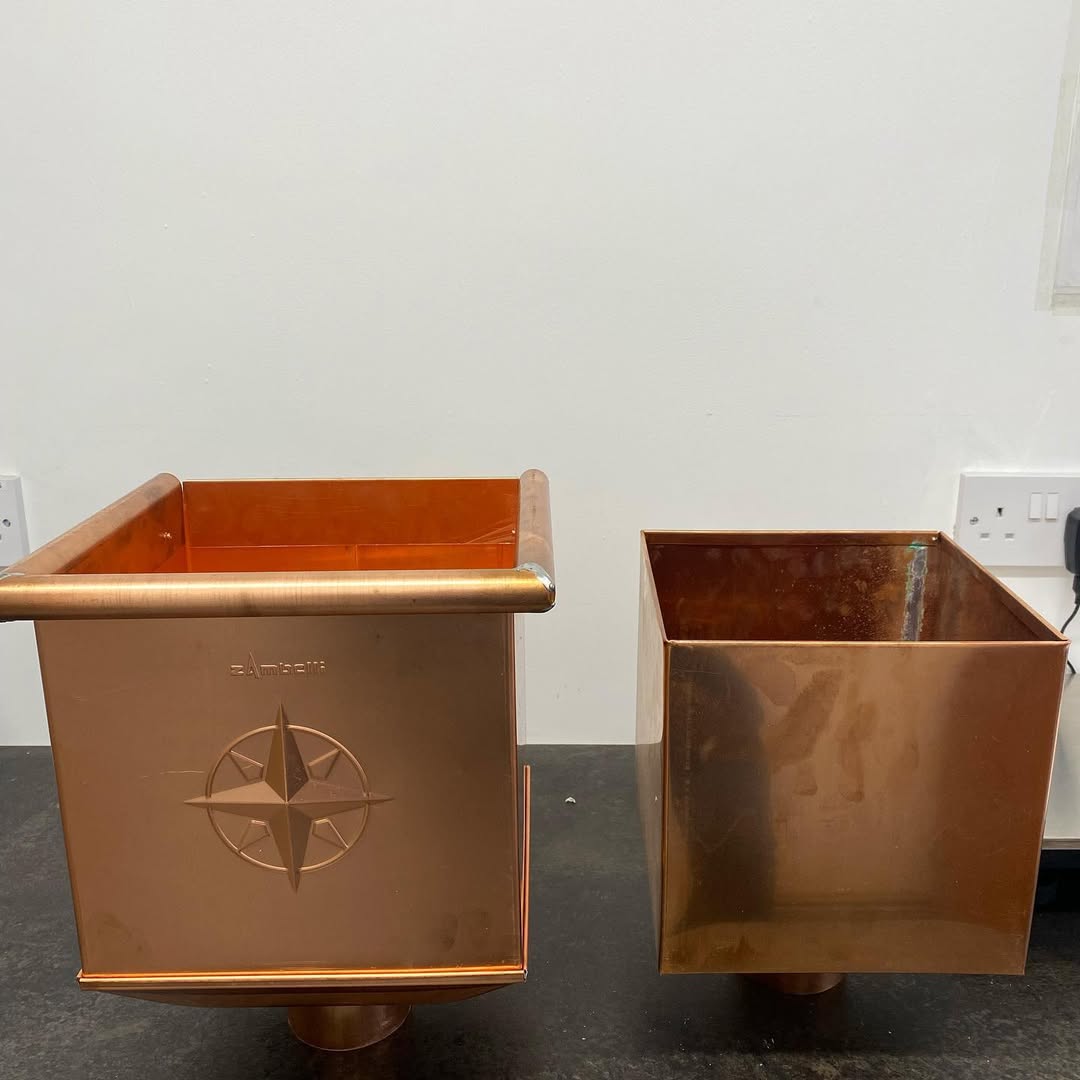
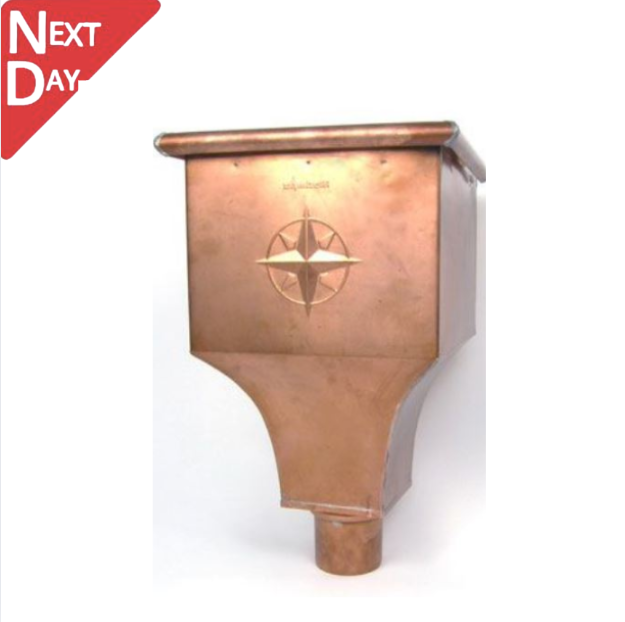
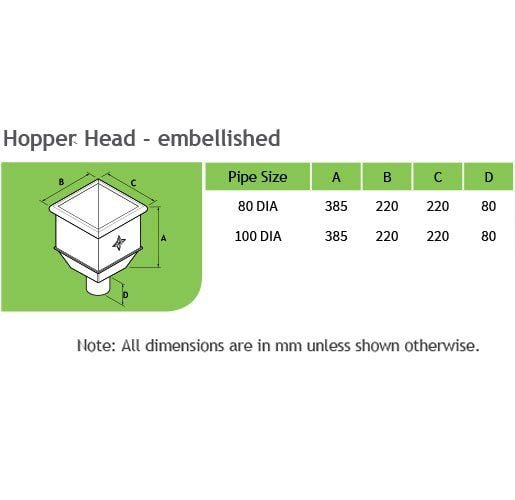
You can also add a matching copper hopper where the drainage layout needs a rainwater head between the roof outlet and downpipe.
Trade Warehouse can help with the wider system too. If you're ordering gutter lengths, corners, outlets, pipes and fittings together, send the measurements or drawings over first and we can help work through the main components.
How Copper Changes Over Time
New copper starts with the bright warm colour most people recognise straight away.
It won't stay exactly like that.
As the surface is exposed to the weather, it gradually darkens and develops a natural patina. The final appearance depends on the environment and how exposed the pipework is, so two elevations on the same building won't always weather at exactly the same rate. That's part of the appeal of real copper!
If you want something that stays the same colour from day one, copper probably isn't the material to choose. If you like a finish that develops and changes with the building, it works brilliantly.
Don't Try To Keep It Looking Brand New
A natural copper surface is supposed to change.
Aggressive cleaning or polishing can leave sections looking noticeably different from the rest of the installation, especially once the surrounding pipe has started to weather.
For most rainwater systems, we'd let the copper age naturally rather than constantly trying to restore the original bright finish.
Replacing Existing Copper Rainwater Pipes?
Measure before ordering. You'll want to know:
- the outside diameter of the existing pipe
- the total height of the drop
- how many bends or offsets are required
- how far the pipe sits from the wall
- the outlet size above it
- how the bottom of the pipe terminates
- whether any branches or diverters are already fitted
Photos help enormously too. Take one showing the complete vertical run, plus closer photos of the connection at the gutter and any bends or unusual fittings.
Not every old copper rainwater pipe will necessarily be compatible with the Zambelli system, even if the diameter looks roughly the same.
Why Choose Zambelli Copper Pipework?
The nice thing about this system is that it goes well beyond the straight pipe.
You can get proper matching bends, brackets, offsets, branches, connectors and shoes rather than buying the downpipe and then trying to improvise the rest of the installation.
The 1m, 2m and 3m lengths also give you more flexibility when planning the drop, particularly if you've got windows, extensions or other features to work around.
And because it's part of the wider Zambelli copper rainwater range, you can carry the same material from the gutter at roof level right through to the pipework below.
For larger jobs, Trade Warehouse can also work from drawings or measurements to help you put together the main gutter and downpipe components before ordering.