












Why Choose Zambelli Galvanised Steel Guttering?
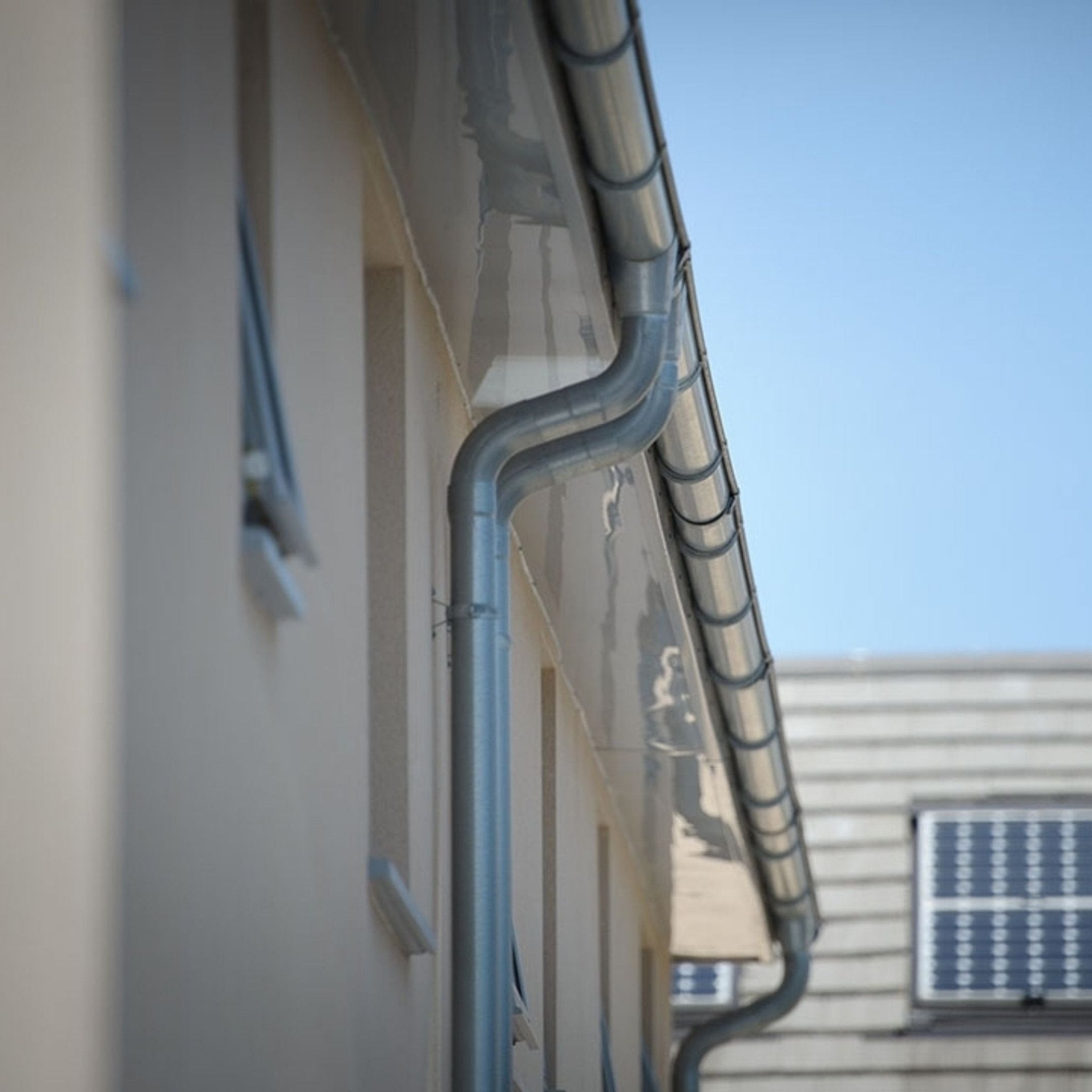
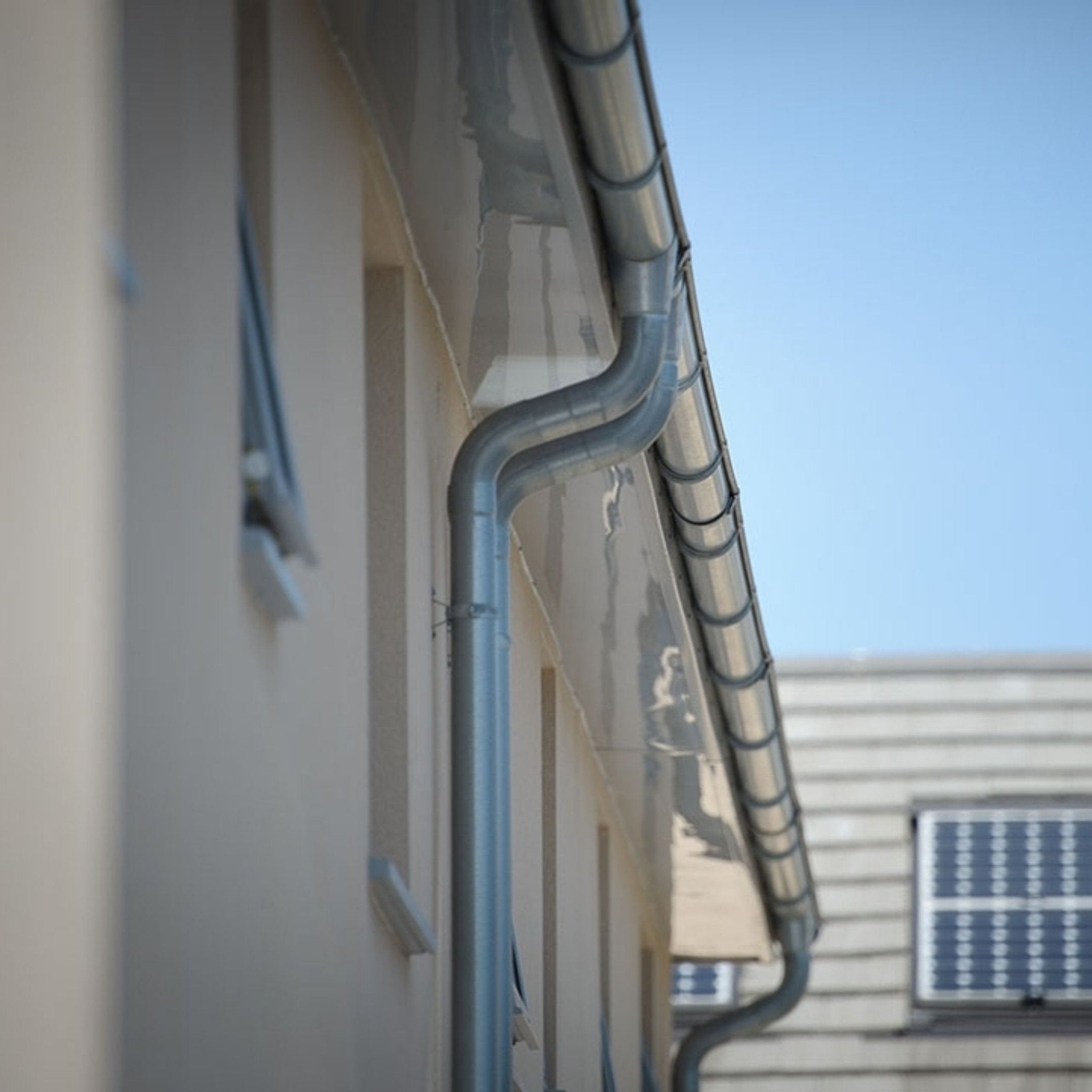
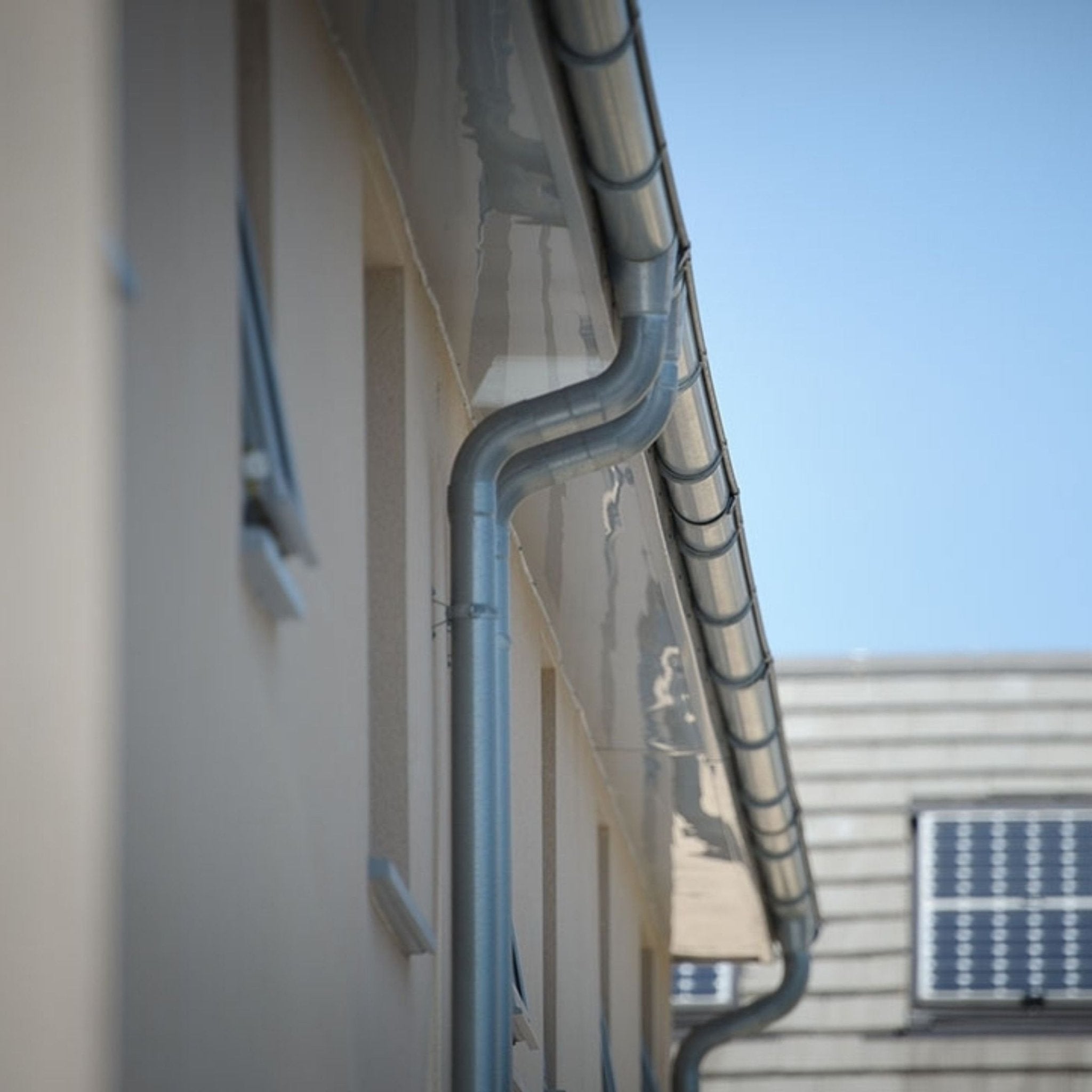
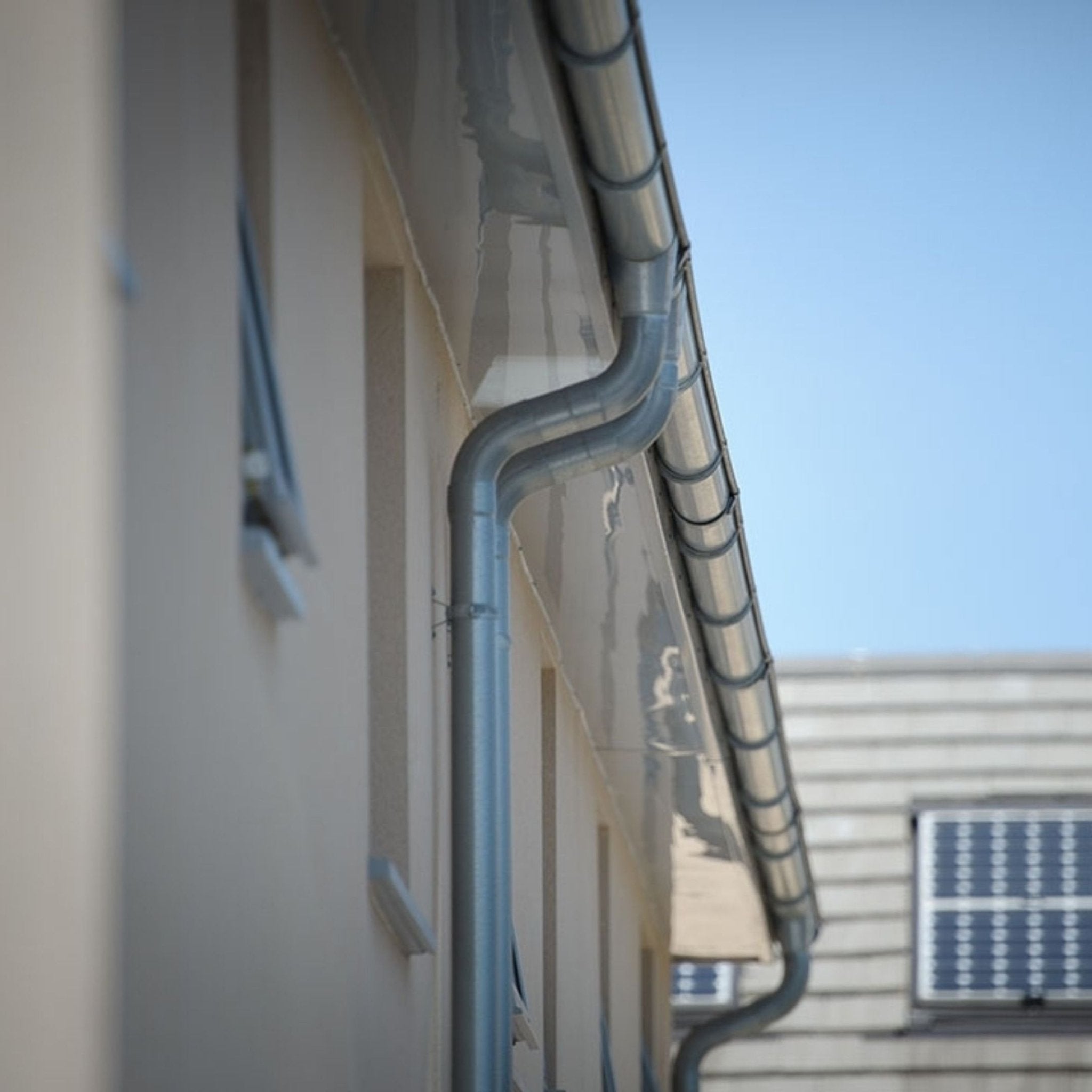
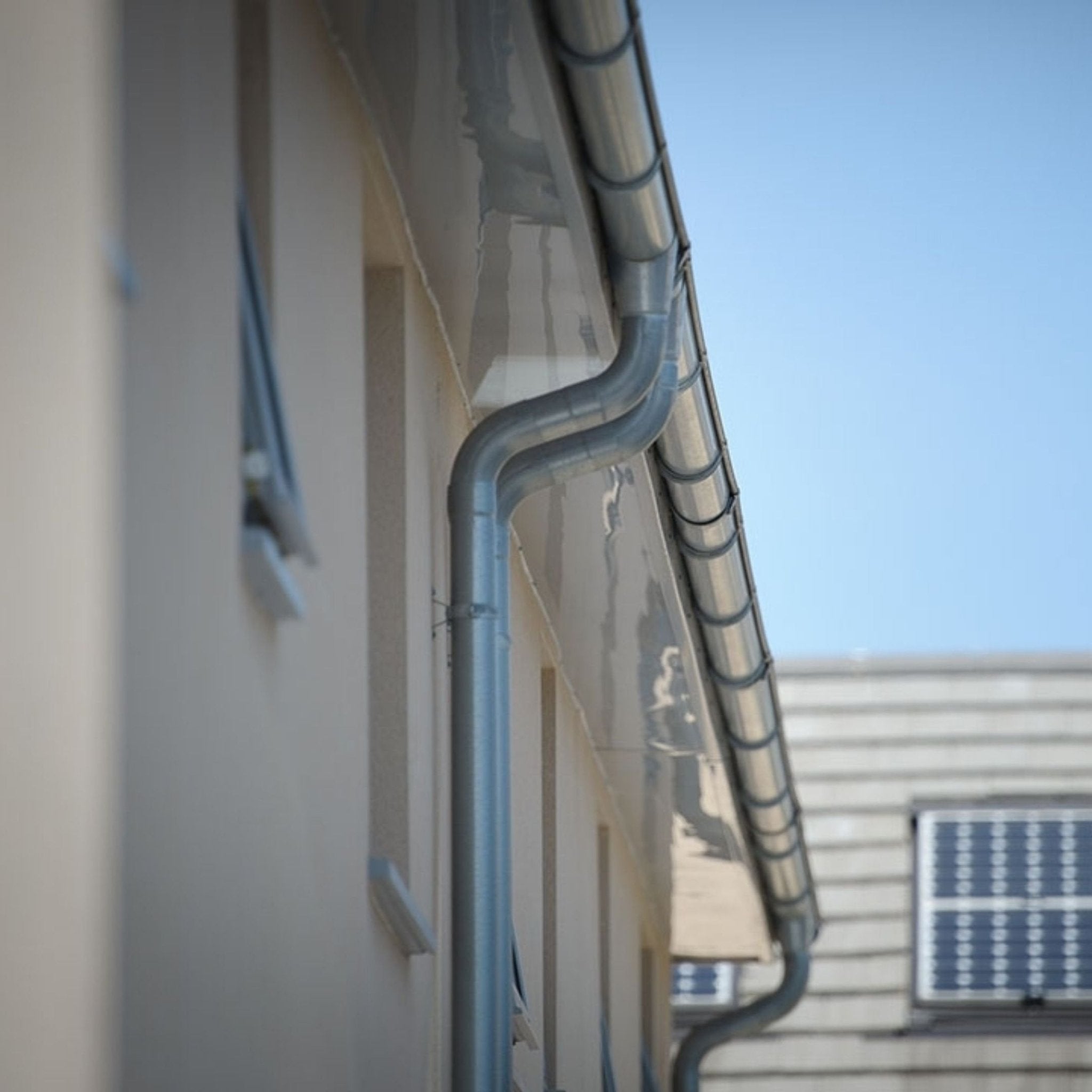
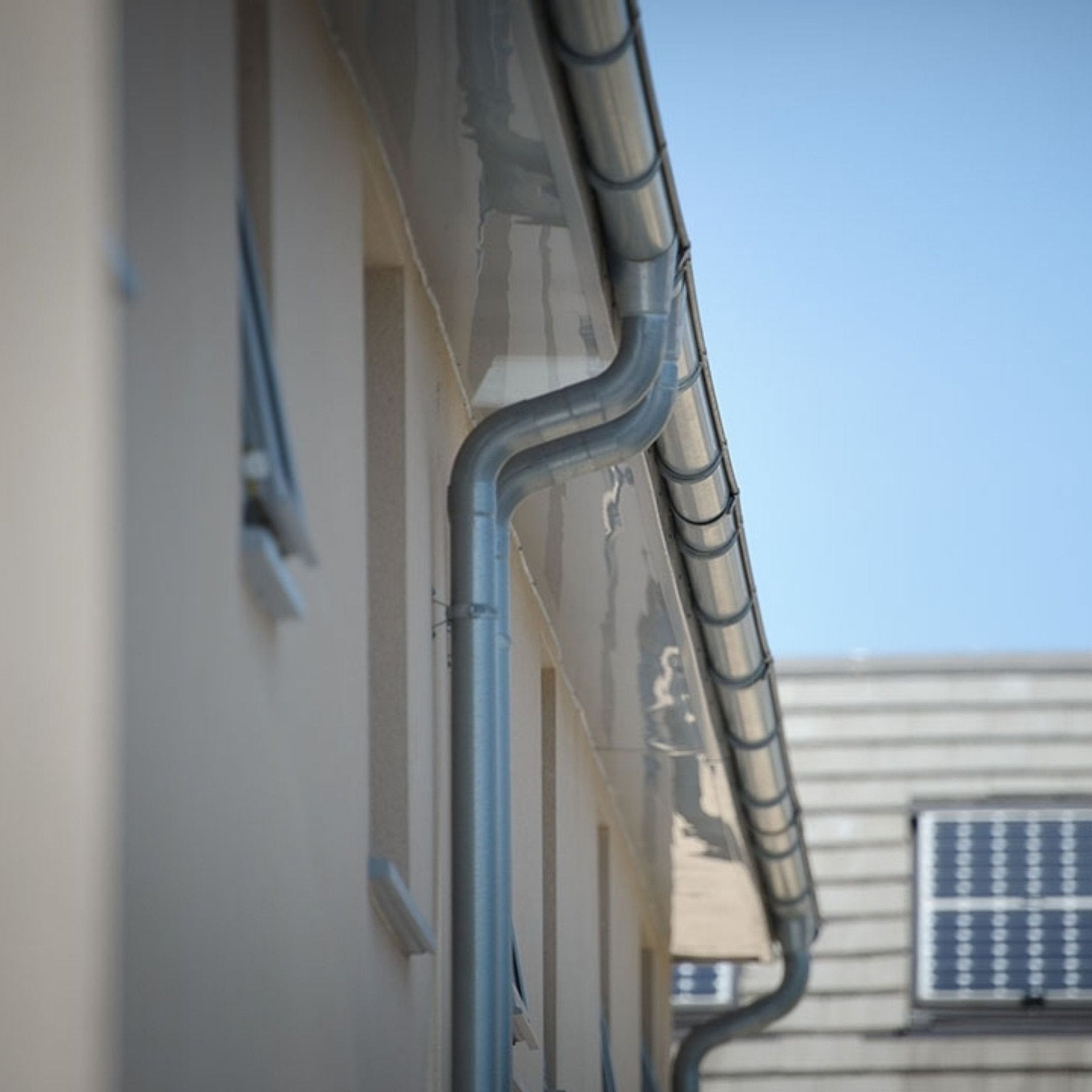
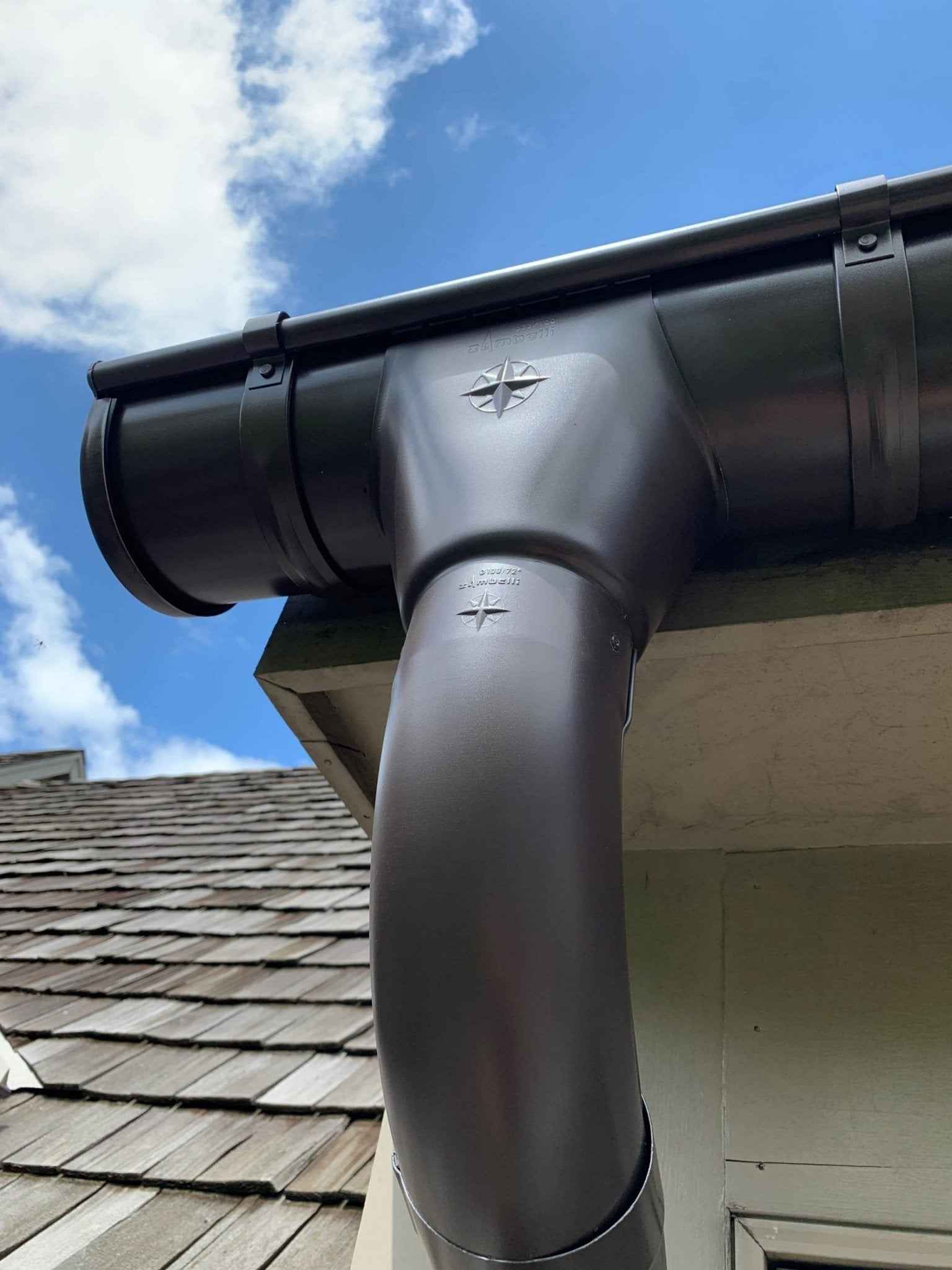
Zambelli focuses on metal rainwater systems, with each component made to work as part of the same range. Gutters, outlets, brackets, bends and downpipes are produced to match, which makes planning and installation far more straightforward.
The steel construction gives the system a solid, rigid form with a neat finish along the roofline. It is a good option for customers who want something more substantial than plastic without moving to a much heavier cast iron system.
Zambelli puts a lot of focus on consistency across its components, which matters once you start building a full run with several outlets, corners and downpipes.
Trade Warehouse stocks a broad selection of Zambelli parts, with next working-day delivery available on stocked items. Our team can help with component matching, quantities and sizing before you place an order.
Next Day Delivery On Stocked Items


Quick Delivery
Next day delivery on stocked items ordered by 11:30am.
Eco Conscious Choice
This system is 100% recyclable and lasts much longer than plastic.
Manufacturer Warranty
Zambelli manufacturer warranty cover across the steel rainwater range.
Expert Customer Service
Our in-house sales team is available by phone, email & chat to help you.
Next Day Delivery On Stocked Items
Choosing the right gutter size comes down to the amount of rainwater your roof needs to handle. Roof area, outlet size and the number of downpipes each play a part.
Zambelli offers several half round sizes, so smaller domestic roofs and much larger roof areas can use the same steel system. The table gives a simple starting point, but larger or unusual roofs should be checked using proper rainwater calculations.
Help With Gutter Sizing
Matching Downpipes & Fittings
Half round
Half round
Half round
3m
3m
3m
60mm / 80mm
80mm
100mm
Smaller roof areas
Medium roof areas
Larger roof areas
Full system available
Full system available
Full system available
What Do I Need for a Complete Galvanised Guttering System?
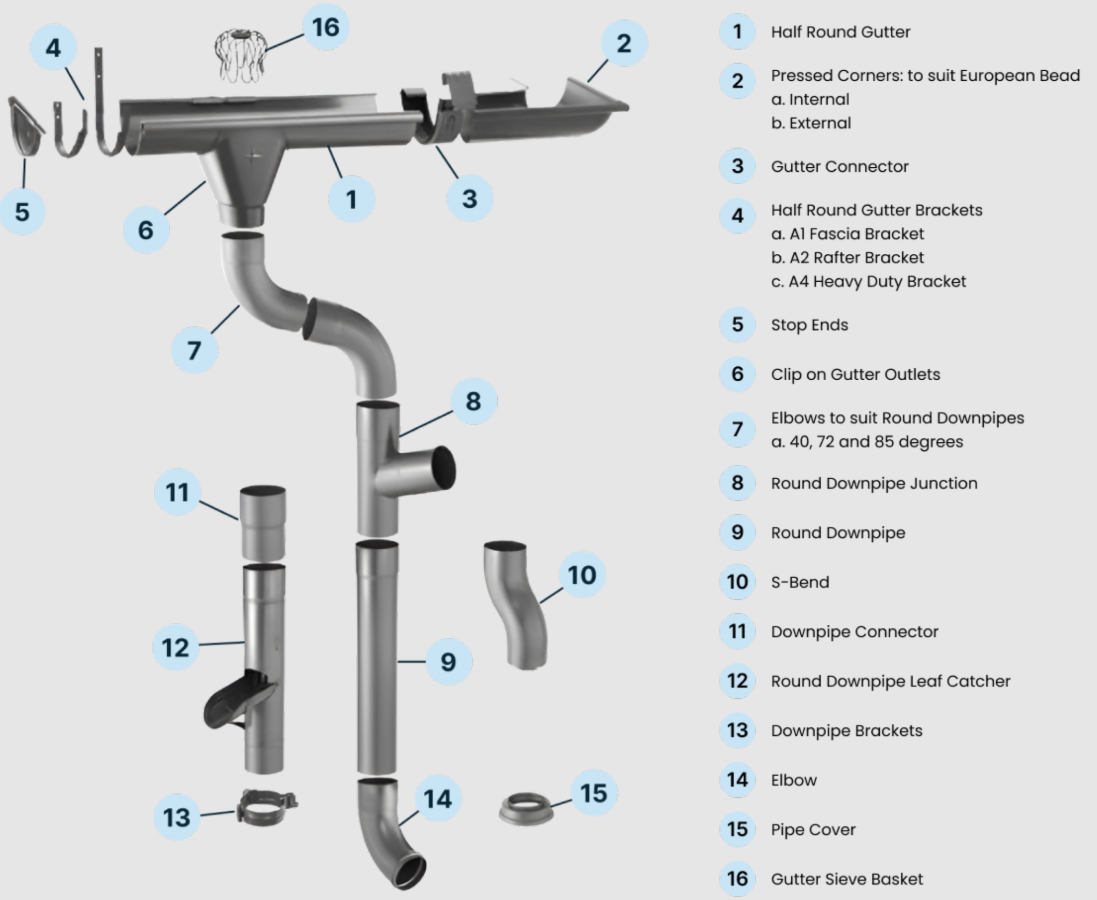
A complete galvanised guttering system usually needs more than gutter lengths and downpipes. The exact parts will vary with your roof shape, gutter runs and planned outlet positions.
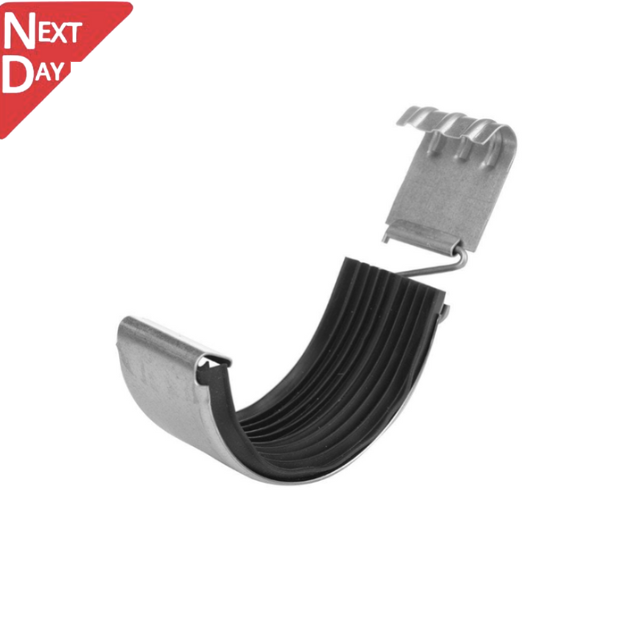
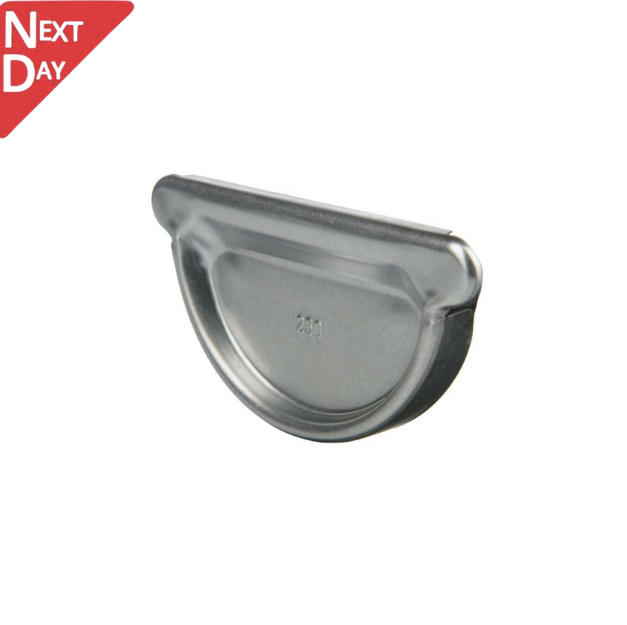
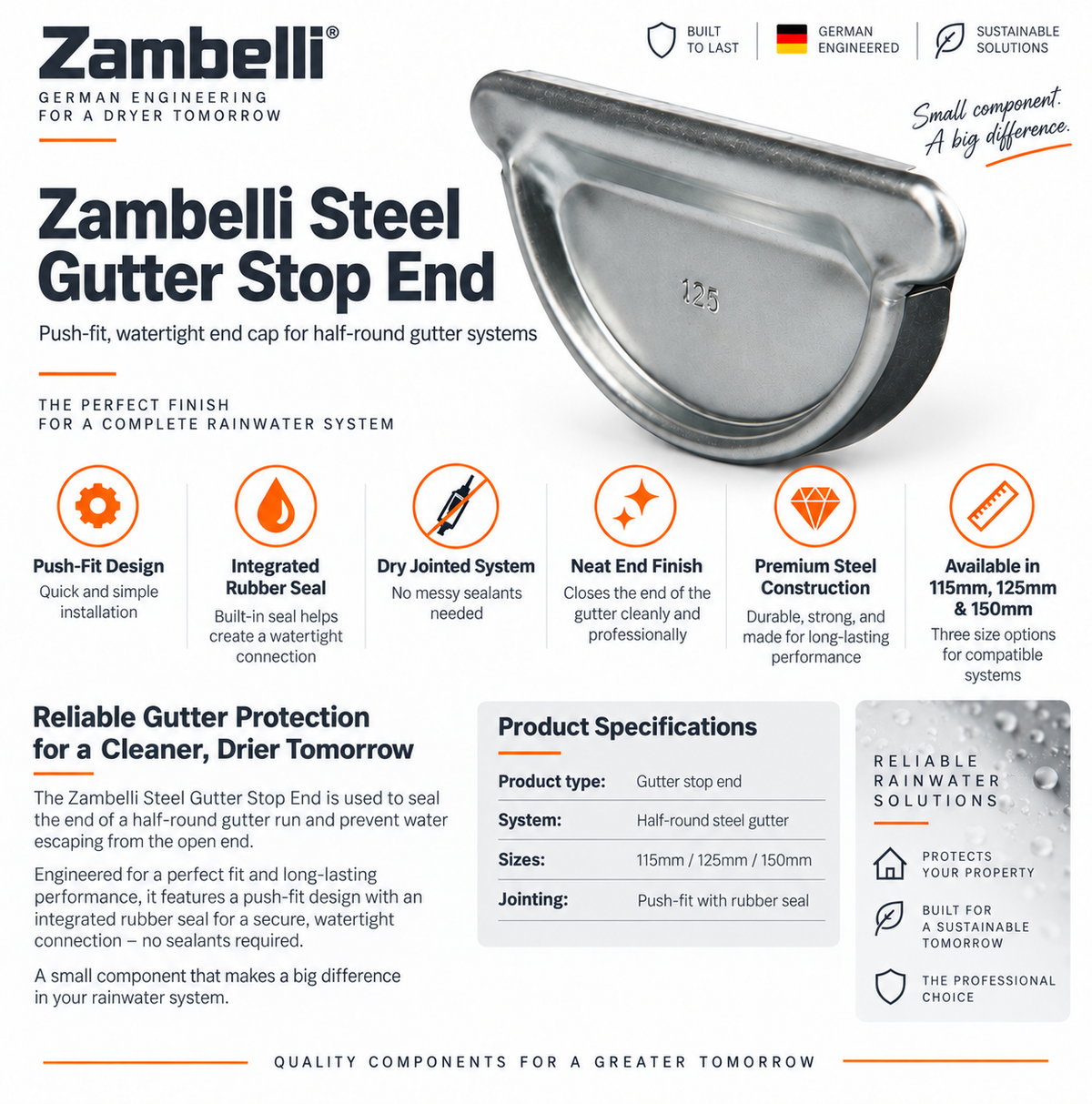
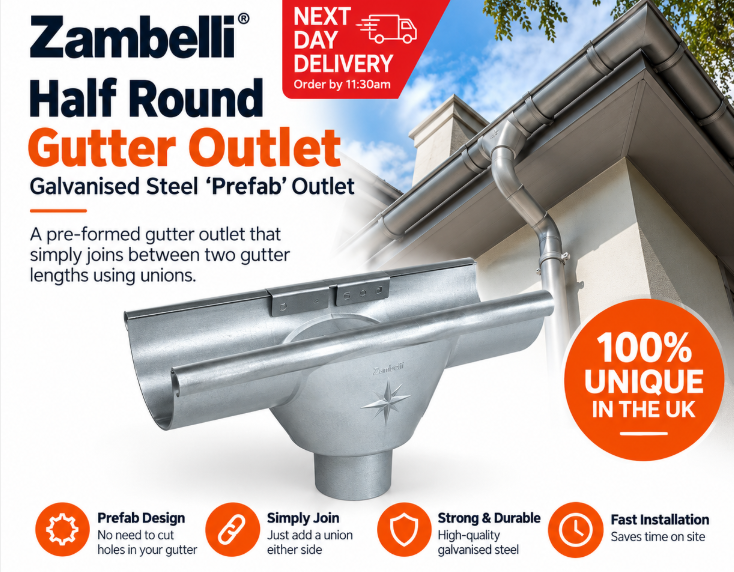
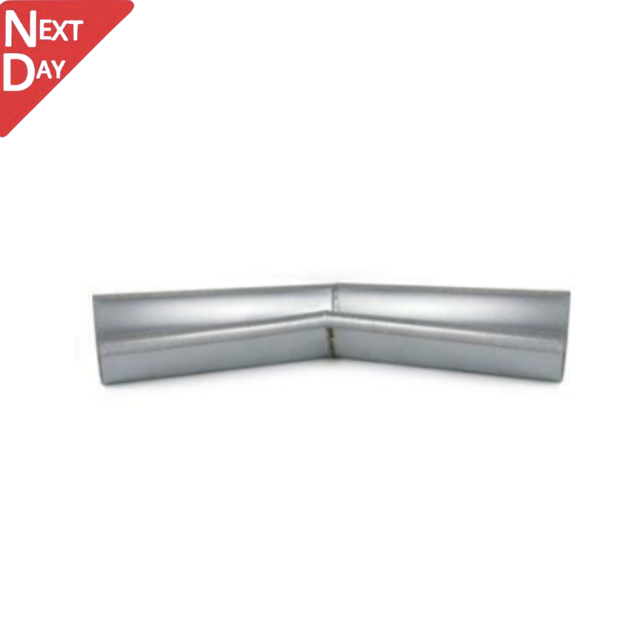
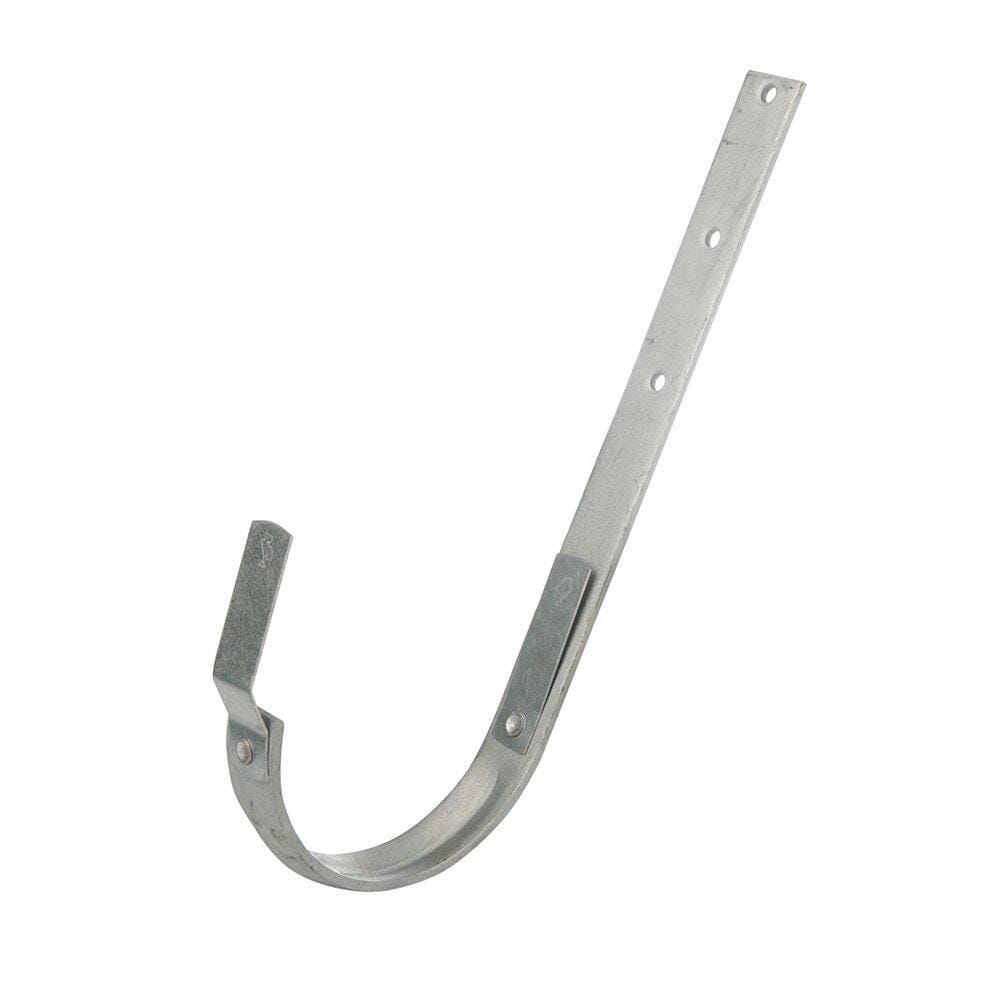
A typical Zambelli installation can include gutter lengths, fascia brackets, unions, stop ends, running outlets, gutter angles, bends, downpipes, downpipe brackets and shoes.
Using components from the same Zambelli system helps avoid problems with different profiles or connection sizes.
For straightforward roof runs, working out the parts is fairly simple. Buildings with several corners, extensions or multiple downpipes need a little more planning.
If you send us your roof measurements or a simple sketch, our team can help work out the main components and quantities required.
How Is Zambelli Galvanised Guttering Installed?
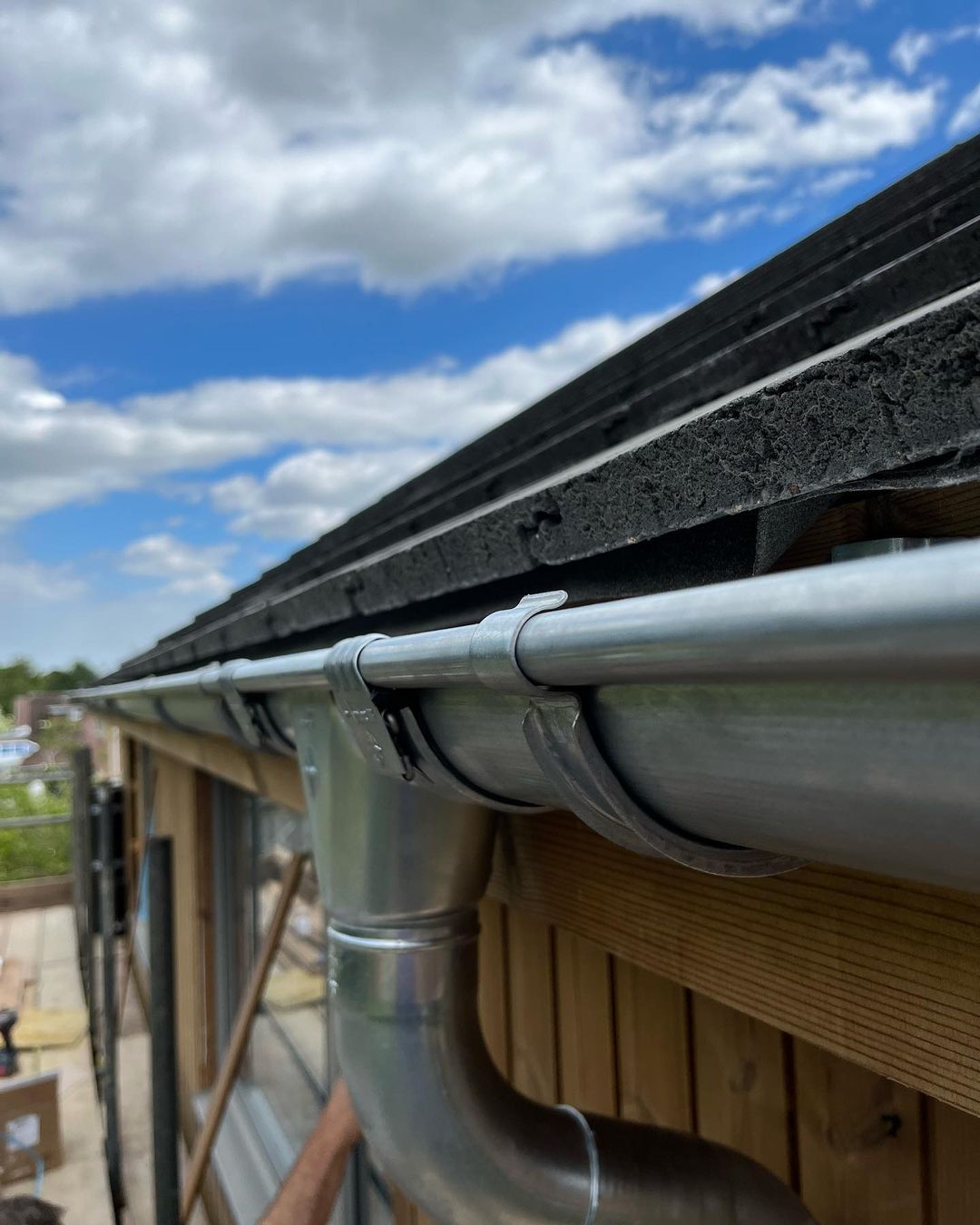
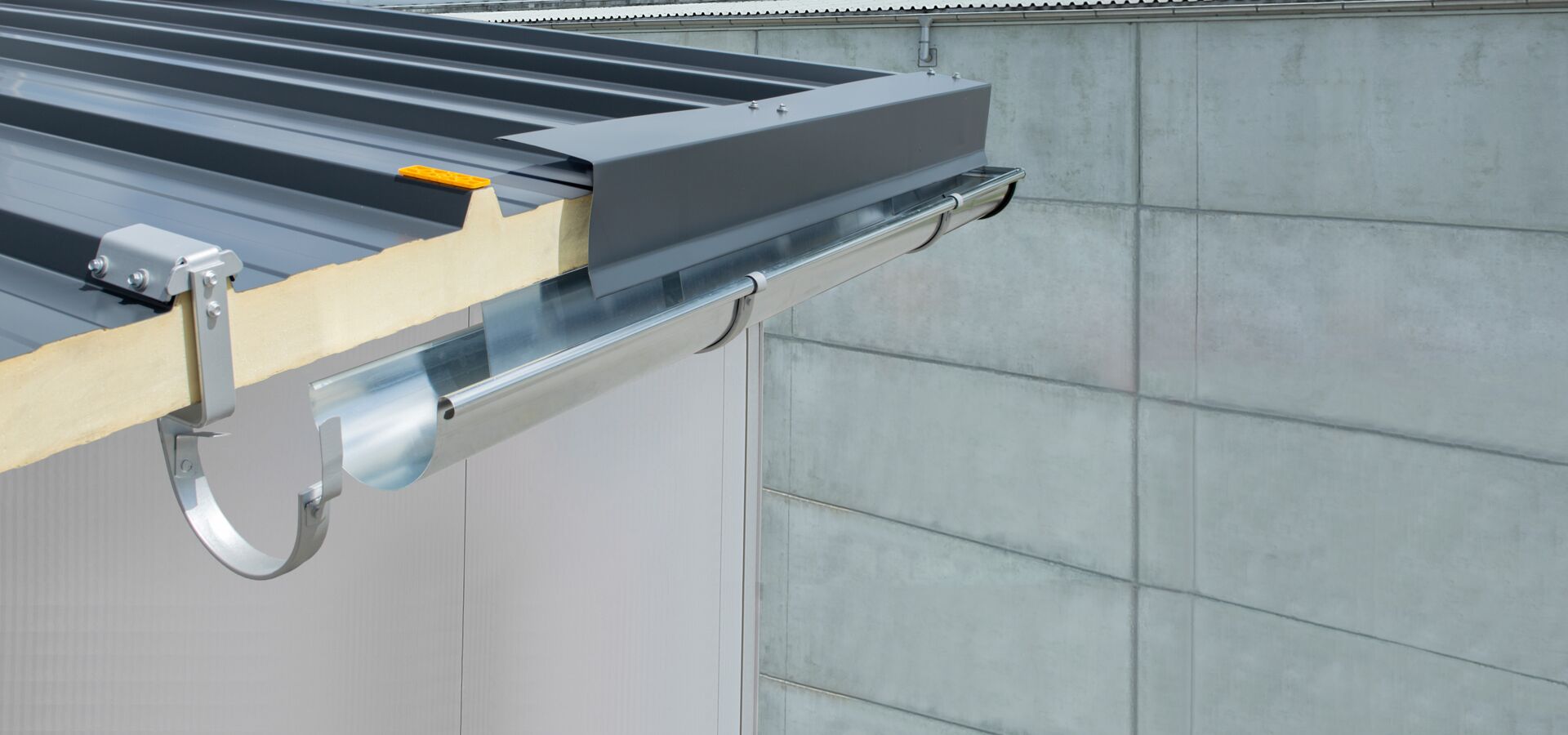
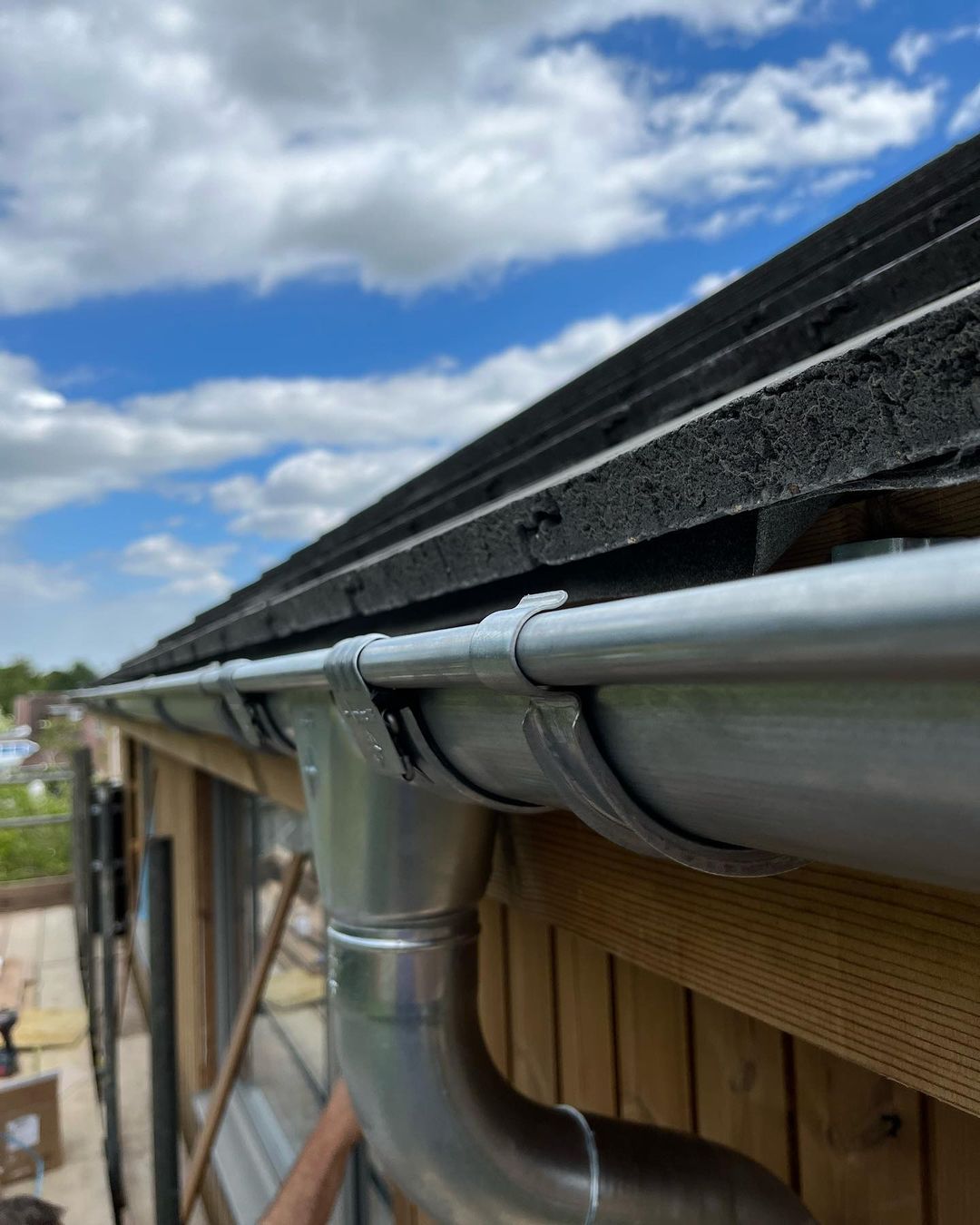
Zambelli galvanised guttering uses a traditional metal rainwater system with separate brackets, gutter lengths, connectors, outlets and downpipes.
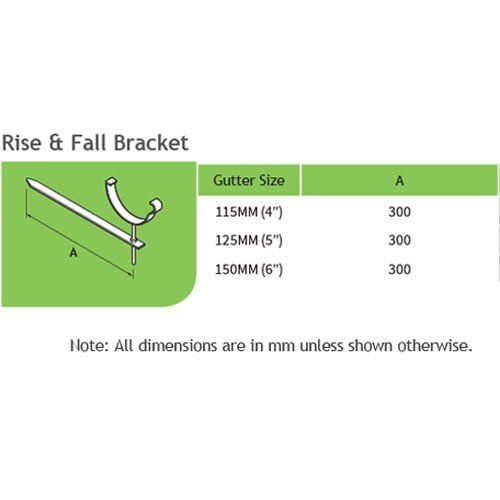
Correct bracket positioning matters. Zambelli’s technical data gives a maximum gutter-hook spacing of 900mm, with the gutter installed on a slight fall towards the outlet. Its installation guide recommends a fall of around 1–5mm per metre.
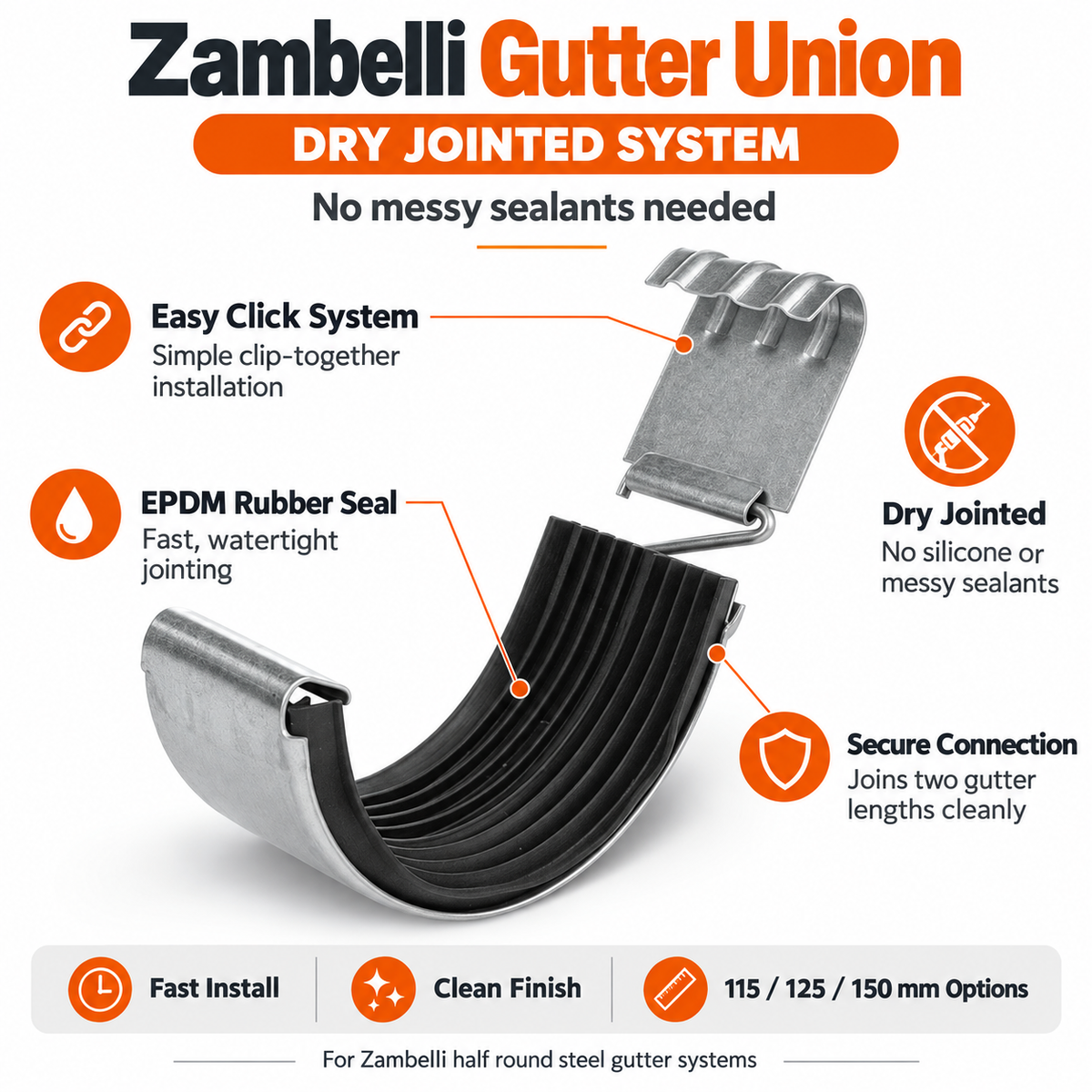
Gutter sections are joined using the matching Zambelli connectors, and outlets are positioned where the downpipes are planned. Corners, stop ends and bends complete the run where required.
Careful setting out before fixing the first bracket makes installation much easier, especially on longer elevations or roofs using several outlets.
For full fitting details, use the Zambelli installation guide before starting work.
View Installation Guide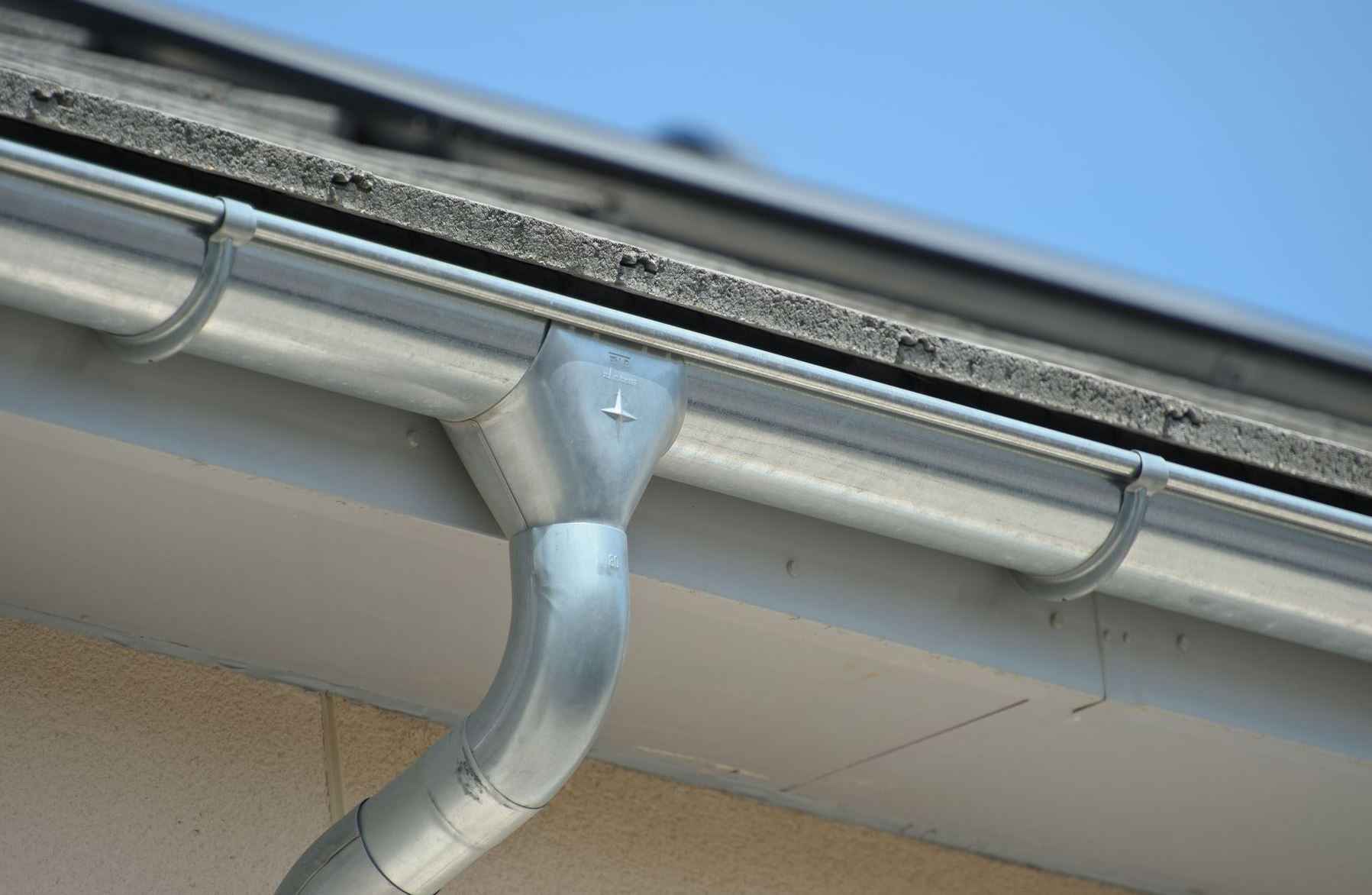
How Long Does Galvanised Steel Guttering Last?
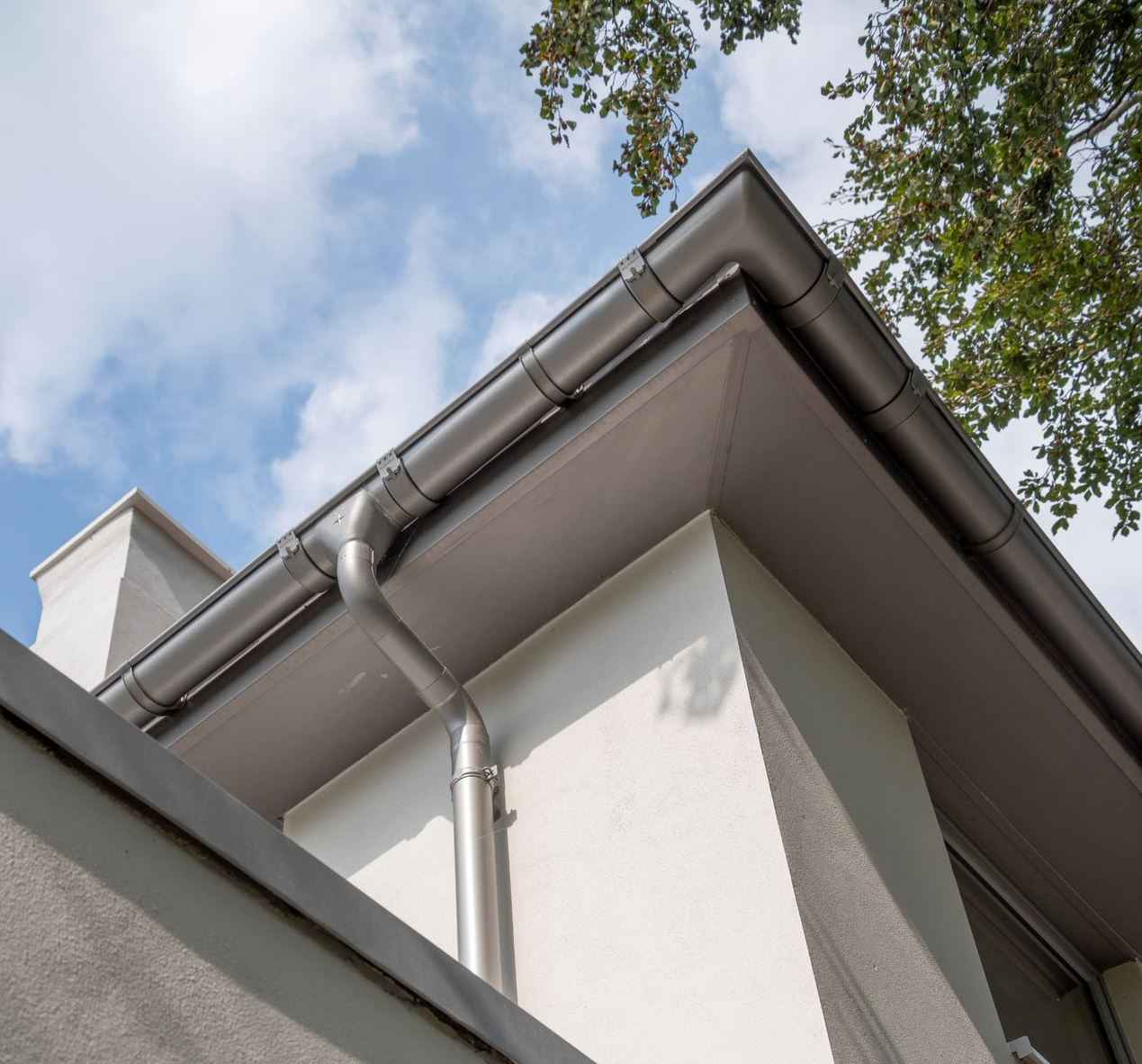
Galvanised steel guttering can last 25 years or more when it’s installed properly and looked after. In many cases it’ll go well beyond this, but location and exposure do matter.
The zinc coating protects the steel underneath from corrosion, which is why galvanised guttering works so well outdoors. Over time, the bright silver finish will usually dull down and become more muted. This is normal and doesn’t mean the steel is failing.
A coastal property, exposed site or industrial area can be harsher on metal guttering than a typical inland home, so it’s worth checking the system is suitable for the conditions before ordering.
Maintenance is pretty straightforward. Keep leaves and debris out of the gutters, check the outlets are clear and give the joints and brackets a quick inspection every so often.
For a lot of customers, lifespan is one of the main reasons for choosing galvanised steel over plastic. It costs more upfront, but you’re getting a much more substantial rainwater system.
Galvanised Steel Guttering vs Plastic Guttering
Plastic guttering is cheaper upfront and works well for plenty of standard domestic jobs. Galvanised steel costs more, but you get a much stronger and more rigid system with a slimmer, more traditional appearance.
Steel is less prone to flexing across longer runs and tends to suit period homes, barn conversions, workshops and properties with metal roofing particularly well. The galvanised finish gives it a more industrial appearance at first, before softening to a duller grey as it ages.
Huge Range of Colours
Free Samples Available Now
High
Lower
High
More flexible
Heavier
Lightweight
Metal / traditional
Standard domestic
Longer
Shorter
Lower
Higher
Galvanised Steel Guttering FAQs
How long does galvanised steel guttering last?
There isn’t one honest lifespan figure for every installation. In normal inland conditions, galvanised steel is a long-term system and its service life is measured in decades. Exposure, maintenance, drainage and nearby metals can each make a difference.
The galvanised layer protects the steel beneath, so keeping outlets clear and avoiding long periods of standing debris will help it age properly. The silver surface will become duller over time too. Completely normal, and part of how galvanised steel weathers outdoors.
Does galvanised steel guttering rust?
It can eventually corrode, but the zinc layer is there to protect the steel underneath.
One thing people sometimes mistake for ordinary rust is “white rust”. It tends to appear as a pale or powdery mark and can form when new galvanised steel stays wet without enough airflow. Zambelli warns against leaving products damp, sitting directly on the ground or tightly covered where condensation can become trapped.
Once fitted, keeping the gutter clear and allowing rainwater to drain freely helps the system do its job properly.
What does "RAL" mean?
“RAL” is the colour system used to identify metal paint colours. It makes purchasing easy. It means you can order from a supplier and be clear about the exact colour you are searching for.
Do galvanised steel gutters need room to expand?
Yes. Steel moves less than aluminium or zinc, but it still expands and contracts as temperatures change.
Zambelli gives steel a thermal movement figure of 0.012mm per metre per Kelvin. Its steel gutter-connector detail leaves a 5mm space between adjoining gutter lengths, allowing movement through the joint.
This becomes more relevant on long uninterrupted runs. Pushing two gutter lengths tightly together can remove the movement allowance built into the system.
Can galvanised steel guttering be used near the coast?
We wouldn’t give a blanket yes for bare galvanised steel on every coastal property. Salt exposure creates a harsher environment for metal, and two buildings in the same town can have very different exposure depending on distance from the sea, elevation and prevailing wind.
For a coastal project, send us the postcode and a few details about the building before ordering. We can check which Zambelli finish is suitable.
Zambelli's newer COLORDUR coated steel, for example, carries corrosion protection up to RC4 and is listed for coastal and industrial atmospheres.
Will galvanised guttering work with standing seam roofing?
Yes, in many cases. The metal used for the roof matters more than the standing seam profile itself.
Zambelli lists galvanised steel as compatible with aluminium, zinc, lead and stainless steel. Copper is different. Zambelli marks copper and galvanised steel as an unsuitable metal pairing, so copper roofing or components need extra care when planning the rainwater system.
If you’re unsure what your roof is made from, send us the roof specification before ordering.
Can you send me samples?
We can offer samples if you send us your requirements beforehand. In some cases, we may be able to send you a steel guttering component before purchase.
How should galvanised guttering be stored before installation?
Keep it dry, raised off the ground and somewhere with airflow.
Zambelli recommends storing galvanised steel indoors or under suitable cover, on timber or metal pallets and away from chemical contamination. Rapid temperature changes can create condensation, which raises the risk of white rust.
If the guttering has to sit outside before installation, keep it raised and slightly inclined so water can drain away. Leave some air space beneath the cover too. Wrapping wet galvanised steel tightly under a tarpaulin is exactly what you don't want.
If we still haven't answered your question, you can contact us below and we will get back to you as soon as possible.