Yes - copper gutters can increase a home’s perceived value, and in the right context, they can genuinely support a higher sale price.
But they don’t add value in every situation, and that nuance matters.
This guide explains when copper gutters help, when they don’t, and why estate agents and buyers notice them more than people expect.
Why Copper Gutters Stand Out to Buyers
Copper gutters sit in a different category to most rainwater systems.
They’re not chosen because they’re cheap or easy — they’re chosen because they often signal quality and intent.
When buyers see copper, they usually (even subconsciously) read it as:
-
premium material
-
long-term thinking
-
attention to detail
-
“This house hasn’t been done on the cheap”
That perception alone can influence how a property is valued, especially when copper is consistent with the rest of the home.
The Role of Patina (and why it matters for value)
One of copper’s biggest value drivers is how it ages.
Unlike painted systems, copper doesn’t deteriorate visually.
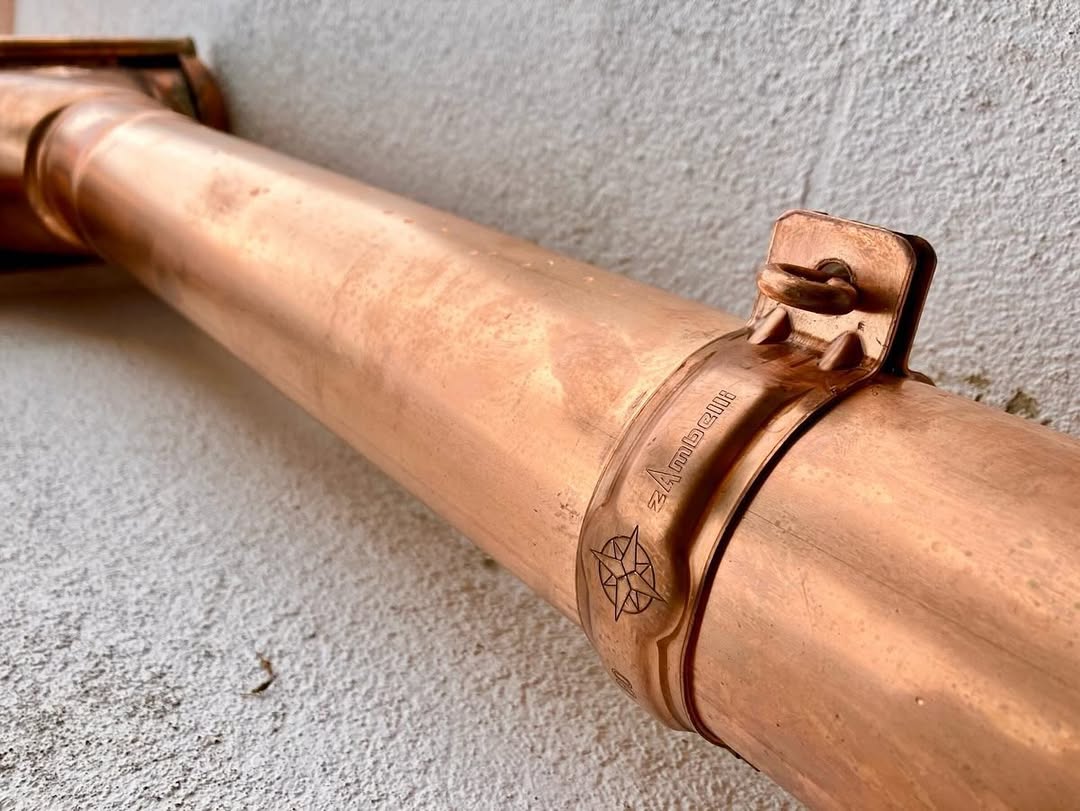
It develops a natural patina - first darker browns, then deeper tones, and eventually greens in some environments. Buyers familiar with quality materials see this as character, not wear.
That ageing process:
-
signals longevity rather than decline
-
reassures buyers they won’t need to repaint or replace
-
gives the property a “settled” look that new materials often lack
In valuation terms, that reduces perceived future maintenance — which absolutely affects buyer confidence.

Where Copper Gutters Add The Most Value
Copper gutters don’t add value equally across all property types.
They work best on:
-
period and character homes
-
high-end renovations
-
properties with slate or clay tile roofs
-
homes where external materials are already premium
-
visible elevations where detailing matters
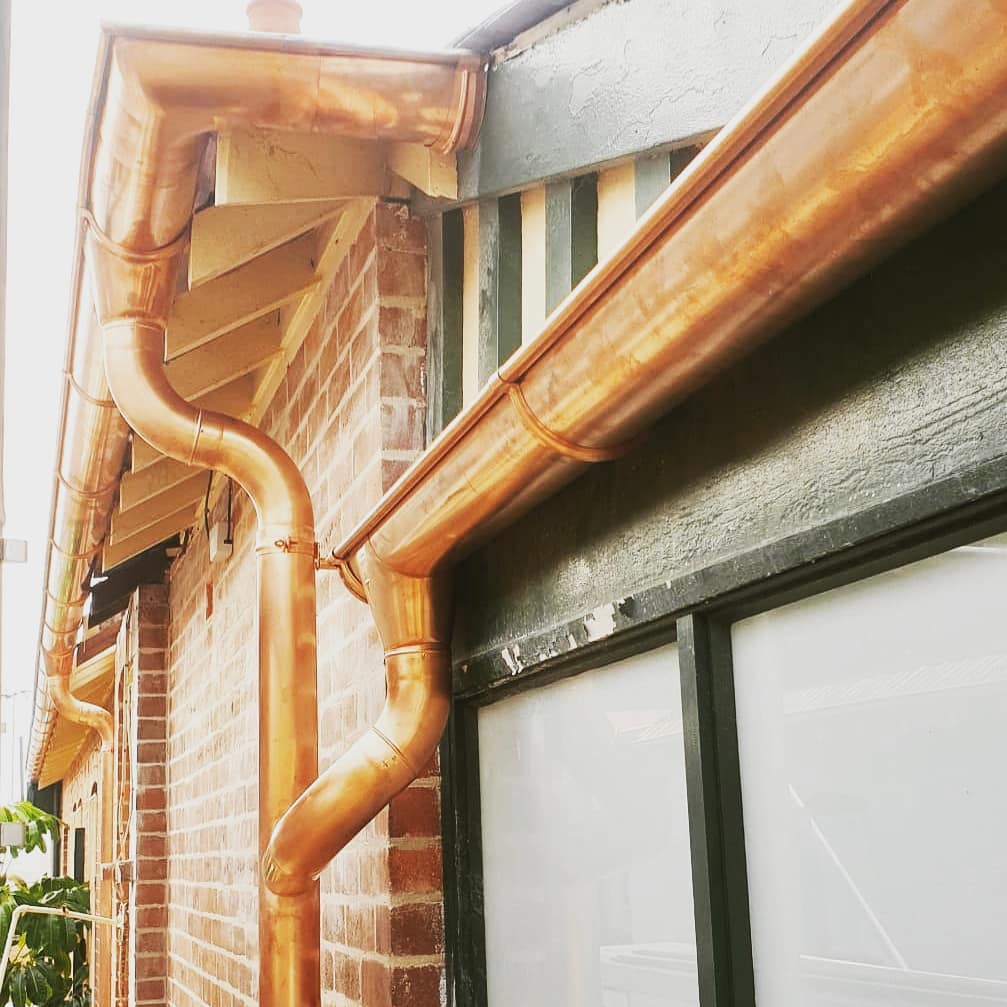
On these properties, copper feels appropriate because it aligns naturally with the materials, proportions and intent of the building. It doesn’t draw attention to itself in a forced way; instead, it quietly reinforces the sense that the house has been thought through properly. When copper sits alongside slate roofs, stonework, brick façades or traditional detailing, it looks like it belongs there. Rather than standing out as an upgrade, it blends into the architecture and elevates it, adding depth and character without competing with the rest of the exterior.
Estate agents often describe this effect as “coherent quality”. It’s the feeling buyers get when nothing looks like an afterthought. The gutters match the tone of the roof, the copper downpipes sit comfortably against the walls, and the materials all feel of a similar calibre. Even buyers who don’t consciously notice copper guttering tend to sense that the exterior works as a whole.
That sense of cohesion builds confidence, and confidence is a big driver in how a property is perceived and, ultimately, how much someone is willing to pay for it!
When copper gutters don’t add value (important)
This part is often skipped, but it does matter.
Copper gutters are unlikely to add value if:
-
the house is very budget-led
-
other external materials are low-grade
-
the guttering isn’t visible from key angles
-
the rest of the property hasn’t been upgraded
In those cases, copper can feel out of place. Buyers may appreciate it, but they won’t necessarily pay more for it.
In other words: copper adds value when it reinforces an overall quality story.
Cost vs value: what buyers actually respond to
Copper guttering costs more upfront — there’s no avoiding that. But buyers don’t think in terms of “what did this cost to install?” They think in terms of:
-
what won’t need doing
-
what won’t need replacing
-
what feels durable and permanent
Copper scores highly on all three.
Unlike plastic systems that quietly date or painted metals that eventually need attention, copper looks intentional year after year.
That lowers the mental “to-do list” for buyers - and that’s where value is created.
Copper gutters vs other premium metals (value-wise)
Compared to other high-quality options:
-
vs aluminium guttering: copper feels more substantial and long-lived
-
vs galvanised steel guttering: copper avoids repainting cycles
-
vs zinc gutters: copper is often seen as more traditional and expressive
Zinc and copper both add value, but copper tends to stand out more visually, particularly on traditional homes. Zinc is subtler; copper is more expressive.
Neither is “better” universally, but copper’s visibility can influence first impressions more strongly.

The Quartz Zinc gutter (pictured above) weathers over time to a "dull-grey" look.
Practical considerations buyers care about (even if they don’t say it)
Buyers often won’t ask detailed questions about guttering — but they notice:
-
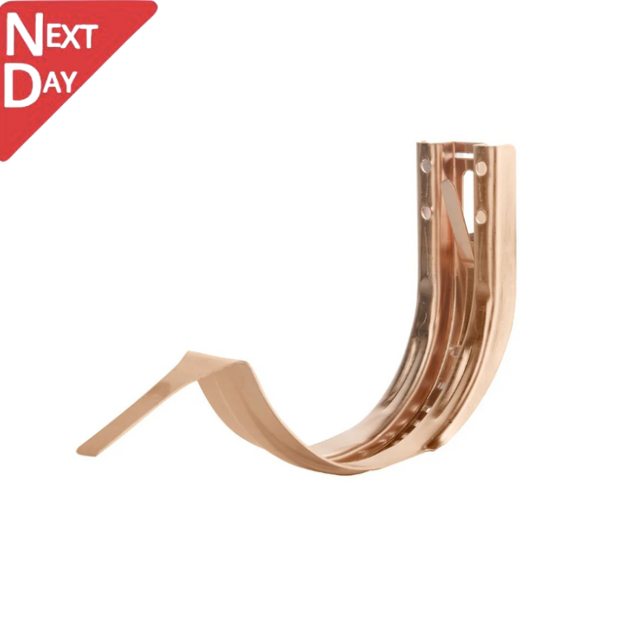
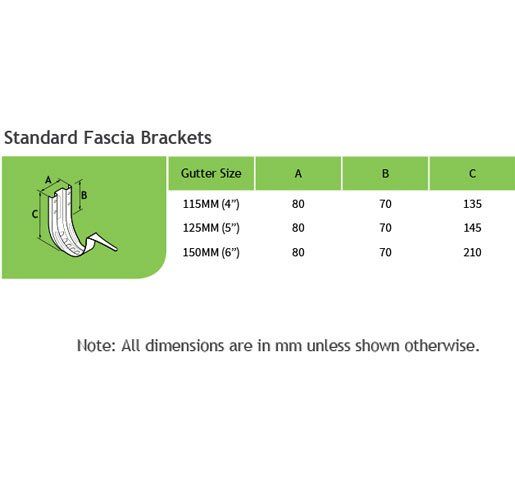
solid brackets
-
clean joint lines
-
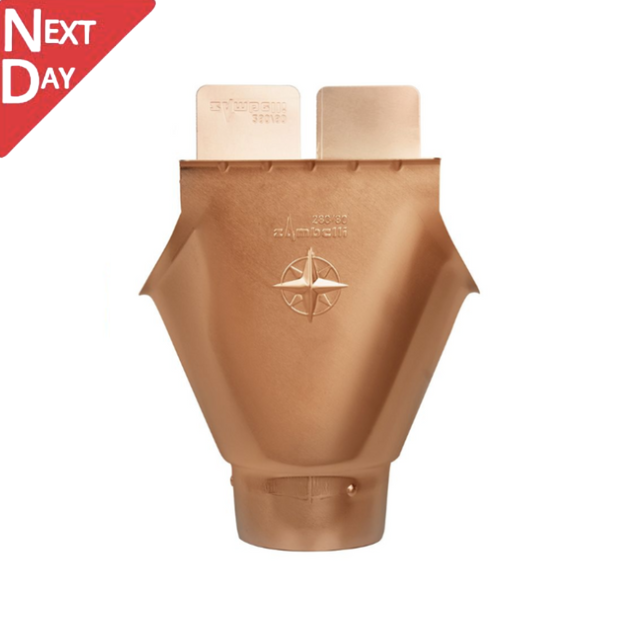
quality downpipes
-
materials that look like they belong
Copper rainwater systems, when installed properly, tend to tick all of those boxes naturally.
They also carry an assumption of low future hassle, which matters a lot during purchase decisions.
Availability and replacement confidence
One hidden factor in value is replacement confidence.
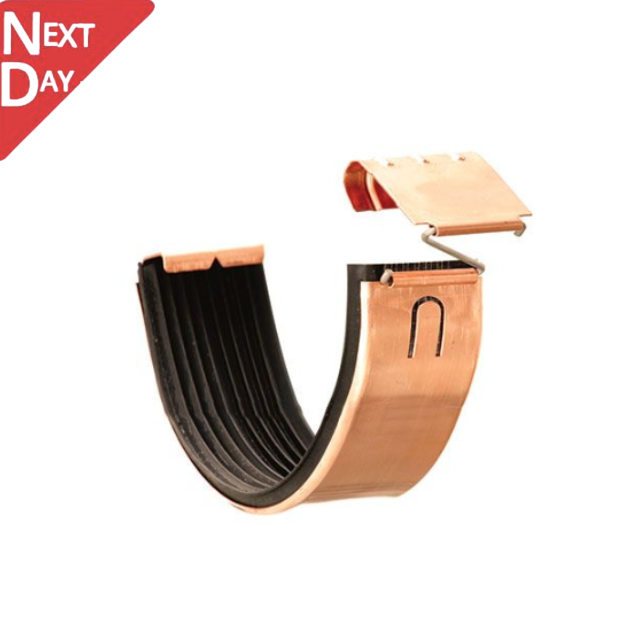
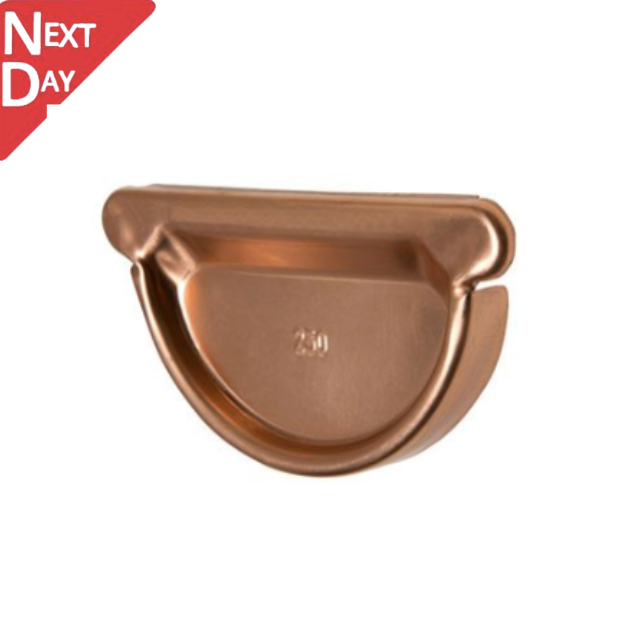
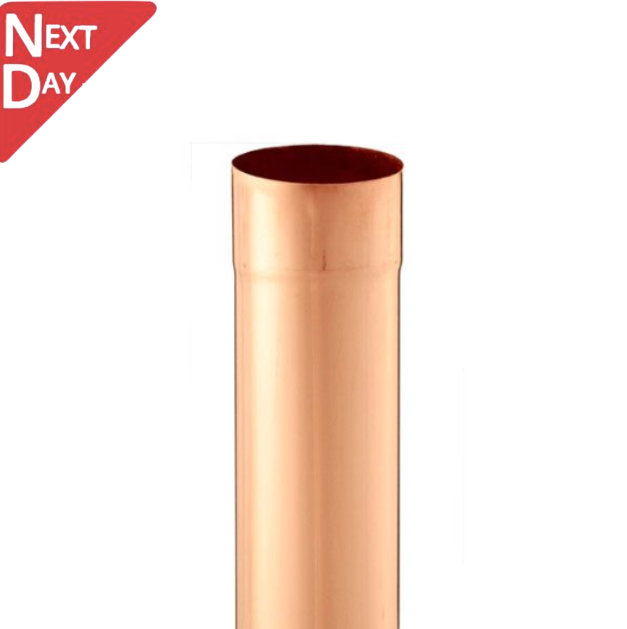
Knowing that a copper system — such as those from Zambelli — is readily available UK-wide with next working day delivery reassures buyers and surveyors alike. It means:
-
damaged sections can be replaced
-
extensions can be matched
-
the system isn’t “obsolete”
That matters more than people realise, especially on higher-value homes.

So… do copper gutters increase home value?
They can — and often do — but only when they make sense for the property.
Copper gutters add value by:
-
improving first impressions
-
reinforcing build quality
-
reducing perceived future maintenance
-
signalling long-term thinking
They don’t magically add thousands on their own. But on the right home, they help push a property into a higher-quality bracket — and that absolutely influences saleability and price.
Bottom line
Copper gutters are best thought of as a value amplifier, not a shortcut.
If the house already has character, quality materials, and thoughtful detailing, copper guttering supports that story and can strengthen buyer confidence. If the rest of the property doesn’t support it, the value uplift will be limited.