
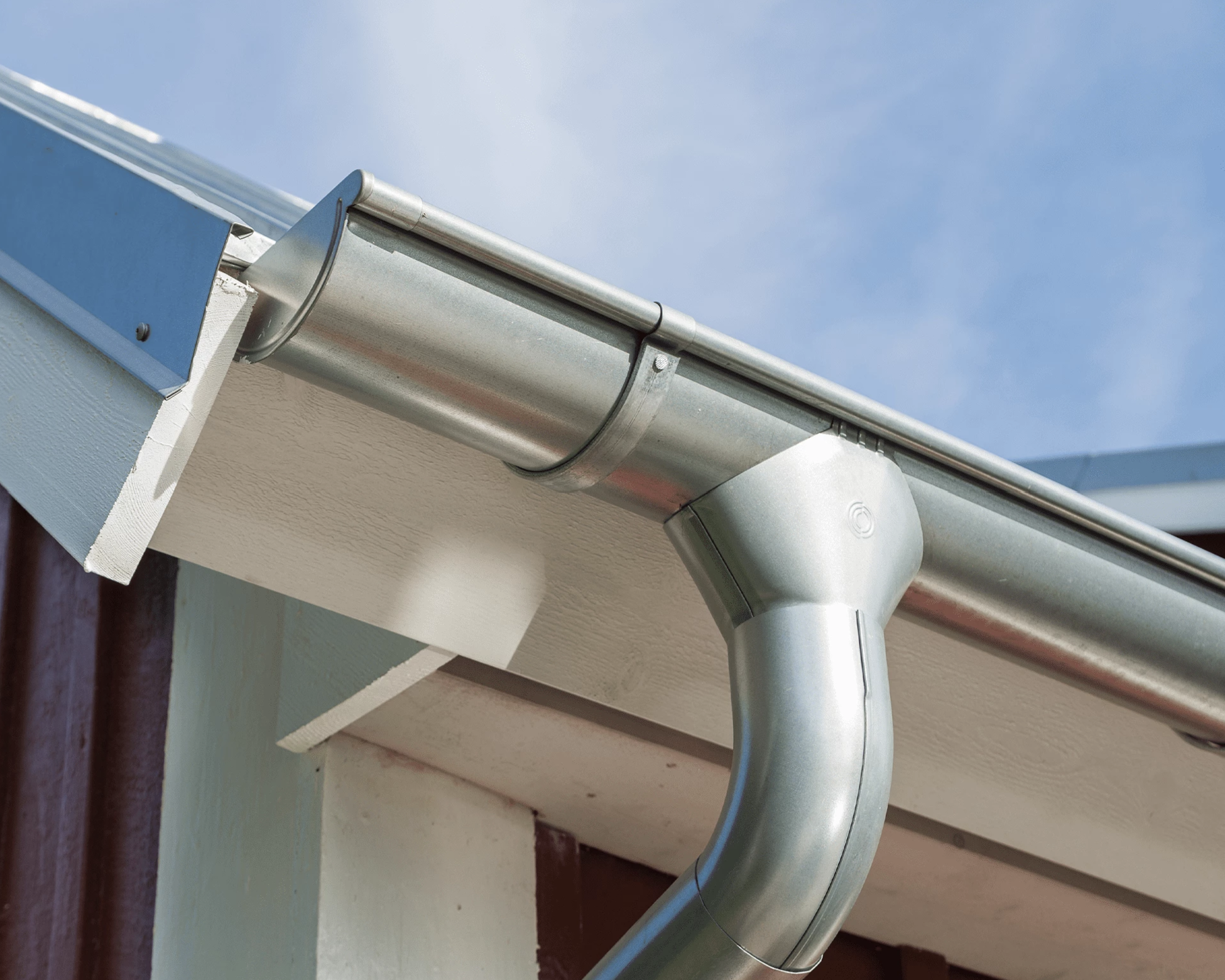
Short answer (straight to it)
Most Lindab gutters should be cleaned once a year.
Some need cleaning twice a year.
A few need it more often.
Which one applies to you depends on what falls into the gutter, not the gutter itself.
This guide explains how to tell the difference — quickly and realistically.
Why cleaning still matters with Lindab gutters
Lindab gutters are steel, well-coated, and far more durable than plastic. That helps with longevity, but it doesn’t stop leaves, moss and grit ending up where they don’t belong.
Cleaning isn’t about protecting the steel day-to-day.
It’s about keeping water moving.
Blocked or partially blocked gutters cause:
-
overflow in heavy rain
-
water sitting where it shouldn’t
-
extra stress at joints and outlets
All of those problems are avoidable with sensible maintenance.
The realistic cleaning intervals (no scare tactics)
Once a year — fine for most homes
Annual cleaning is usually enough if:
-
there are no overhanging trees
-
the roof doesn’t shed a lot of moss
-
the gutters drain freely in heavy rain
-
you don’t see staining or overflow
For many houses, late autumn or early winter is the best time — after most leaves have fallen.
Twice a year — very common
You should plan on spring + autumn cleaning if:
-
trees are nearby (even next door)
-
you regularly see leaves or seeds in the gutter
-
moss washes off the roof during rain
-
one outlet tends to block before the others
This isn’t overkill — it’s just matching maintenance to conditions.
More often — only in specific situations
More frequent checks are sensible if:
-
you’re surrounded by mature trees
-
the house is in a sheltered or damp location
-
gutters overflow even after cleaning
-
you’ve had blockages cause problems before
In these cases, quick visual checks after storms are often enough. You don’t always need a full clean — just make sure water is getting away.

What happens if Lindab gutters aren’t cleaned?
Steel gutters don’t suddenly fail because they’re dirty, but neglect causes knock-on issues:
-
debris holds moisture against joints
-
water sits instead of draining cleanly
-
fine grit builds up and stays wet
-
outlets become the weak point
Over time, this leads to:
-
overflow blamed on “capacity”
-
staining on walls
-
unnecessary worry about corrosion
The gutter is rarely the problem. The blockage is.
What cleaning actually involves (and what it doesn’t)
A proper clean is simple:
-
remove leaves, moss and sludge
-
clear outlets and check downpipes flow freely
-
rinse through if needed
You do not need:
-
aggressive scraping
-
pressure washing at close range
-
harsh chemicals
The coating is tough, but there’s no benefit in abusing it.
DIY or professional cleaning?
DIY is usually fine if:
-
the property is single storey
-
you can access the gutter safely
-
you’re comfortable working methodically
Professional cleaning makes sense if:
-
the house is two storeys or more
-
access is awkward
-
you want someone to spot early issues
The goal isn’t who does it — it’s that it actually gets done.
A simple rule to remember
If you want Lindab gutters to stay trouble-free:
-
Clean them at least once a year
-
Twice if trees or moss are involved
-
Check after storms if problems have happened before
That’s it. No complicated schedules, no scare stories.
Bottom line
Lindab gutters don’t need constant attention, but they do need periodic clearing so water can flow freely.
Get the cleaning interval right for your environment, and the system will quietly do its job year after year without drama.
If you ever find yourself cleaning the same outlet repeatedly, that’s not a cleaning issue — it’s a layout or capacity question worth looking at next.