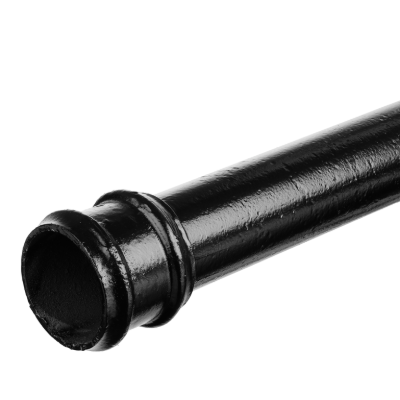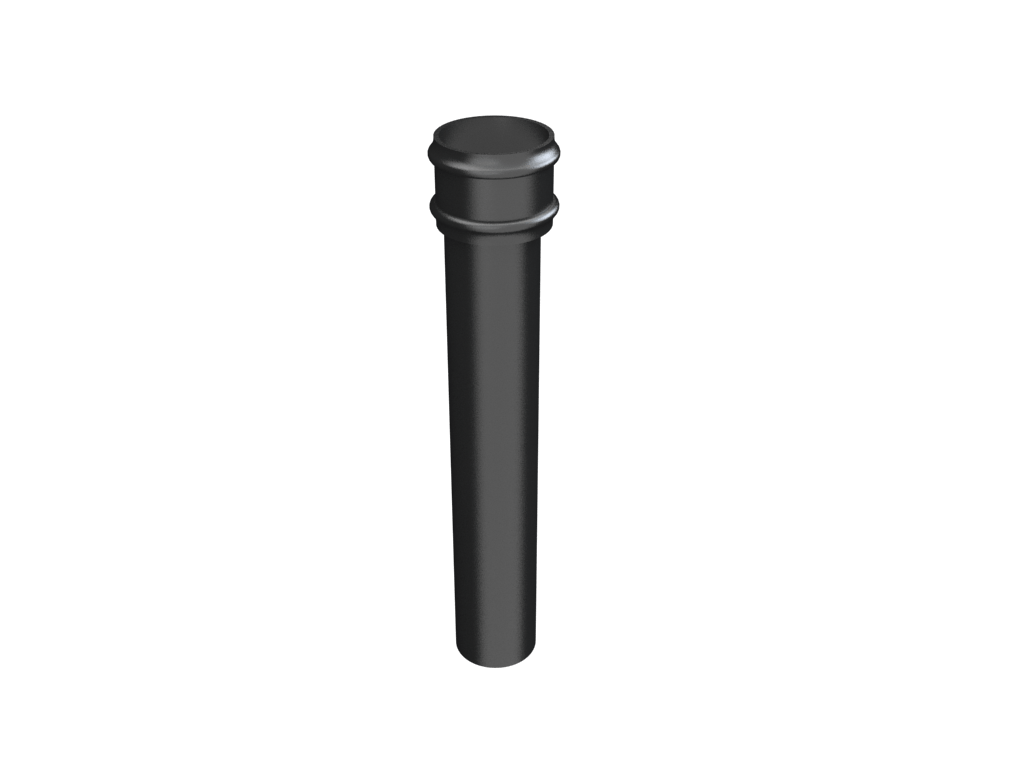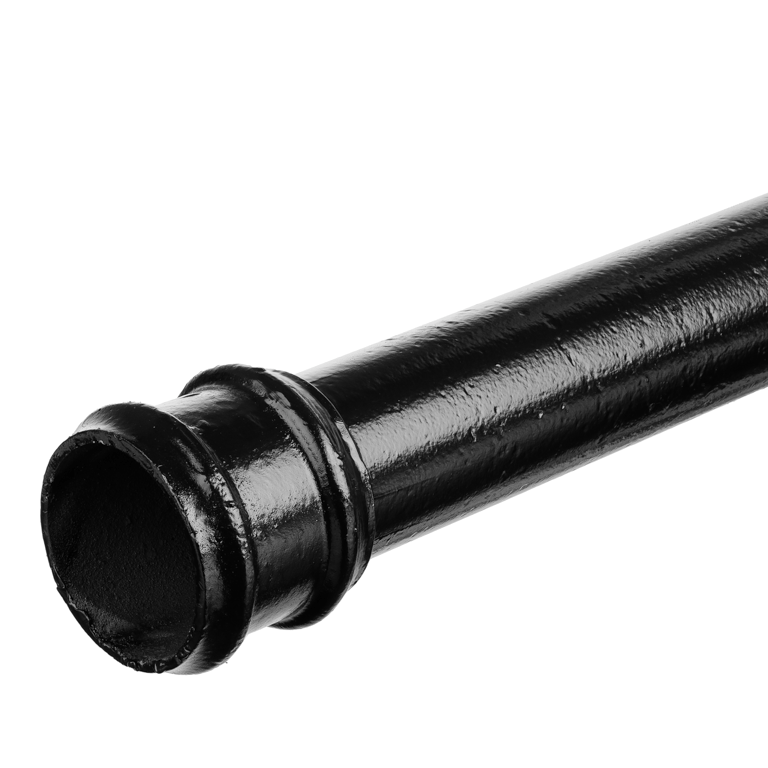

Cast iron gutters are admired for their strength, longevity, and timeless character. If you own a period property or a heritage-style home, chances are they’re one of its most defining features. But here’s the question most homeowners quietly worry about:
How often should cast iron gutters actually be cleaned and maintained to avoid expensive damage?
Leave them too long and you risk blockages, rust, damp walls, and even structural issues. Overdo it, and you waste time and money unnecessarily. This guide breaks it all down clearly, so you know exactly what to do, when to do it, and why it matters.
How Often Should Cast Iron Gutters Be Cleaned and Maintained?
The Short Answer (For Busy Homeowners)
Cast iron gutters should be cleaned at least twice a year, with a full inspection and maintenance check once a year.
However, that’s only the baseline. The right frequency depends on your surroundings, weather exposure, and the age of the guttering system.

Recommended Cleaning Schedule for Cast Iron Gutters
Biannual Cleaning: The Minimum Standard
For most UK homes, the safest approach is:
-
Once in late spring – clears blossom, moss, and debris from winter
-
Once in autumn – removes fallen leaves and organic matter before winter
This prevents water from backing up, overflowing, or sitting inside the gutter long enough to cause corrosion.
When Cleaning Needs to Be More Frequent
You may need to clean cast iron gutters three or even four times a year if:
-
Your property is surrounded by trees
-
You live in an area with heavy rainfall
-
Moss growth is common on your roof
-
Birds regularly nest near the guttering
-
The gutters are older or previously neglected
In these cases, debris builds up faster and holds moisture against the iron, accelerating rust. We also produced a helpful guide on how to clean metal gutters.

How Often Should Cast Iron Gutters Be Maintained?
Cleaning removes debris. Maintenance prevents long-term damage. Both are essential.
Annual Maintenance Inspection (Minimum)
At least once a year, cast iron gutters should be checked for:
-
Hairline cracks or fractures
-
Early signs of rust or flaking paint
-
Loose brackets or joints
-
Misaligned sections affecting water flow
This inspection is best done after cleaning, when issues are easier to spot.
Repainting and Rust Protection
Cast iron is incredibly durable, but only when protected.
-
Repainting is typically needed every 5–10 years
-
High-exposure areas may need attention sooner
-
Any exposed metal should be treated immediately to stop rust spreading
Delaying paintwork is one of the most common (and costly) mistakes homeowners make. You should also read our guide on how to prepare cast iron gutters for repainting.
Why Regular Cleaning Is Critical for Cast Iron Gutters
1. Prevents Rust From the Inside Out
Blocked gutters trap water.
Standing moisture is the enemy of cast iron, especially when mixed with decaying organic matter that creates mild acids.
Over time, this leads to:
-
Internal corrosion
-
Pinholes
-
Structural weakening
2. Protects Walls, Brickwork, and Foundations
Overflowing gutters don’t just look untidy. They allow water to run down walls, causing:
-
Damp penetration
-
Stained masonry
-
Damage to pointing and render
-
Long-term foundation issues
Cast iron gutters are heavy. If water builds up, the added weight can stress fixings and joints. Consider using our gutter guard, which helps to reduce debris build-up.
3. Preserves the Value and Character of Your Property
Cast iron guttering is often installed on listed or period homes. Poor maintenance can:
-
Reduce kerb appeal
-
Violate conservation guidelines
-
Lead to costly replacements that could have been avoided
Signs Your Cast Iron Gutters Need Immediate Attention
Don’t wait for your next scheduled clean if you notice any of these:
-
Water spilling over the edges during rain
-
Visible rust patches or bubbling paint
-
Sagging or pulling away from the wall
-
Damp marks below the gutter line
-
Plants or moss growing inside the gutter
These are warning signs that maintenance has been delayed.
Can You Clean Cast Iron Gutters Yourself?
DIY Cleaning: When It’s Appropriate
You can clean them yourself if:
-
The gutters are easily accessible
-
You have safe ladder access
-
You’re comfortable working at height
-
The system appears structurally sound
Basic tools include gloves, a small scoop, a bucket, and a hose.
When to Call a Professional
Professional cleaning and inspection is strongly advised if:
-
The building is tall or awkwardly positioned
-
Gutters show signs of rust or cracking
-
Sections are loose or leaking
-
The property is listed or historically significant
A professional can spot early-stage problems that are easy to miss from ground level.
Cast Iron Gutters vs Modern Alternatives: Maintenance Comparison
| Gutter Type | Cleaning Frequency | Maintenance Needs |
|---|---|---|
| Cast Iron | 2–4 times/year | Painting & rust treatment |
| Aluminium Guttering | 1–2 times/year | Minimal |
| uPVC | 1–2 times/year | Low, but shorter lifespan |
Cast iron requires more care, but rewards you with decades – even centuries – of service when maintained correctly.
Best Time of Year to Clean and Maintain Cast Iron Gutters
-
Spring: Clears winter debris and prepares for rainfall
-
Autumn: Essential before leaf fall and freezing temperatures
-
Avoid winter: Cold makes cast iron more brittle and paint repairs unreliable
Planning maintenance at the right time reduces risk and improves results.
Conclusion: The Smart Maintenance Rule to Remember
If you remember nothing else, remember this:
Clean cast iron gutters at least twice a year, inspect them annually, and never ignore early signs of rust.
This simple routine protects your home, preserves its character, and saves you thousands in avoidable repair costs.
If you own cast iron gutters, you don’t just have a drainage system – you have a long-term asset. Treat it like one.

Did you know we also offer primed (unpainted) cast iron guttering? Check out our collection.