Filters
Aluminium Decking
Aluminium decking is a smart choice when you want an outdoor surface that feels strong, safe, modern, and easy to live with.
Whether you are upgrading a garden terrace, fitting decking around a balcony, creating access walkways, or working on a commercial project, aluminium offers a reassuring mix of durability, safety, and low maintenance.
Benefits of Aluminium Decking
Aluminium decking has several benefits that make it stand out from more traditional decking materials. It is strong, stable, and built for long-term use, while also offering a clean modern look that suits many outdoor spaces.
Durability
One of the biggest advantages of aluminium decking is its durability. Aluminium is a strong material that can withstand regular use without the same level of wear you might expect from timber or some lower-grade alternatives.
It does not split, splinter, crack, or rot. This makes it a reassuring choice for areas where the deck needs to stay safe and presentable over time. If you are working on a space that will see plenty of footfall, heavy furniture, or regular outdoor use, aluminium gives you a dependable surface that can cope.
Its strength also makes it well suited to commercial and public-facing spaces. Balconies, walkways, terraces, hospitality areas, and communal outdoor zones all need decking that can perform day after day. Aluminium is designed for that kind of reliability.
Maintenance
Aluminium decking is a low-maintenance option, which is one of the main reasons many buyers choose it. Unlike wood, it does not need regular staining, oiling, sealing, or painting to keep it protected.
In most cases, routine cleaning is enough to keep aluminium boards looking tidy. Dirt, leaves, and everyday outdoor grime can usually be removed with sweeping and occasional washing. This is especially useful for busy households, landlords, facilities managers, and commercial sites where ongoing maintenance time needs to be kept under control.
Low maintenance does not only save effort. It can also reduce long-term costs. When a deck needs fewer treatments and less frequent repair work, it becomes easier to manage over its lifespan.
Weather Resistance
British weather can be tough on decking. Rain, frost, wind, damp conditions, and temperature changes can all affect outdoor materials. Aluminium handles these conditions extremely well.
It does not absorb moisture in the same way as timber, so it will not swell, rot, or warp because of wet weather. It is also resistant to rust, making it suitable for exposed areas where rain and moisture are regular concerns.
This makes aluminium a practical choice for balconies, roof terraces, coastal areas, shaded gardens, and spaces that do not dry out quickly. If you want decking that can remain stable through changing seasons, aluminium is a very dependable material.
Safety
Safety is a major reason to consider aluminium decking, especially for raised decks, balconies, communal areas, and commercial projects.
Many aluminium decking systems are designed with slip-resistant surfaces to help provide secure footing in wet conditions. This can be particularly important in the UK, where outdoor surfaces are often exposed to rain.
Aluminium is also non-combustible, which makes it a strong choice for projects where fire performance is important. This is one of the reasons aluminium decking is commonly used for balconies and multi-storey residential developments.
For family homes, rental properties, public spaces, and managed buildings, aluminium offers extra peace of mind. It gives you a solid outdoor surface that has been designed with performance and safety in mind.
Aesthetics
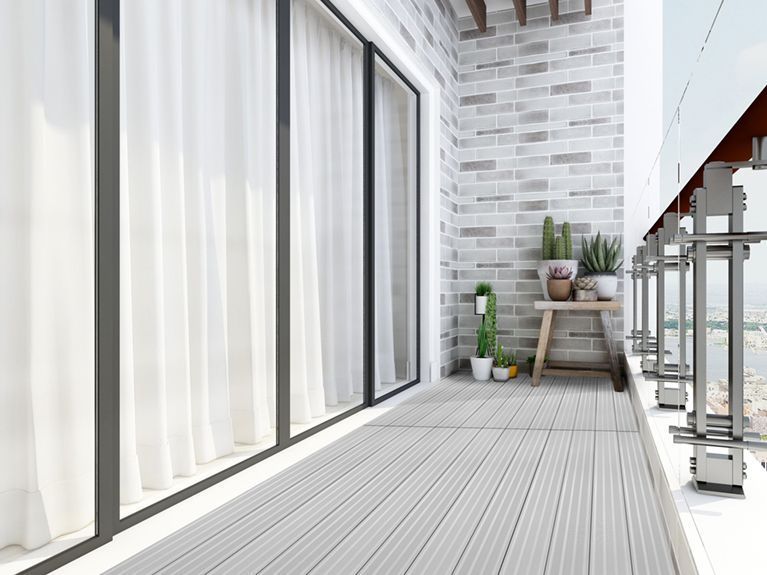
Aluminium decking is not only practical. It also has a crisp, modern appearance that works well with contemporary buildings, garden rooms, balconies, and architectural outdoor spaces.
The finish is usually clean and consistent, which can give a deck a smart, refined look. It pairs well with glass balustrades, aluminium cladding, steel details, rendered walls, and modern garden landscaping.
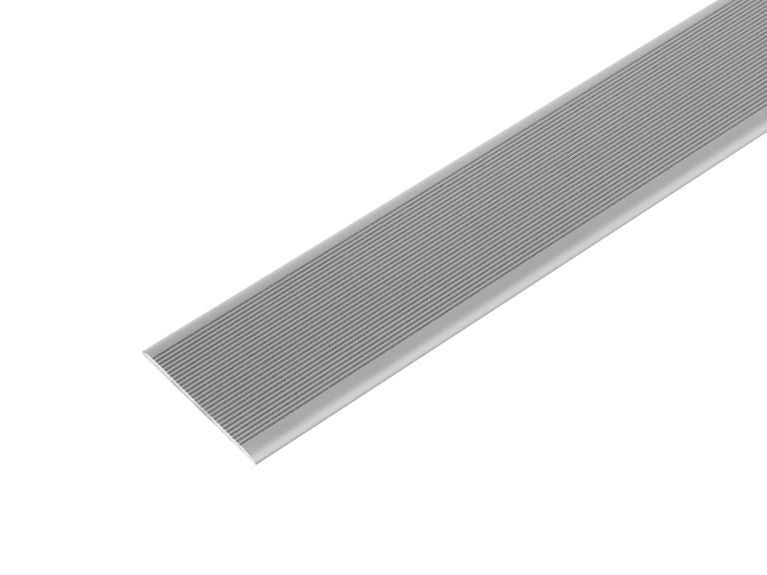
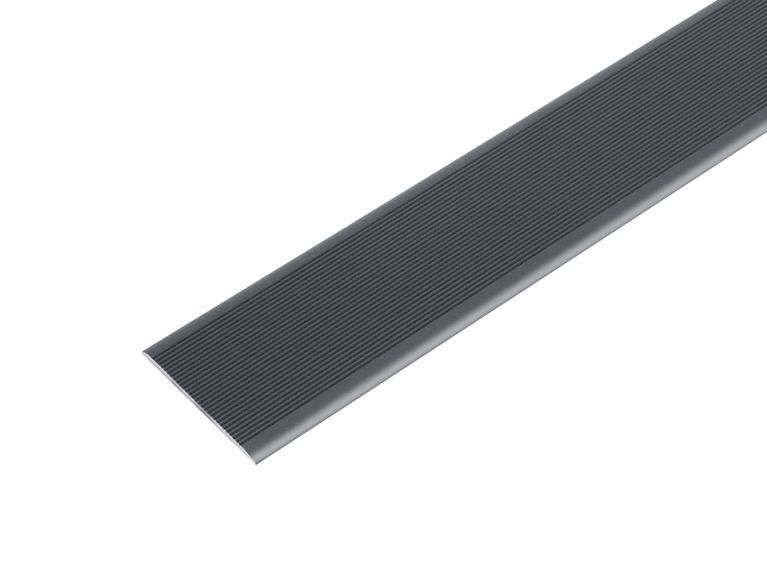
Depending on the system, aluminium decking may be available in different colours, coatings, and textures. This gives you room to choose a finish that suits your project, whether you want something subtle, industrial, modern, or minimal.
It may not have the natural grain of timber, but that is part of its appeal. Aluminium offers a neater, sharper style for spaces where a more contemporary finish is preferred.
Aluminium Decking Board Profiles
Aluminium decking boards are available in different profiles. The right choice will depend on your project, budget, installation requirements, and performance needs.
Hollow Profiles
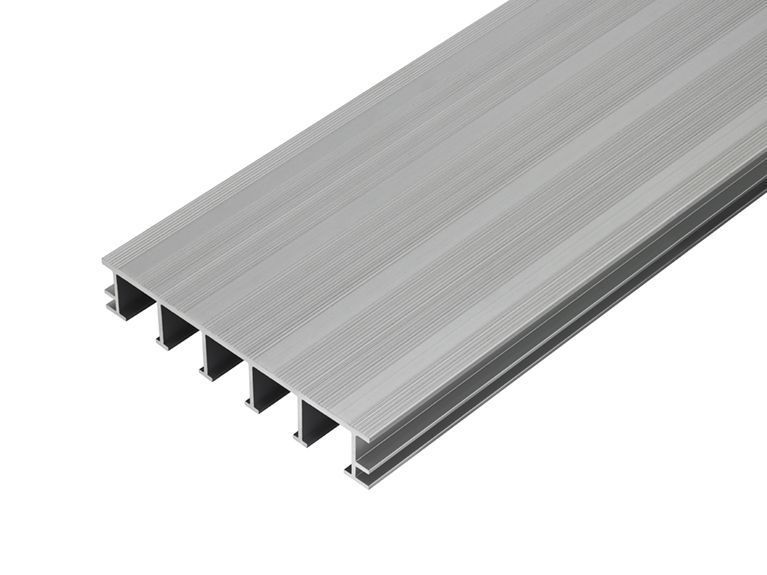
Hollow aluminium decking boards have internal chambers running through the board. This helps reduce weight while still providing good strength and stability.
Because they are lighter than solid profiles, hollow boards can be easier to handle and install. This can be helpful on projects where access is limited, or where materials need to be moved around balconies, roof terraces, or upper levels.
Hollow profiles can also be a cost-effective option because they use less material than solid boards. They are often suitable for many residential and light commercial applications, provided the substructure and installation method are appropriate.
The key is to make sure the hollow board system is suitable for the expected use. For general decking projects, hollow aluminium profiles can offer an excellent balance of strength, weight, and value.
Solid Profiles
Solid aluminium decking profiles are heavier and denser than hollow boards. They are designed for strength, rigidity, and demanding use.
These profiles are often chosen for commercial projects, public spaces, heavy footfall areas, or developments where long-term performance is the priority. Their more substantial structure can give a very sturdy feel underfoot, which is useful where safety and stability matter.
Solid profiles may cost more than hollow options, but they can offer additional strength and confidence for more demanding installations. If your project involves a busy terrace, balcony system, walkway, or communal outdoor area, solid aluminium decking may be the better option.
As with all decking, the right profile should be matched to the project rather than chosen by appearance alone.
Aluminium vs Wood
Wood decking has a warm, natural look that many people love. It can suit traditional gardens beautifully and gives an outdoor space a softer, more organic feel. However, timber does need regular care to stay in good condition.
Wood can absorb moisture, which may lead to swelling, rotting, warping, or splitting if it is not properly maintained. It may also need staining, oiling, or sealing to protect it from the weather.
Aluminium is very different. It does not rot, splinter, or warp, and it needs far less maintenance. It is also better suited to projects where fire resistance, slip resistance, and long-term stability are important.
Aluminium vs Composite
Composite decking is popular because it offers the look of timber with less maintenance. It is often made from a mix of wood fibres and plastic, giving it good resistance to many of the issues associated with natural wood.
For gardens and domestic patios, composite can be a strong all-round option. It is attractive, widely available, and generally easier to care for than timber.
Aluminium, however, offers a different level of performance. It is non-combustible, highly weather-resistant, and extremely durable. It is often preferred for balconies, roof terraces, commercial areas, and projects where fire safety and structural stability are key concerns.
Factors to Consider When Buying Aluminium Decking
Before choosing aluminium decking, it helps to think carefully about your project and how the space will be used. The right boards should suit the setting, the expected footfall, and the overall look you want to achieve.
Location and Use
Start by thinking about where the decking will be fitted. A small garden seating area has different needs from a balcony, roof terrace, walkway, or public space.
If the area will see heavy use, a stronger profile may be needed. If the deck is raised or attached to a residential development, safety and fire performance may be especially important.
Board Profile
Choose between hollow and solid profiles based on the demands of the project. Hollow profiles can be lighter and more cost-effective, while solid profiles offer added strength for heavier use.
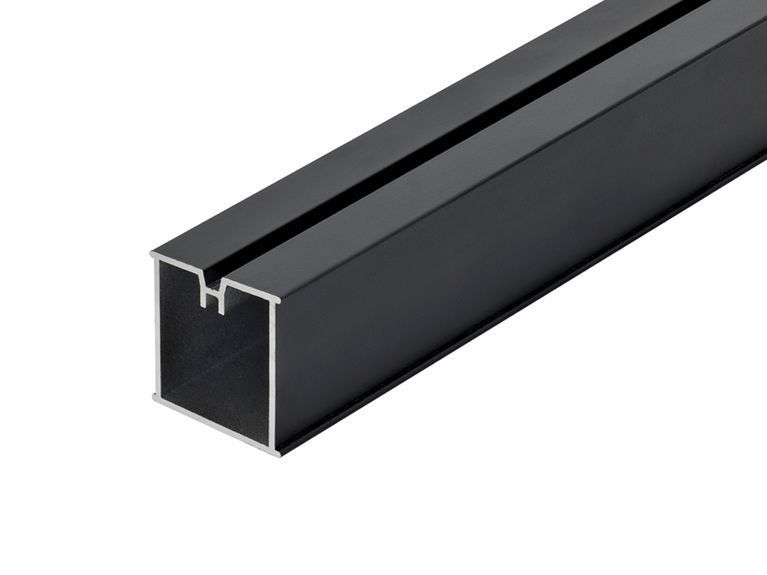
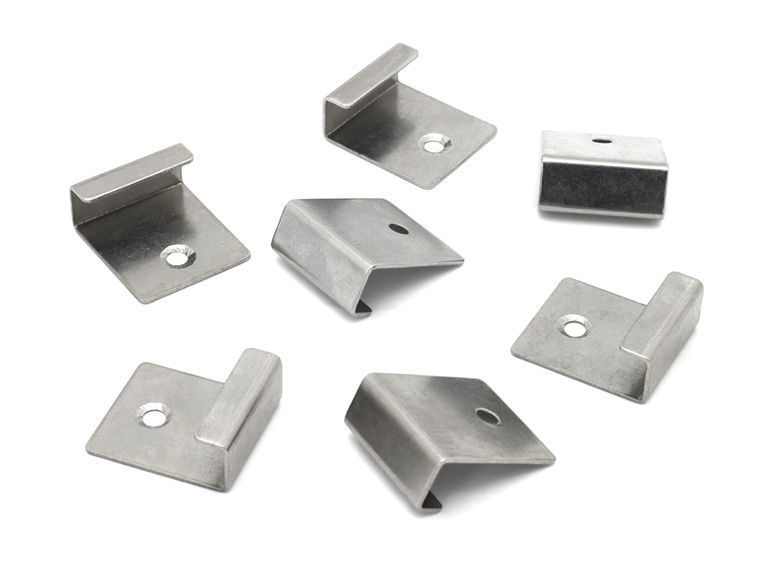
It is also important to check compatibility with the substructure and fixing system. A good decking system should feel stable, secure, and properly supported once installed.
Surface Finish
The surface finish affects both appearance and safety. Look at the colour, texture, and slip-resistant qualities of the boards before making your decision.
A textured finish can help improve grip, especially in wet conditions. Colour is also worth considering, as it will affect how the decking works with surrounding materials such as cladding, paving, brickwork, glass, and metal details.
Maintenance Expectations
Although aluminium is low maintenance, it still benefits from basic care. Regular sweeping and occasional cleaning will help keep the surface looking its best.
If the decking is being installed in a commercial or communal area, it may be worth planning a simple cleaning routine from the start. This helps protect the finish and keeps the deck safe and presentable.
Budget and Long-Term Value
Aluminium decking can cost more upfront than some timber or composite options, but it often offers strong long-term value. Its durability, low maintenance requirements, and long service life can make it a cost-effective choice over time.
Rather than focusing only on the initial price, think about the total cost of ownership. Fewer treatments, fewer repairs, and better long-term performance can make aluminium a sensible investment.
Choosing Aluminium Decking with Confidence
At Trade Warehouse, we make it easier to choose aluminium decking that fits your project and gives you confidence from the start.
The right boards will not only improve the look of your outdoor area, they will also make it safer, easier to maintain, and more enjoyable to use.