
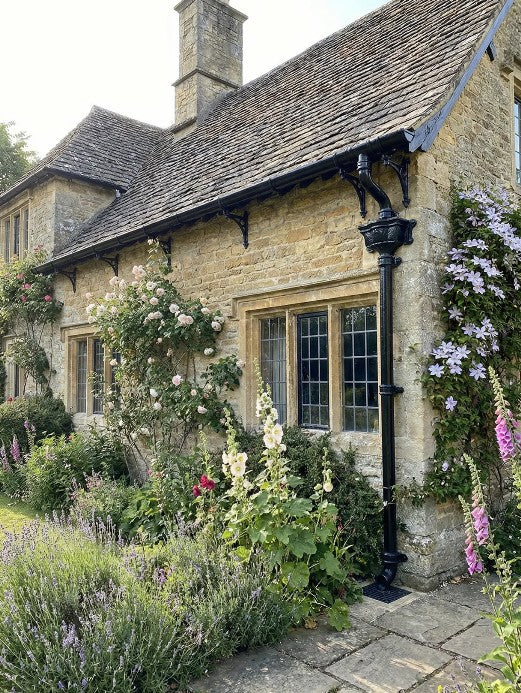
If you have an old home or a heritage property, there is a good chance that your rainwater system is made of cast iron.
And at some point, you will undoubtedly notice:
A small bit of rust on the gutter…
A flaking spot of paint…
A stain running down the wall.
And at this point, the question will undoubtedly occur to you:
Do cast iron gutters rust?
The truth is that cast iron gutters can rust.
However, this does not necessarily mean that the gutters are faulty or that they were not made to a high standard.
In fact, many cast iron guttering systems installed on Victorian and Edwardian homes are still functioning perfectly after 80 to 100 years or more.
As a leading supplier of metal rainwater systems, the important thing to realise about cast iron guttering and rust is that, in most cases, it is a maintenance issue and not a fault with the guttering.
This article will examine what causes cast iron guttering to rust, how serious the problem is, and what can be done to prevent it.
Cast Iron Gutters & Rust – Quick Guide
| Question | Quick Answer | What You Should Do |
|---|---|---|
| Do cast iron gutters rust? | Yes. All iron can rust when exposed to moisture and air. | Keep gutters painted and maintained. |
| Is rust always a problem? | Not necessarily. Surface rust is common and often repairable. | Treat small rust spots early before they spread. |
| What causes rust in gutters? | Standing water, damaged paint, debris, and environmental exposure. | Clean gutters regularly and check for pooling water. |
| Can rust be repaired? | Yes, in most cases. Minor corrosion can be cleaned and repainted. | Wire brush, treat with rust converter, then repaint. |
| How do you prevent rust? | Maintenance and protective coatings are key. | Clean gutters twice a year and repaint every few years. |
| How long do cast iron gutters last? | Often 50–100+ years with proper care. | Regular inspection dramatically extends lifespan. |
Why Cast Iron Gutters Rust
Rust forms when iron reacts with oxygen and moisture. This chemical reaction produces iron oxide — the reddish-brown corrosion we recognise as rust.
As the gutters are always full of rainwater, they are already exposed to the elements responsible for rust formation.
Cast iron guttering is usually coated with paint or bitumen, thus providing a layer of protection from the elements. Rust formation usually occurs when the paint or bitumen is damaged.
When the metal is exposed, corrosion can occur, slowly forming. We produced a more detailed guide on the reasons for rusting here.

The Most Common Causes of Rust in Cast Iron Guttering
Rust rarely appears randomly. In most cases, it develops because of a specific issue within the gutter system.
Understanding these causes helps you prevent bigger problems later.
Standing Water in the Gutter
Gutters are designed to move rainwater away quickly. When water sits inside them for extended periods, corrosion accelerates.
Standing water usually occurs because of:
• blocked outlets or downpipes
• sagging gutter sections
• incorrect installation angle
• debris build-up from leaves and moss
When water remains in the gutter channel after rainfall, the metal stays wet for longer — giving rust the conditions it needs to develop.
This is one of the most common causes of corrosion in older cast iron systems.
Damaged Paint or Protective Coatings
Cast iron guttering is almost always coated with protective paint.
This coating prevents water and oxygen from reaching the metal beneath. Over time, however, the paint layer can wear down due to weather exposure.
Common vulnerable areas include:
• gutter joints
• bolt heads
• bracket contact points
• scratches or chipped paint
• the back of the gutter where moisture sits against the wall
Once the coating fails, rust can begin forming underneath the remaining paint layer and gradually spread.
Lack of Regular Maintenance
One of the main reasons cast iron gutters deteriorate is simply because they are ignored.
Gutters sit high on buildings and are easy to forget about — until a leak appears. If you haven't already, read our guide on how to fix leaks for cast iron rainwater.
Over time, leaves, moss, and debris accumulate inside the channel. These materials hold moisture against the metal surface and create ideal conditions for corrosion.
Regular inspection and cleaning is one of the simplest ways to slow rust formation.
Environmental Conditions
The environment surrounding a property also plays a role in how quickly rust develops.
Certain locations accelerate corrosion, including:
• coastal areas exposed to salty air
• urban environments with pollution
• areas with high rainfall
• locations exposed to acidic rainwater
Salt and pollutants increase the acidity of water, which speeds up oxidation of the iron surface.
This is why properties near the coast often require more frequent gutter maintenance.

Is Rust in Cast Iron Gutters a Serious Problem?
Not necessarily.
Surface rust is extremely common on older cast iron guttering and doesn’t automatically mean the system is failing.
In many cases the corrosion is only superficial and can be treated easily.
Problems arise when rust is ignored for many years. Over time, corrosion can lead to:
• small holes developing in the gutter
• weakened joints
• leaks around fixings
• brittle sections that may crack
Severe rust can eventually cause gutter sections to fail — but this usually happens slowly and is avoidable with maintenance.
How to Stop Cast Iron Gutters Rusting
Preventing rust is mostly about keeping moisture away from exposed metal and maintaining protective coatings. It's also important that you purchase the right gutter size for your property, otherwise it will struggle to cope with the level of rain.
Fortunately, this doesn’t require complicated maintenance.
Keep Gutters Clear
One of the simplest ways to protect cast iron guttering is regular cleaning.
Leaves and debris trap water inside the channel, increasing the time moisture stays in contact with the metal.
Most homes benefit from gutter cleaning:
• once in autumn
• once in spring
If your property is surrounded by trees, you may need to inspect them more frequently.
Treat Rust Early
Small rust spots are much easier to repair than large areas of corrosion.
When rust is detected early, the repair process is usually straightforward.
Typical treatment involves:
-
Removing loose rust with a wire brush
-
Cleaning the area thoroughly
-
Applying a rust converter or rust treatment
-
Priming the metal surface
-
Repainting with exterior metal paint
Rust converters chemically stabilise corrosion and prepare the metal for painting.
Treating rust early prevents it spreading beneath the paint layer.
Repaint the Gutter Periodically
Paint is the main protective barrier for cast iron guttering. if you're thinking of painting cast iron, make sure you read our full guide before doing so!
Over time, UV exposure and weathering cause paint to deteriorate. Repainting the system periodically can dramatically extend its lifespan.
Many property owners repaint cast iron gutters every 5–10 years depending on exposure.
When repainting, pay particular attention to joints, brackets, and areas where water may collect.

This image shows a primed Ogee cast iron gutter length supplied by Trade Warehouse.
Maintain Gutter Joints
Water leaks at gutter joints can allow moisture to sit between sections of metal.
Resealing joints when necessary prevents water from creeping into gaps where corrosion can begin.
If bolts or fasteners show rust, replacing them with stainless steel alternatives can also help prevent future problems.

We supply the cast iron jointing kit with rubber seals for added water tightness.
Check the Gutter Fall
Gutters should always slope gently toward the downpipe.
If the system becomes misaligned or brackets loosen over time, water may start pooling inside the channel.
Even small areas of standing water can accelerate corrosion.
Adjusting brackets or improving support often solves the issue.
How Long Do Cast Iron Gutters Last?
When properly maintained, cast iron guttering is one of the most durable rainwater systems available.
It is not unusual for cast iron gutters to last 50 to 100 years or more.
This longevity is why cast iron is still widely used on heritage buildings, listed properties, and traditional homes.
Unlike lightweight plastic systems, cast iron is extremely strong and resistant to structural damage. Most failures occur because of neglect rather than the material itself.
When Rust Means Replacement Is Needed
Although rust can often be repaired, there are situations where replacement is the better option. As a leading UK supplier of cast iron, we can deliver all over the UK fast.
Replacement may be necessary if:
• corrosion has created large holes in the gutter
• multiple sections are heavily rusted
• the metal has become brittle
• joints can no longer be sealed properly
In these cases replacing the affected sections — rather than the entire system — is often sufficient.
Final Thoughts
So, do cast iron gutters rust?
Well, yes, but that is expected, especially since they are used outside.
This does not mean, however, that the gutter system itself is failing. Instead, it is likely just a sign that the paint requires attention.
If proper maintenance, including early treatment of rust and regular repainting, is carried out, cast iron guttering can last up to 100 years or more.
This, of course, is exactly why cast iron gutters are so popular with many homeowners, especially when it comes to old homes. We do also offer cheaper alternatives such as aluminium and steel guttering.
Still unsure about cast iron gutters? Read our full comprehensive guide.