Guttering is one of those things most people don’t think about until it fails. A leak here and a damp patch there. Suddenly it matters. And when that moment comes, a lot of homeowners start looking beyond plastic and painted metal and land, almost accidentally, on copper.
Funny thing is, once you start reading about it, copper guttering stops feeling like a “luxury choice” and starts looking more like common sense.
If you’re building from scratch, restoring something with a bit of history, or you’re simply fed up with replacing guttering every couple of decades, copper has a quiet way of making its case.
Let’s talk about why.
Benefits of Choosing Copper Guttering for Your Home
It lasts. And lasts. And then keeps going.
This is usually where people pause. Because yes, copper guttering costs more upfront.
But here’s the part that changes the maths.
A decent copper system can last well over 100 years.
That’s not optimistic marketing — it’s just what copper does. Plastic? Maybe 20 years if you’re lucky. Aluminium guttering? A bit better, but still nowhere close.
One install. Possibly the last one you’ll ever need.
Built for British weather (the good, the bad, the sideways rain)
UK weather has a habit of exposing weak materials. Copper doesn’t flinch.
-
Frost doesn’t make it brittle
-
Heavy rain doesn’t overwhelm it
-
Temperature swings don’t cause cracking
It expands and contracts naturally, without stress fractures. Which is more than can be said for many modern alternatives.
The Maintenance Bit (or lack of it)
Here’s something homeowners quietly love about copper: you don’t really have to do much.
No repainting. No coatings. No patch jobs every few years.
That colour change everyone talks about
Copper changes over time. Slowly and naturally. First a warm brown, then darker tones, and eventually that familiar soft green.
That patina isn’t damage - it’s protection.
It seals the surface, shields it from further corrosion, and means the guttering effectively looks after itself. A rare thing, that.
If you like the idea of fitting something once and then forgetting about it, copper fits the bill.

It just looks right
This part is subjective — but also not really.
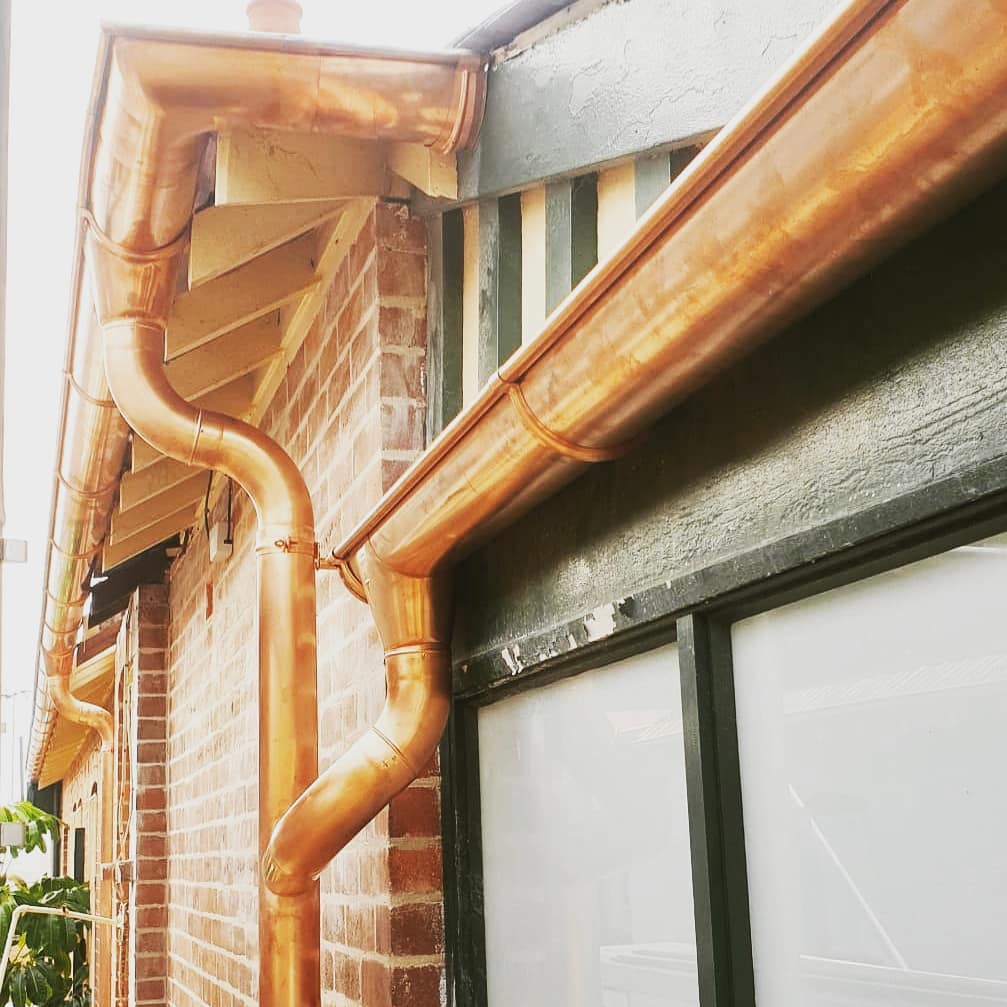
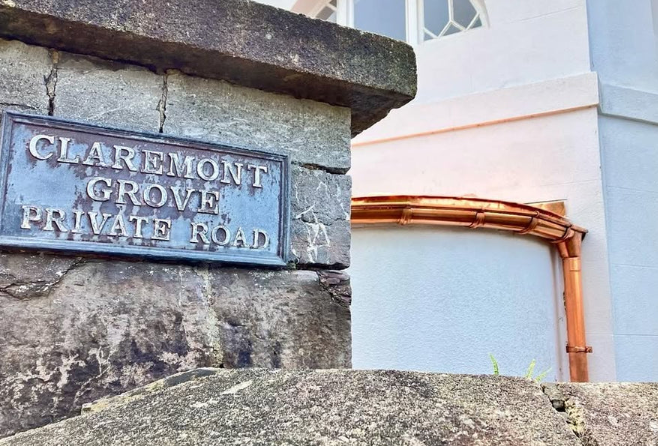
Copper guttering has a presence. Especially on brick, stone, slate, or older heritage properties where plastic always feels slightly out of place.
A finish that improves with age
-
Starts off bright and warm
-
Softens over time
-
Develops character rather than wearing out
On period homes, it feels authentic. On modern builds, it adds contrast and depth. Either way, it tends to lift the whole roofline without shouting about it.
And yes, it can add value. Estate agents in the UK notice these things, even if buyers don’t consciously clock why a house feels better finished.

Performance still matters (and copper delivers)
Looks aside, guttering has a job to do. Move water. Quickly. Reliably.
Copper systems are typically designed with deep-flow profiles, which matters more than people realise during a proper downpour.
Why that matters in real life
-
Better handling of heavy rain
-
Less chance of overflow
-
Fewer damp surprises down the line
If you’ve got a larger roof area or an exposed position, this alone can be reason enough.
Thoughtful engineering, not just nice metal
Good copper guttering isn’t just copper bent into shape. The better systems combine traditional material with modern design.
You’ll often find features like:
-
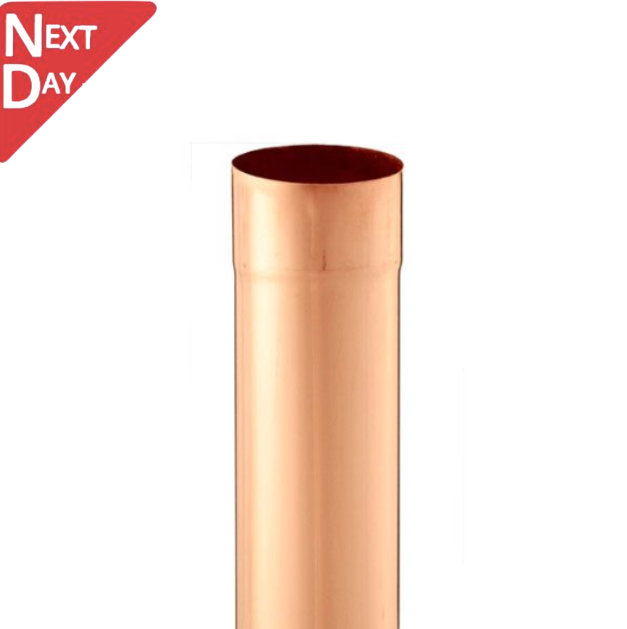
Internally single-seamed downpipes to improve flow
-
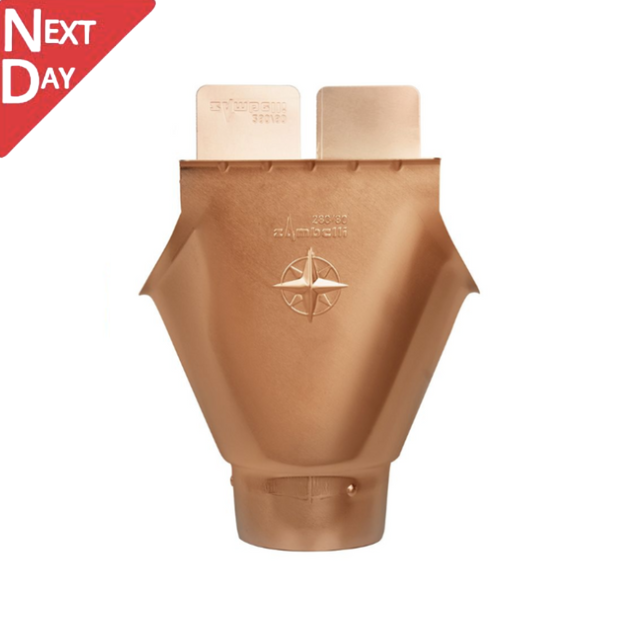
Seam-welded outlets that don’t snag debris
-
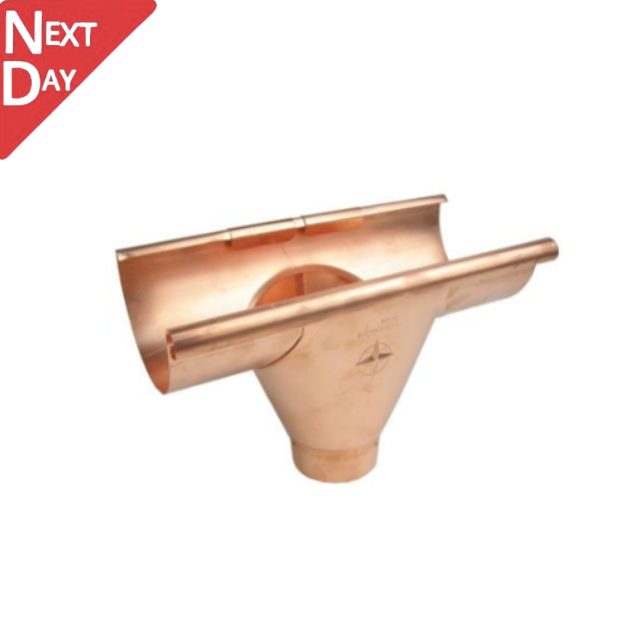
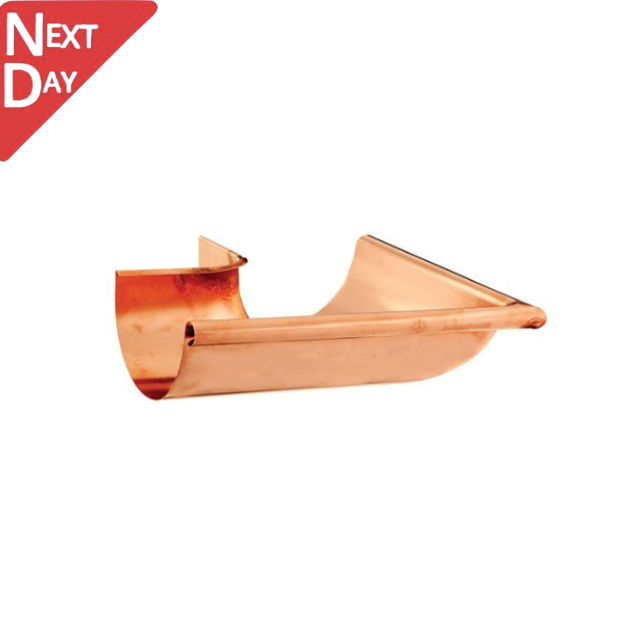
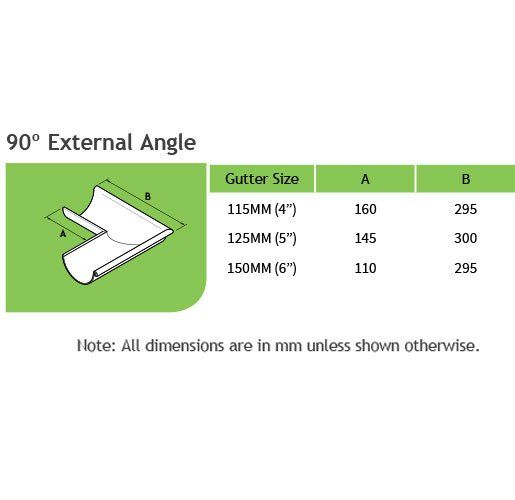
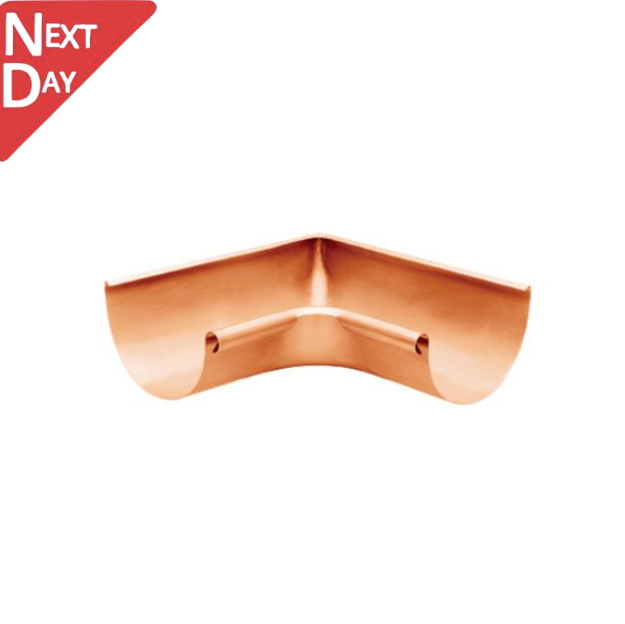
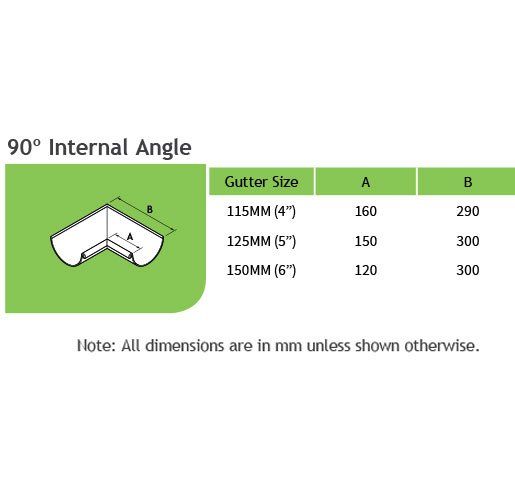
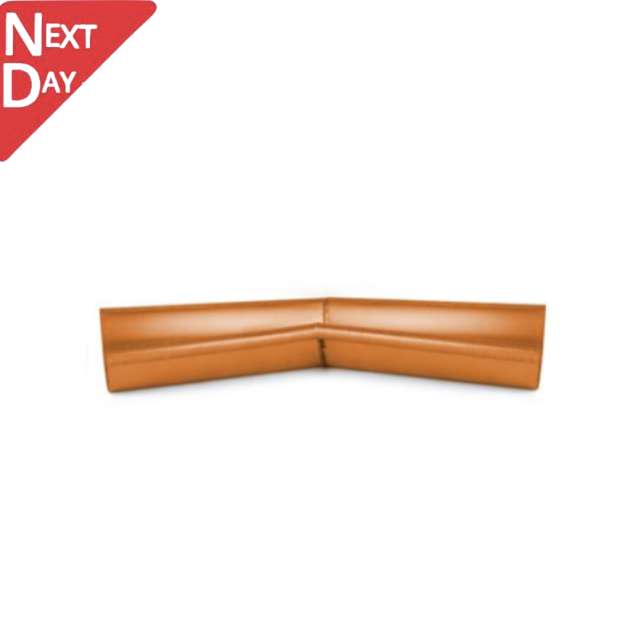
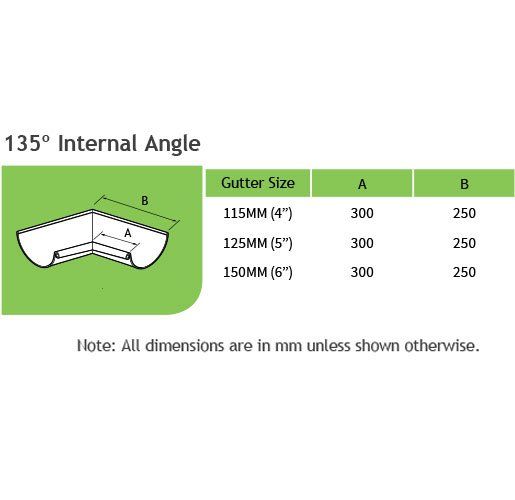
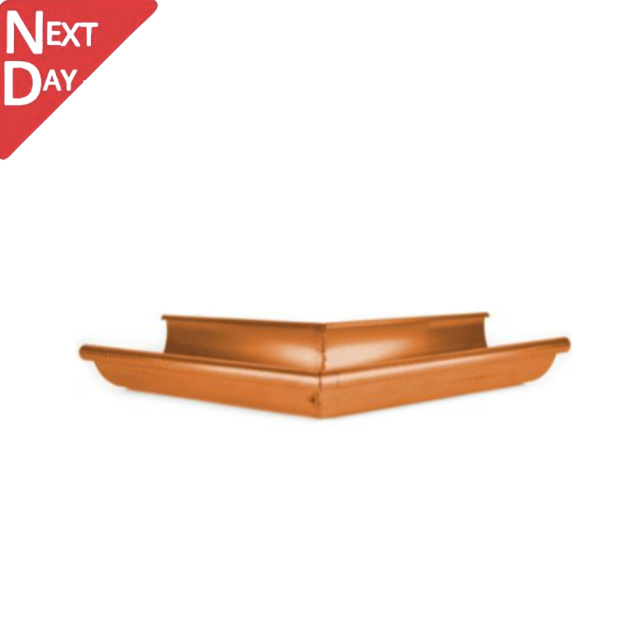
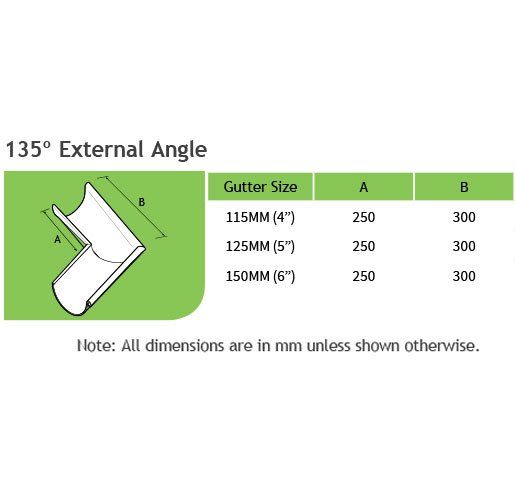
One-piece gutter angles that don’t rely on weak joints
-
Offset bends designed to stay put for decades
All small details. All things that matter long after installation day.
Sustainability (without the greenwashing)
Copper is one of the few materials where the sustainability argument isn’t forced.
It’s 100% recyclable, indefinitely, without losing performance. And because it lasts so long, it doesn’t contribute to the constant cycle of removal and replacement that short-life materials create.
Less waste. Fewer resources. Simple as that.
Surprisingly good for rainwater harvesting
This one catches people off guard.
Copper naturally inhibits algae and fungal growth. That means rainwater collected from copper guttering tends to stay cleaner, clearer, and more garden-friendly.
-
No chemical runoff
-
More balanced water
-
Better for plants
If you collect rainwater already — or plan to — copper quietly gives you a bonus.
Installation: easier than you’d expect
Despite its reputation, copper isn’t awkward to work with. In fact, many modern systems are designed to make installers’ lives easier.
Things like:
-
Lightweight sections
-
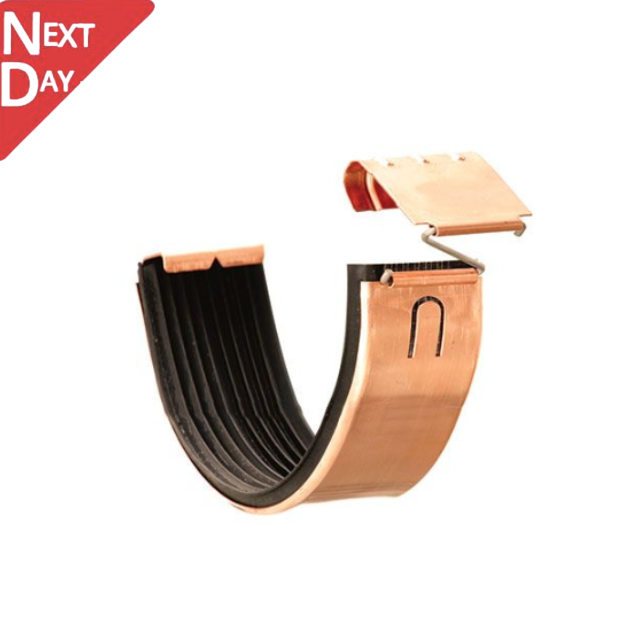
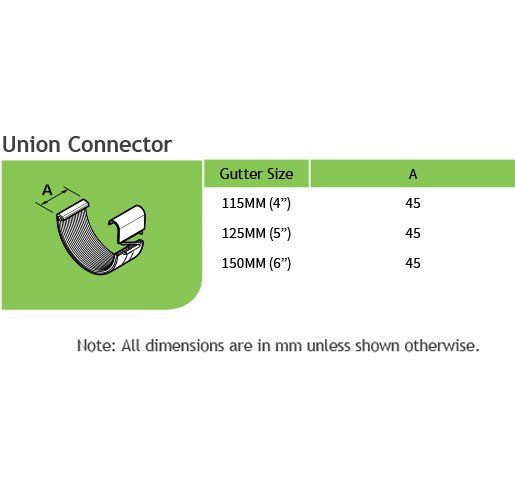
Dry-jointed rubber-lined unions
-
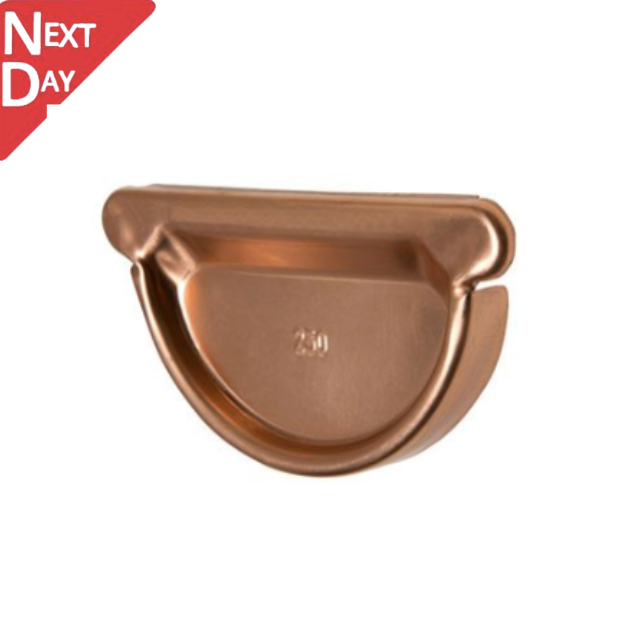
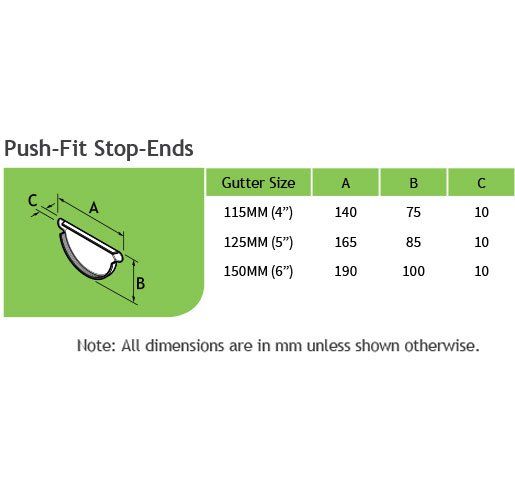
Push-fit stop ends with proper seals
-
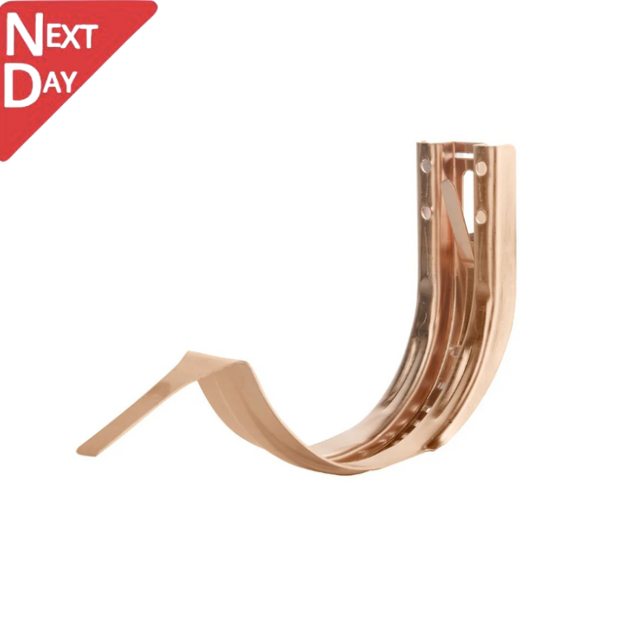
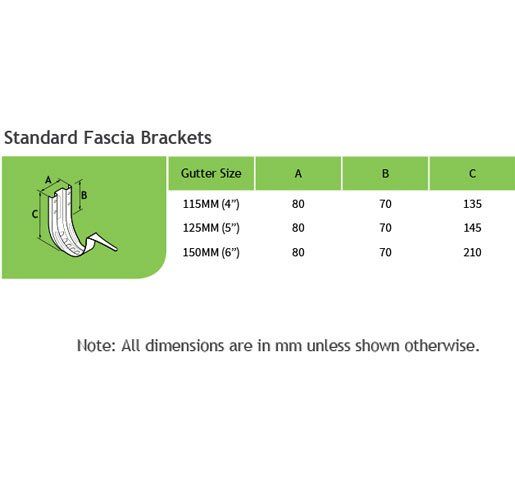
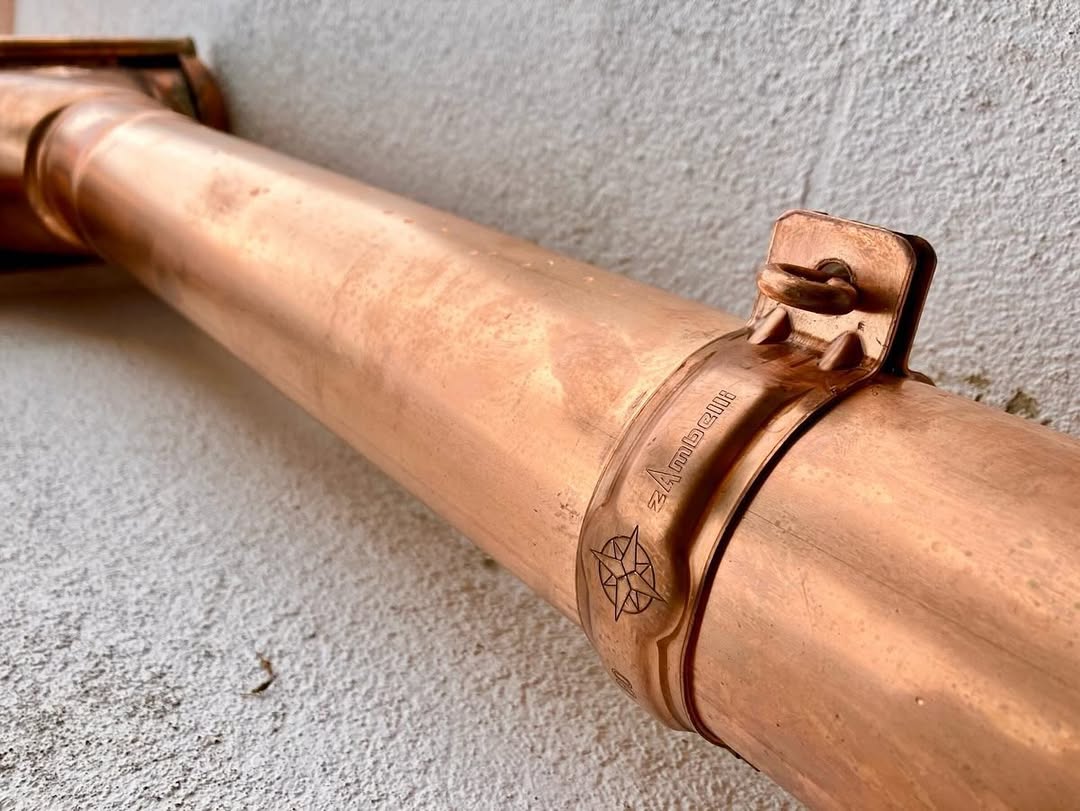
Secure fascia brackets that don’t slip
The result? Faster installs and fewer weak points.
Works on new builds and older homes
Some materials feel like they belong in one era. Copper doesn’t.
It suits:
-
Contemporary homes
-
Renovations
-
Extensions
-
Heritage restorations
Because it’s malleable, it adapts to complex rooflines without cracking or forcing compromises.
Quality matters (probably more than you think)
Not all copper guttering is created equal. Thickness, design, jointing, and manufacturing standards make a huge difference over time.
That’s why many homeowners and professionals choose systems from manufacturers like Zambelli, known for precision-engineered copper guttering that balances longevity, performance, and clean design.
When you’re fitting something meant to last a century, cutting corners makes very little sense.
Is copper guttering worth the money?
Short answer? Over time — yes. Almost always.
You’re paying for:
-
No replacement cycles
-
Minimal maintenance
-
Long-term performance
-
A finish that doesn’t age badly
Spread that cost across decades, and copper often works out cheaper than systems you’ll replace two or three times.