Cast iron gutters have been around for a very long time. You’ll see them on Victorian terraces, period homes, old schools and listed buildings all over the UK. And because they’ve lasted so long, people often assume they must be incredibly strong and safe.
But safety isn’t just about strength. It’s about weight, fixing methods, maintenance and how the system behaves over time.
So… are cast iron gutters safe?
The honest answer is: yes, they can be — but only when they’re installed and maintained properly.
Let’s break it down properly.
Why cast iron gutters have such a strong reputation
Cast iron earned its reputation for a reason.
It’s incredibly rigid, impact-resistant and long-lasting.
When properly installed, a cast iron rainwater system can last 50 years or more, sometimes much longer.
That’s why they’re still specified for:
-
Listed buildings
-
Conservation areas
- Heritage refurbishments

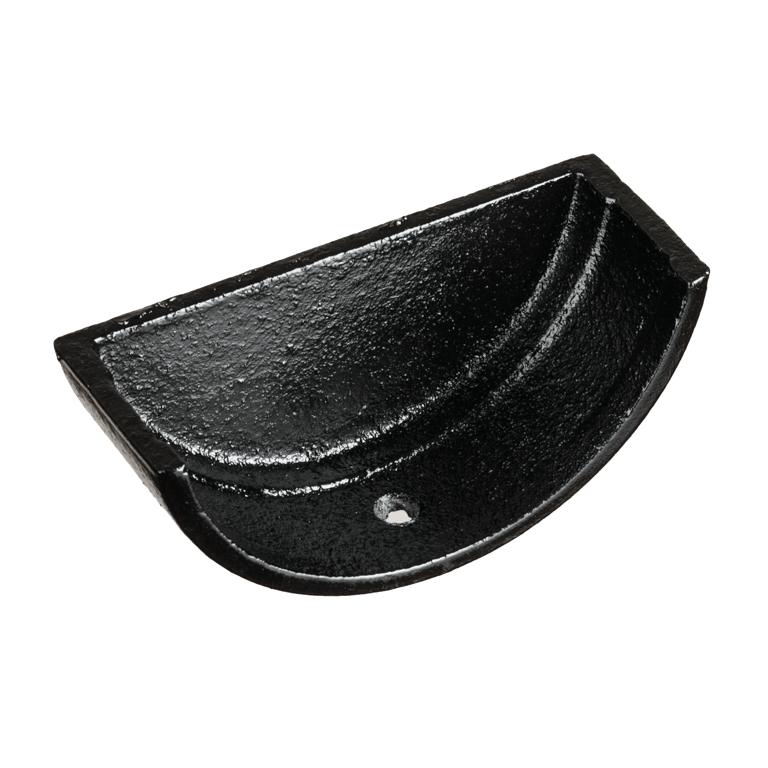
Above is a white cast iron hopper on an old UK property.
They simply look right on traditional architecture, and planning authorities often insist on them.
From a material point of view, cast iron itself is not unsafe. The issues usually come from how it’s installed, fixed and maintained.
The real safety concern: weight
This is where cast iron differs massively from modern alternatives.
Cast iron gutters are very heavy. A single length of cast iron gutter can weigh several times more than steel, aluminium or zinc. That weight puts a lot of stress on:
-
Fascia boards
-
Fixings
-
Brackets
-
Masonry (if fixed to brickwork)
If the structure behind the guttering isn’t sound, or the fixings aren’t up to the job, that’s when problems start.
This is why cast iron gutters should never be treated as a simple DIY install. Poor fixings can fail over time, especially when the gutter fills with water, debris, or snow.
What actually causes cast iron gutter failures?
Most failures aren’t sudden — they build up slowly.
Here are the most common causes:
Corrosion over time
Cast iron will rust if its protective coating fails.
Once corrosion sets in, the metal can become brittle and weak in places, especially around joints and brackets.
Old or inappropriate fixings
Many older systems were installed decades ago using fixings that no longer meet modern standards.
Rusted bolts and worn brackets are a common failure point.
Blockages and standing water
Because cast iron systems are rigid, they don’t flex. If a gutter becomes blocked and fills with water, all that weight sits in one place.
Over time, that can pull fixings out or crack joints.
Poor maintenance
This is the big one.
Cast iron needs regular inspection and repainting. When it’s ignored, small issues quietly turn into structural ones.
Are cast iron gutters dangerous?
They can be — but usually only when neglected.
A well-installed, well-maintained cast iron system is stable and safe.
A neglected one can become a risk, especially if:
-
Brackets are loose
-
Rust has eaten into joints
-
Sections are unsupported
-
The building fabric behind it is weak
Because cast iron is heavy, a falling section can cause serious damage or injury. This is why routine checks are so important.
How to make cast iron gutters safe
If you already have cast iron gutters, or are considering them, here’s what really matters:
Proper structural support
The fascia or masonry must be strong enough to carry the load. If it isn’t, reinforcement is essential.
Correct spacing of brackets
Cast iron needs more frequent support than lighter systems. Skimping here is a false economy.
Regular maintenance
Repainting at intervals isn’t cosmetic — it’s protective. This is what prevents corrosion.
Professional installation
This isn’t the place to cut corners. Cast iron demands experience.
Are there safer modern alternatives?
For many homes, yes.
Modern metal systems like steel gutters, aluminium and zinc gutters offer:
-
Much lower weight
-
Easier installation
-
Excellent durability
-
Far lower maintenance
They’re often safer in practical terms because they place far less stress on the building and fixings, while still offering a traditional or contemporary appearance depending on the profile. We recently did an article on choosing the best metal rainwater system.
That’s why many homeowners now choose modern systems for performance, even when they love the traditional cast iron look.

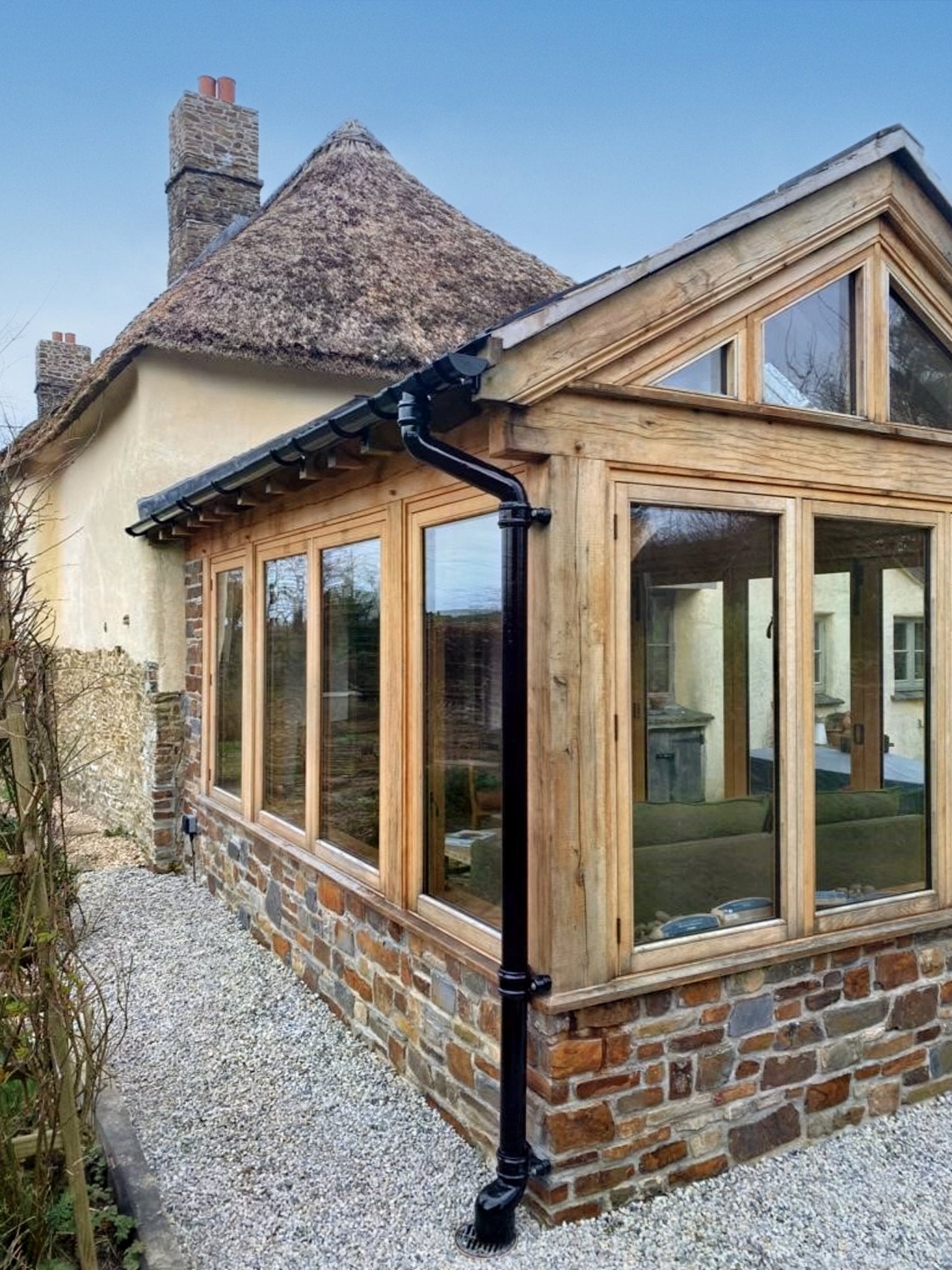
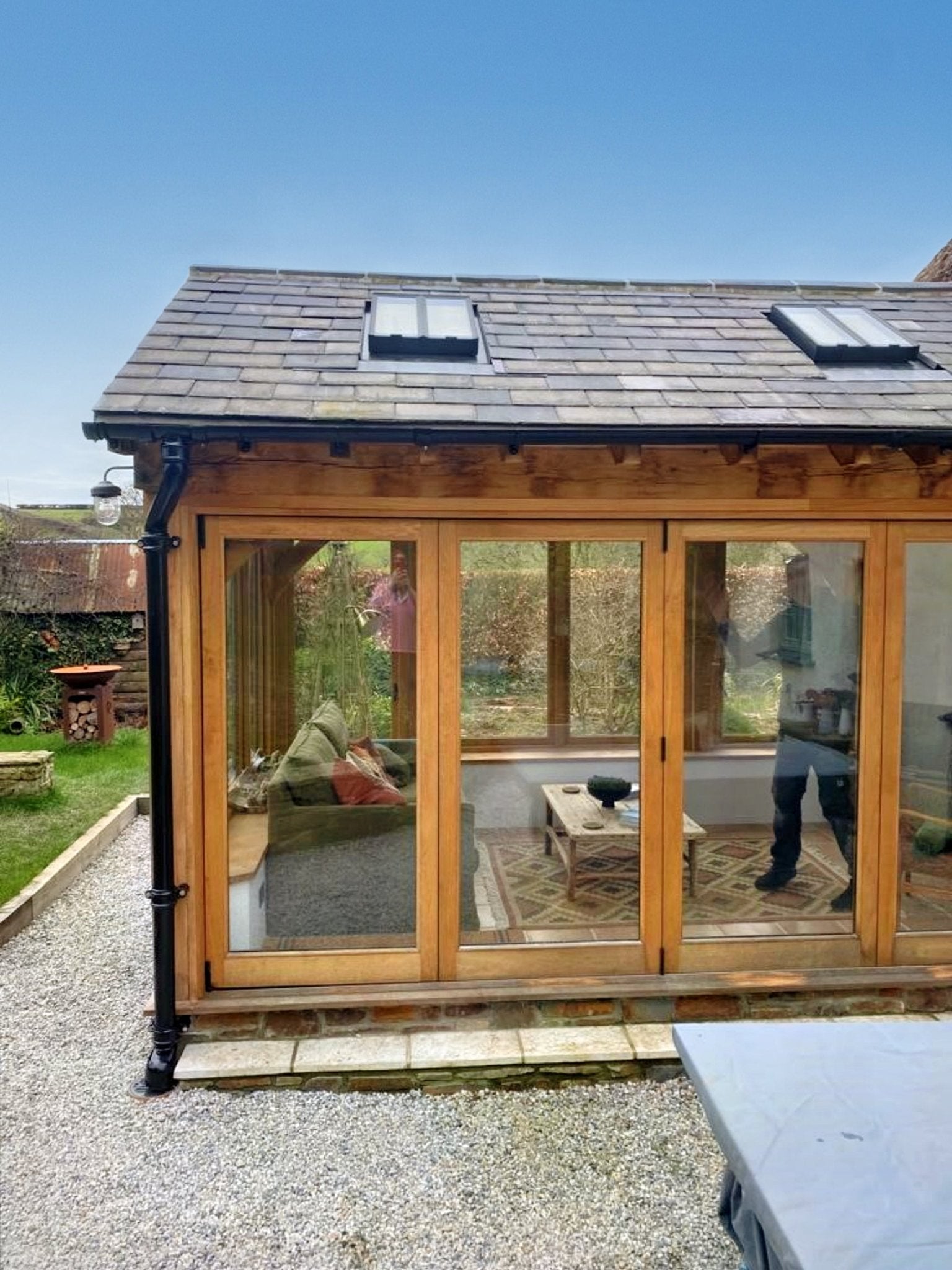
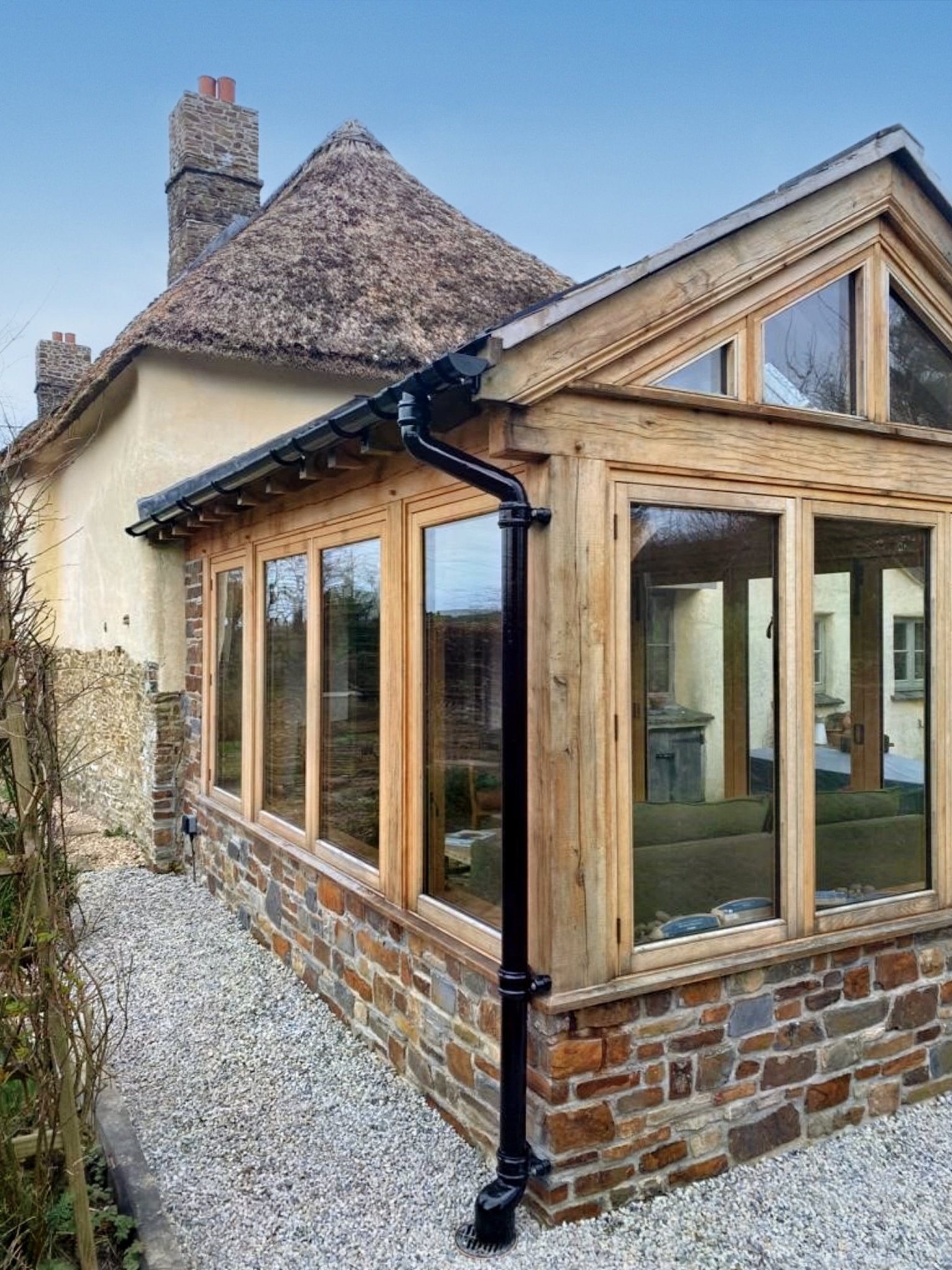
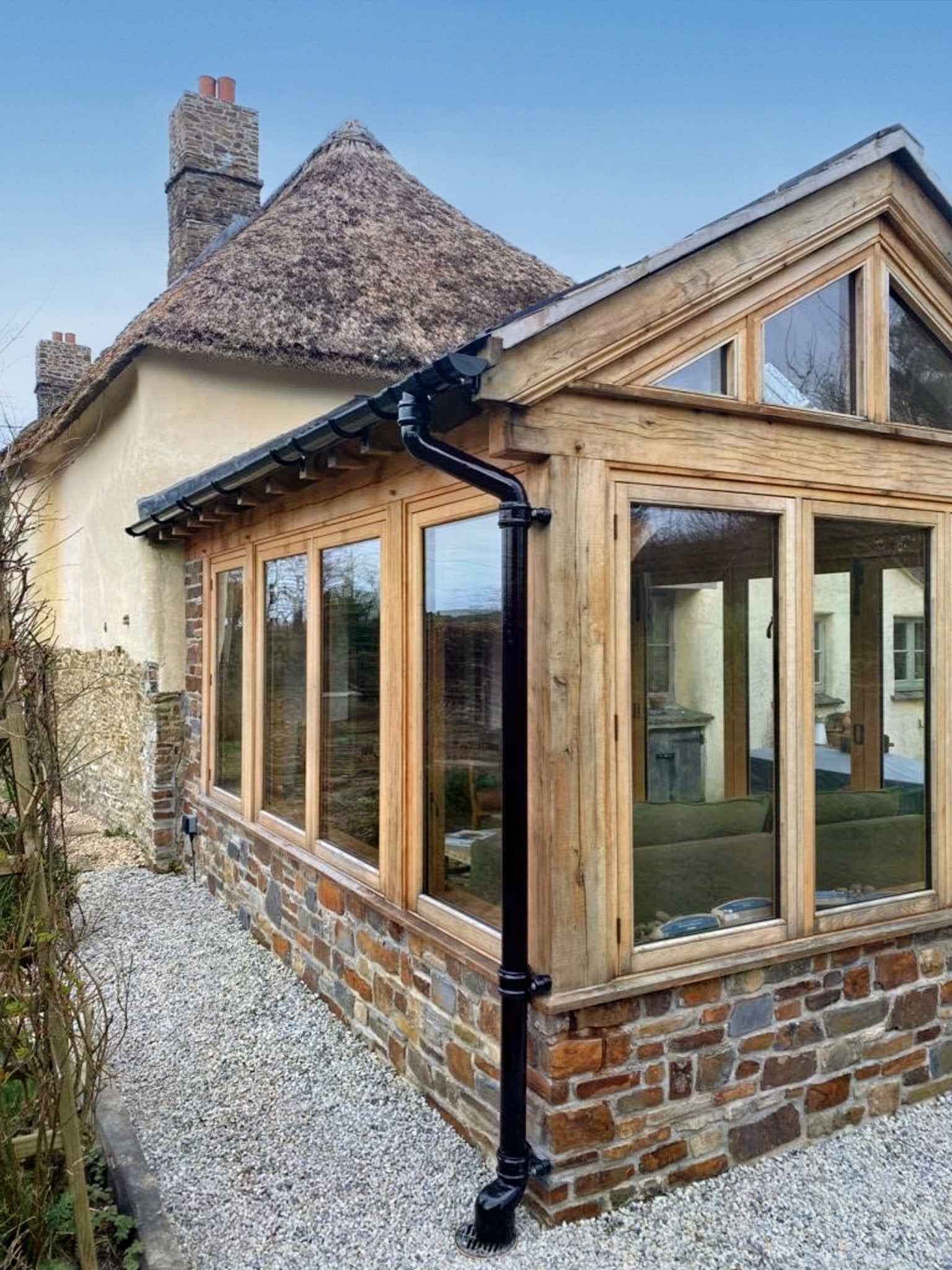
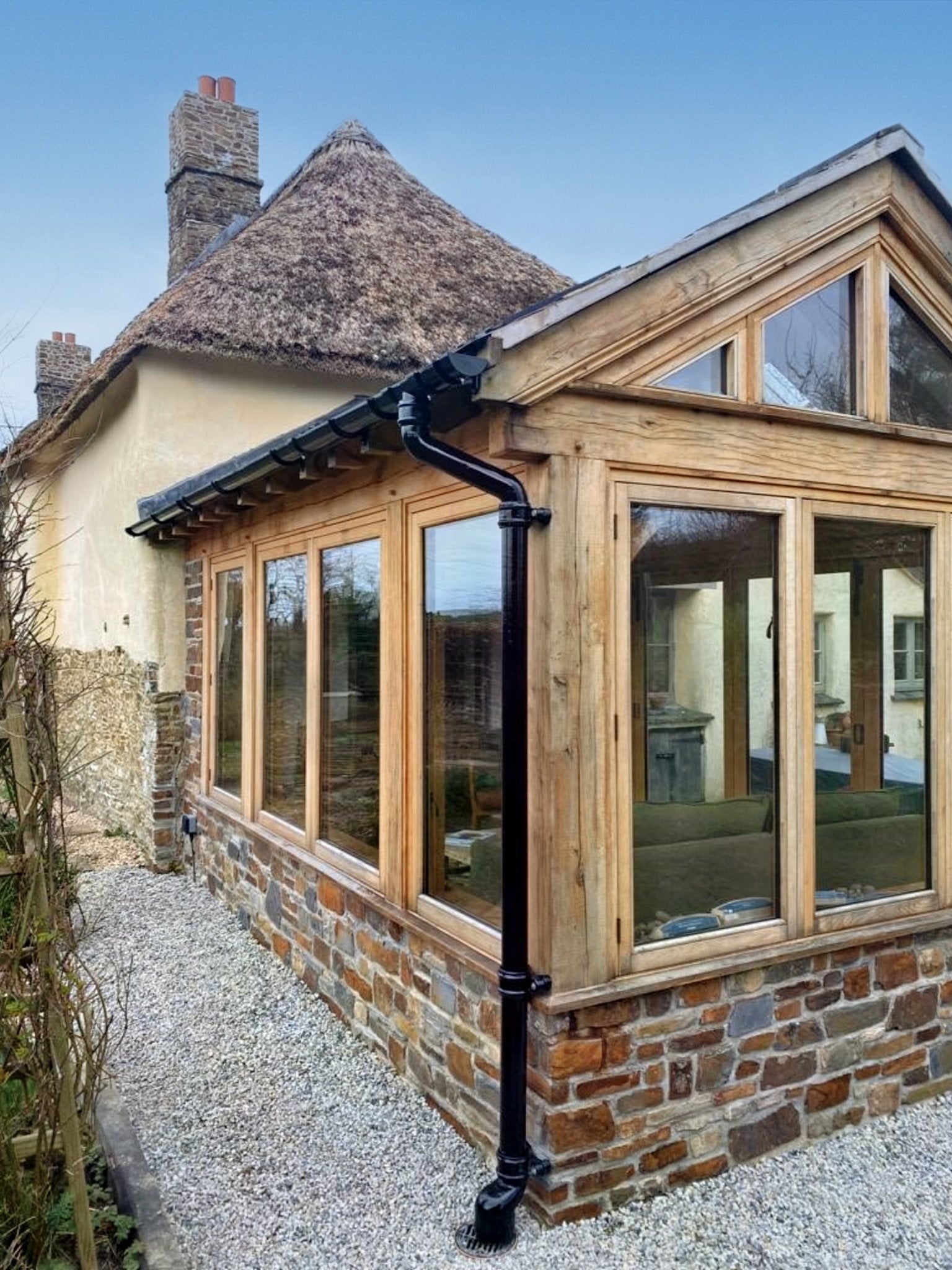
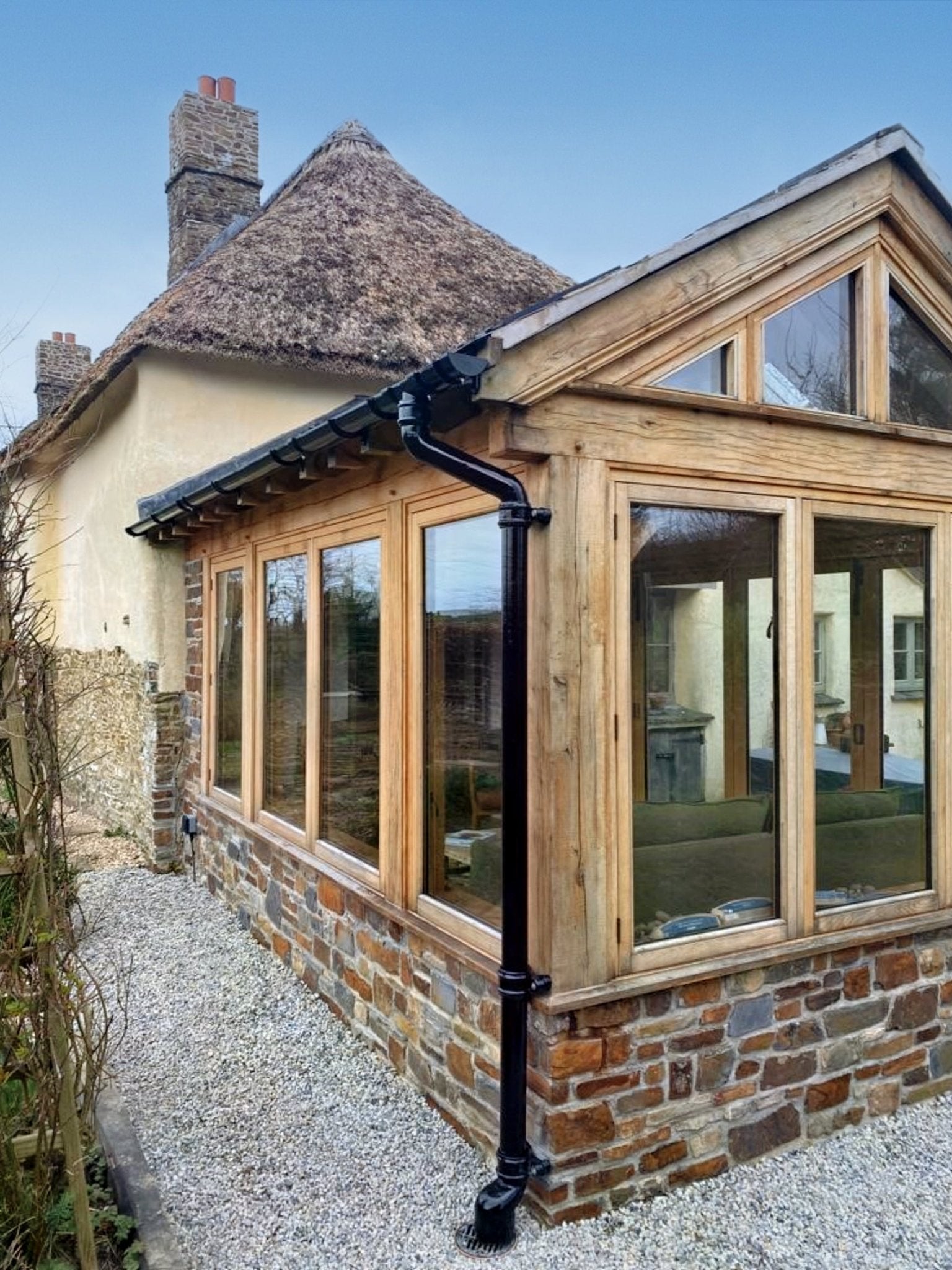
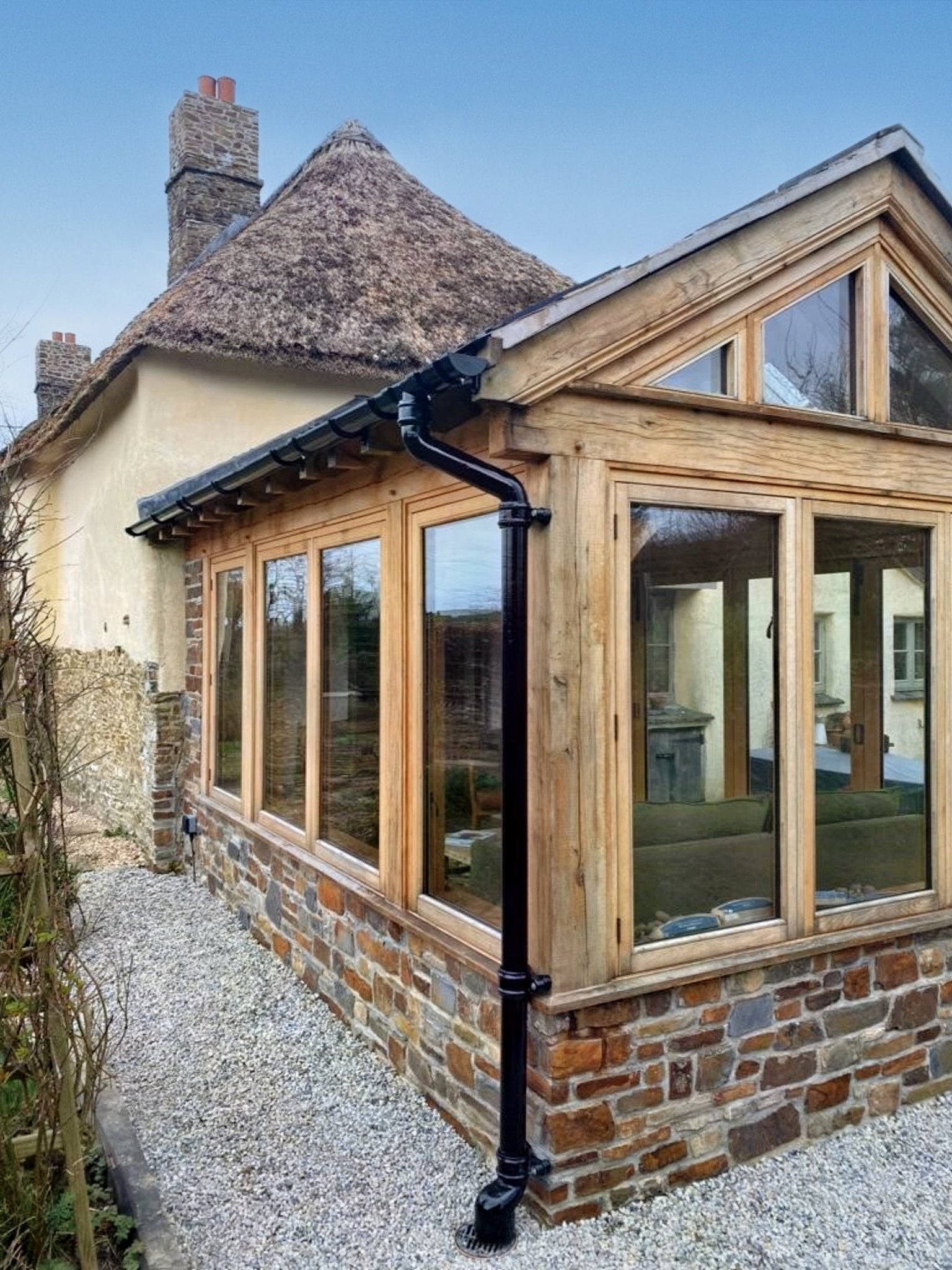
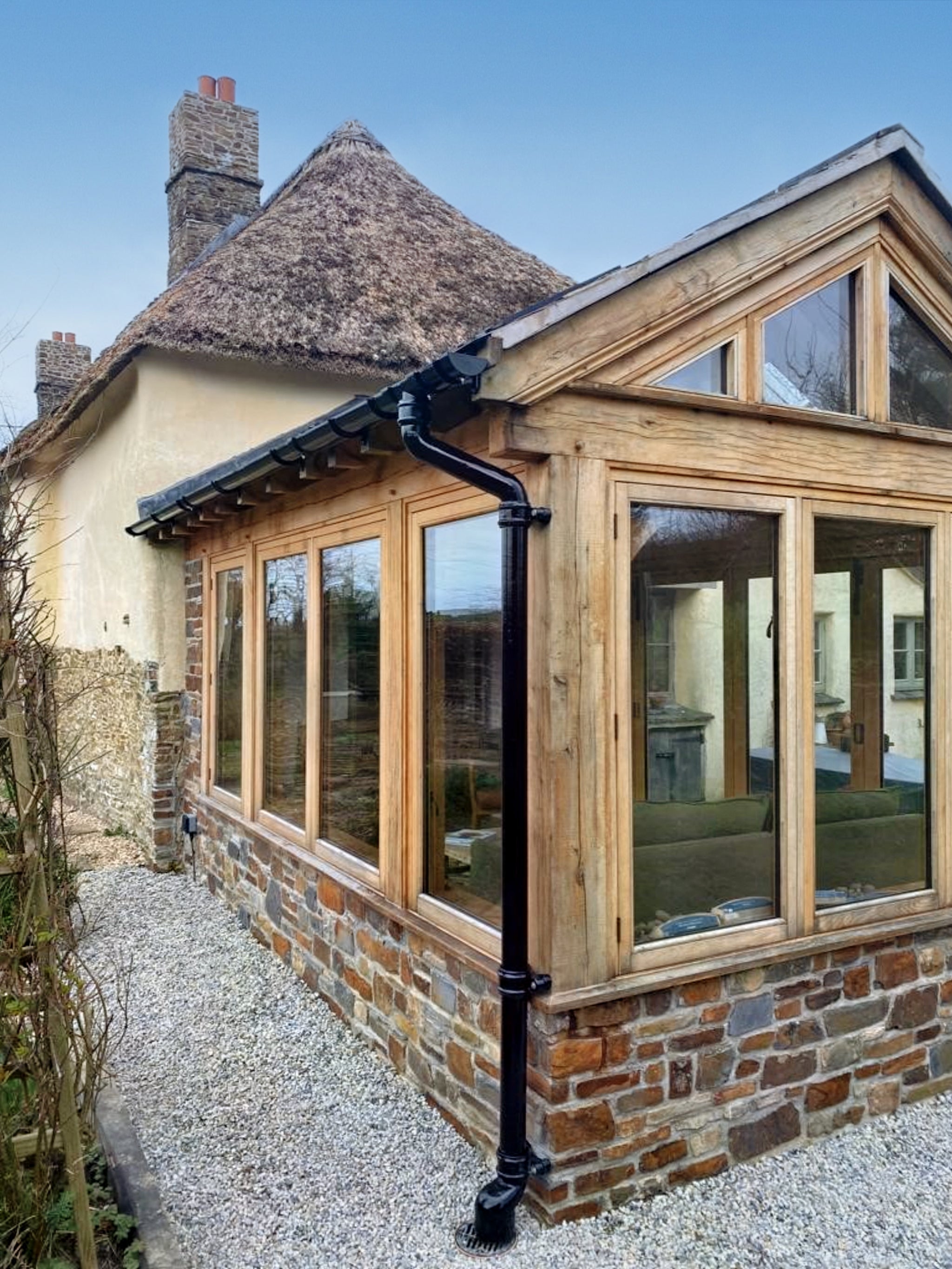
Above shows black steel guttering on a UK house.
When cast iron still makes sense
Despite the drawbacks, cast iron still has its place.
It’s a good choice if:
-
You’re working on a listed building
-
Planning regulations require it
-
You’re committed to long-term maintenance
-
The structure can support the weight
In those cases, cast iron gutters are not just safe — they’re appropriate.
Final honest takeaway
Cast iron gutters aren’t unsafe by default — but they do demand respect.
They are heavy, rigid and unforgiving if installed poorly or left to deteriorate. When they’re properly supported and maintained, they’re solid and dependable. When they’re ignored, they can become a genuine risk.
If you’re deciding whether cast iron is right for your project, the most important question isn’t “are they safe?” — it’s:
Am I willing to install them properly and look after them long-term?
Answer that honestly, and the right choice usually becomes very clear.