
Short answer:
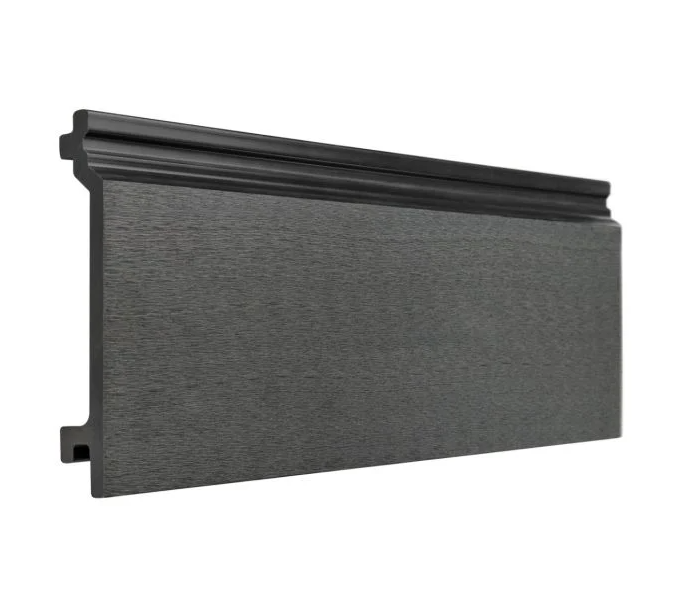
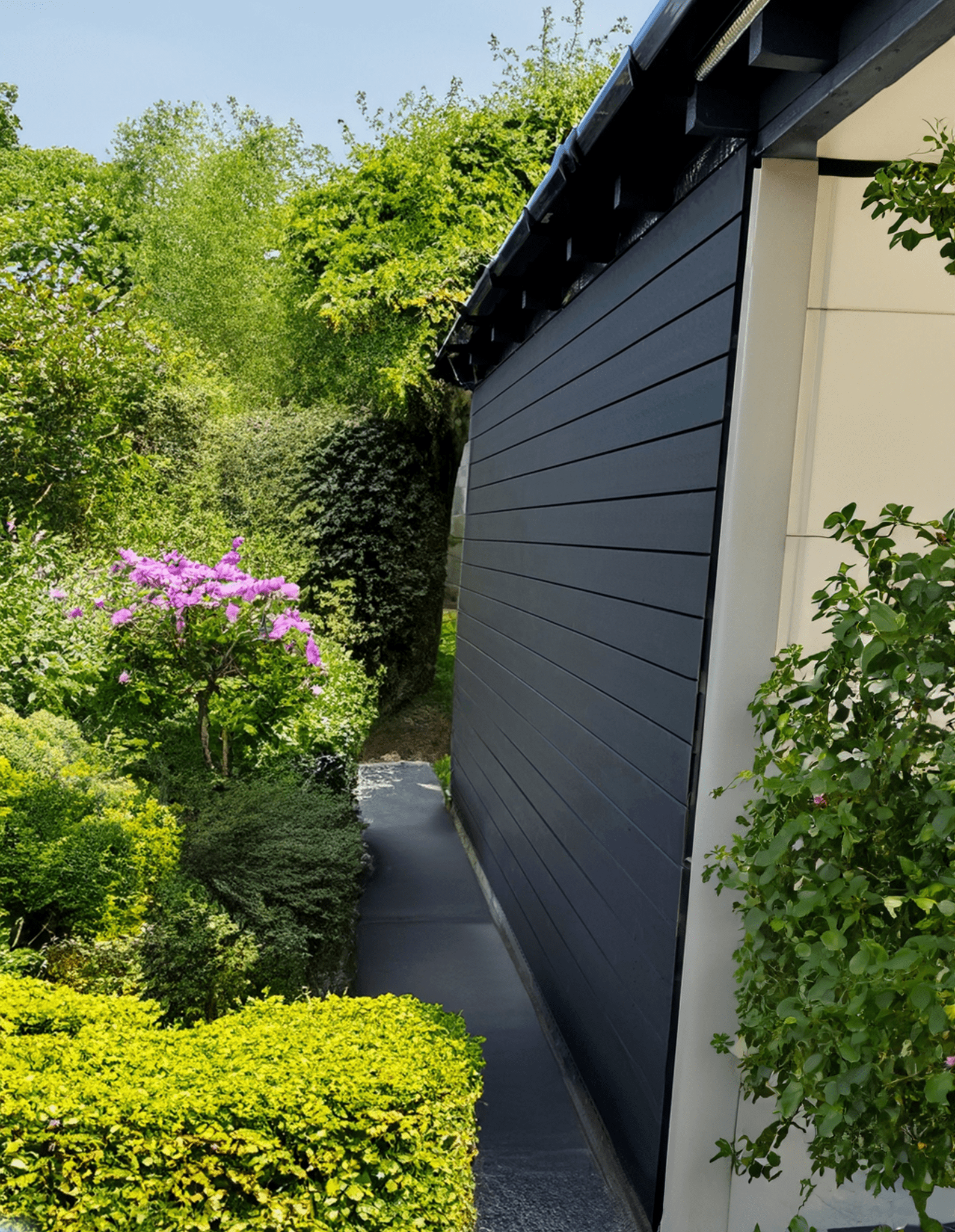
Composite cladding is easy to cut if you use the right blade and the right approach. It’s harder than timber, softer than masonry, and very unforgiving of blunt tools or rushed cuts.
This guide explains exactly what to use, how to cut it, and what mistakes to avoid, whether you’re fitting one wall or a full façade.
First: what composite cladding actually is (and why that matters)
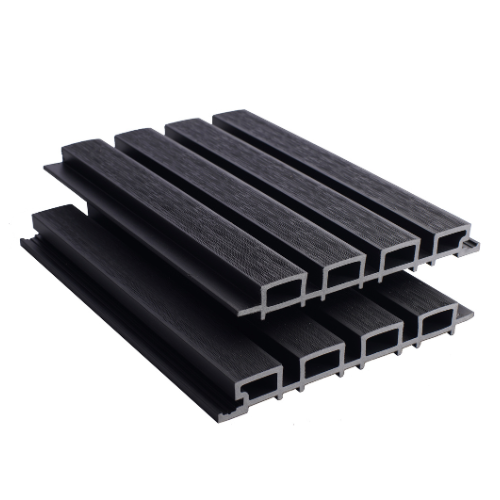
Most composite cladding boards are made from a mix of:
-
wood fibres
-
recycled plastics
-
binding resins
That combination is what gives composite its durability — but it also means it behaves differently when cut.
Compared to timber:
-
it’s denser
-
it produces finer dust
-
it doesn’t “tear” as much, but it can melt or burn if overheated
Compared to plastic:
-
it’s stiffer
-
it dulls blades faster
-
it needs cleaner, more deliberate cuts
So the cutting method matters more than people expect.
The best tools for cutting composite cladding
Circular saw (best all-round option)
This is the most reliable tool for straight cuts.
Use:
-
a fine-tooth carbide-tipped blade
-
ideally 40–60 teeth
-
a blade rated for composite, laminate, or aluminium
Why it works:
-
clean, straight cuts
-
minimal chipping
-
consistent results across long boards
Avoid cheap wood blades — they often burn composite and leave rough edges.
Mitre saw (ideal for end cuts and angles)
Perfect for:
-
45° corners
-
neat end cuts
-
repetitive lengths
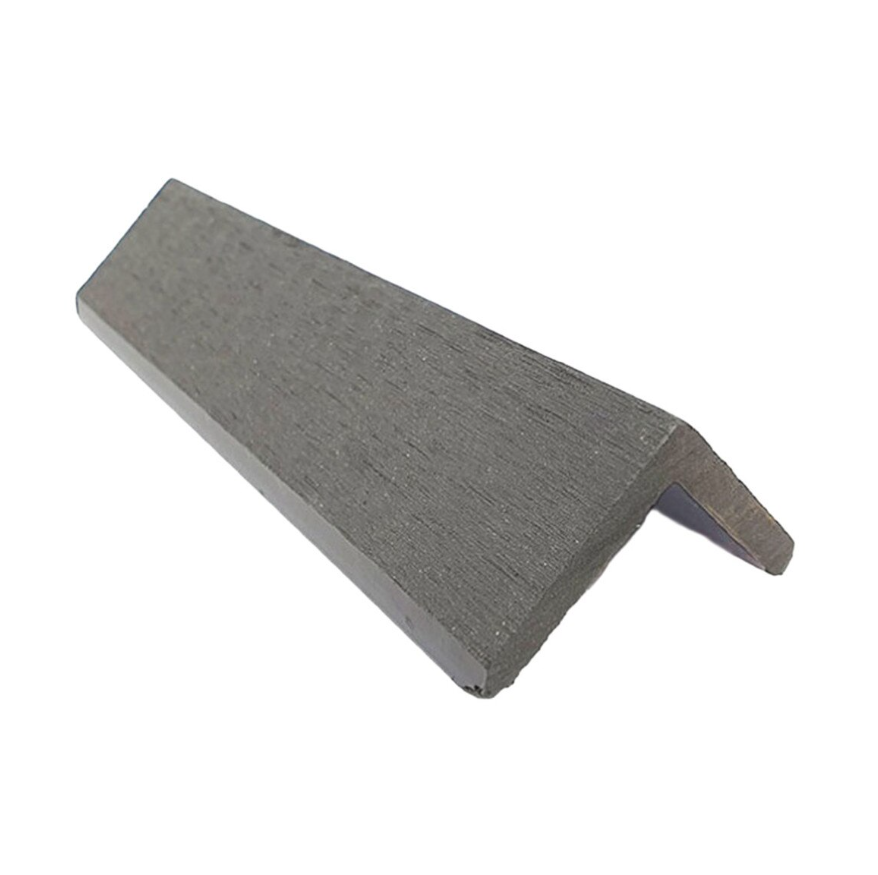
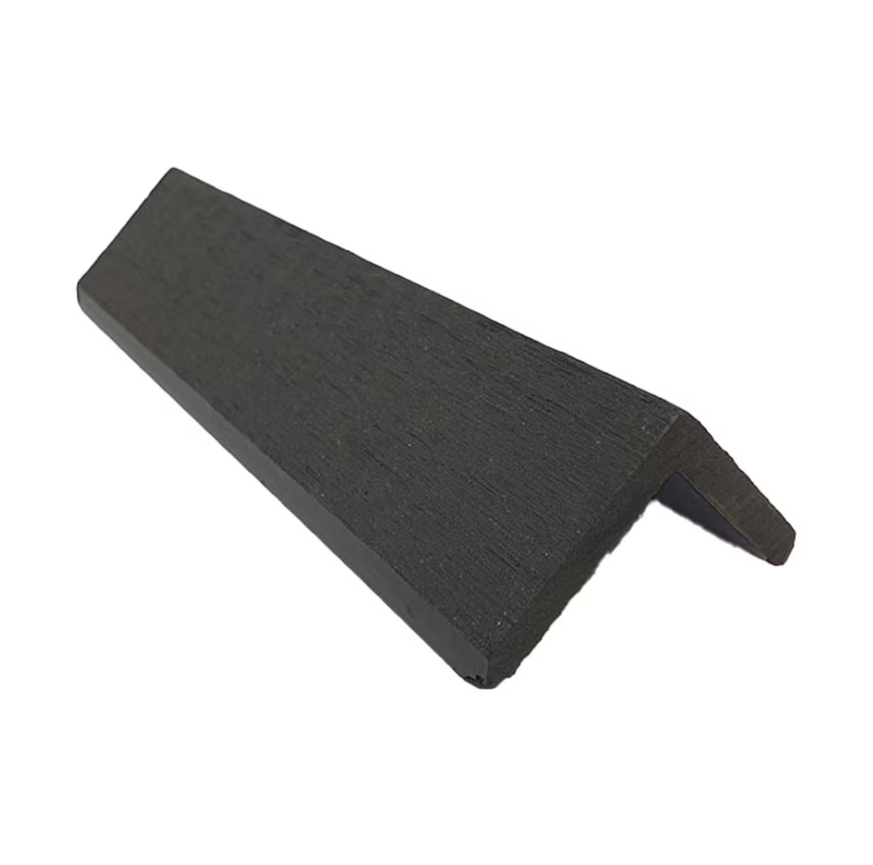
Again, blade choice matters more than the saw itself. Fine teeth, carbide tip, slow steady feed. This also works well for the composite corner trims.
Jigsaw (only for small or awkward cuts)
Useful for:
-
cut-outs around sockets, vents, or posts
Use:
-
a fine-tooth metal or laminate blade
-
slow speed
Don’t expect factory-perfect edges — this is for functional cuts, not visible finishes.
Hand saw (only if you must)
Possible, but not ideal.
Expect:
-
slower progress
-
rougher edges
-
more effort
If you do use a hand saw, choose one with fine, closely spaced teeth and take your time. Composite cladding is dense, and forcing the saw through it is what causes rough edges, tearing and wandering cuts. Let the saw do the work instead - we suggest using steady, even strokes and always keep the blade straight, especially at the start of the cut where most damage happens.
It also helps to clamp the board securely so it can’t move or vibrate, as movement is what usually leads to chipped edges. You won’t get the same clean finish as a power saw, but with patience and the right blade, you can still achieve a cut that’s neat enough for hidden or trimmed edges.

How to cut composite cladding properly (step by step)
1. Measure twice — composite is not forgiving
You can’t sand composite back easily like timber cladding.
If it’s short, it’s scrap.
Always:
-
measure from the fixed end
-
mark clearly with a pencil or fine marker
-
check orientation (many boards are directional)
2. Support the board fully
Composite boards are heavy.
If they’re unsupported:
-
they vibrate
-
the cut wanders
-
edges chip
Use trestles or a solid bench and keep the board flat.
3. Cut slowly and steadily
Rushing causes:
-
melted edges
-
burning
-
rough finishes
A slow, controlled feed lets the blade cut cleanly instead of tearing or overheating the material. Composite doesn’t like being rushed — pushing the board too quickly through the blade creates friction, which is what leads to melted edges, rough finishes and discoloration.
If you notice a strong smell of hot plastic, that’s a clear warning sign. Either the blade is moving too fast for the material, the feed rate is too aggressive, or the blade itself isn’t suitable or sharp enough. Ease off, let the blade bite gradually, and you’ll get a far cleaner edge with much less effort and far less chance of ruining the board.
4. Let the blade stop before lifting
Lifting the saw too early can:
-
snag the edge
-
chip the corner
-
leave a visible mark
Wait for the blade to stop completely.
How to avoid chipping and rough edges
-
Always use a sharp blade
-
Cut with the finished face up on circular and mitre saws
-
Avoid forcing the board through the blade
-
Clean dust off the board before cutting (dust can drag)
If the edge will be visible, accuracy matters.
Dust, safety, and common sense
Composite dust is fine and static-heavy.
You should:
-
wear a dust mask
-
use eye protection
-
cut outside or in a well-ventilated space
It’s not dangerous in small amounts, but it’s unpleasant — and it sticks to everything.
Can composite cladding be cut on site?
Yes — and it usually is.
Just make sure:
-
boards are stored flat
-
they’re dry before cutting
-
you’re cutting at ambient temperature
Cold boards are slightly more brittle. Very hot boards can soften.
Room temperature is ideal.
Common mistakes that ruin boards
These are the big ones:
-
❌ Using a rough wood blade
-
❌ Cutting too fast
-
❌ Poor support under the board
-
❌ Measuring from the wrong end
-
❌ Assuming you can “trim it later”
Composite rewards accuracy and patience.
Do cut edges need sealing?
Usually no.
Composite boards are solid throughout, not capped timber. Cut edges don’t rot.
That said:
-
keep cuts clean
-
hide cut ends where possible
-
use trims for exposed edges
This is about appearance, not durability.
Bottom line
Composite cladding is easy to cut when treated like a precision material, not rough timber.
Use the right blade, cut slowly, support the board properly, and measure carefully. Do that, and you’ll get clean, professional-looking results without wasting boards.
Rush it - and composite will punish you quietly, one ruined length at a time.