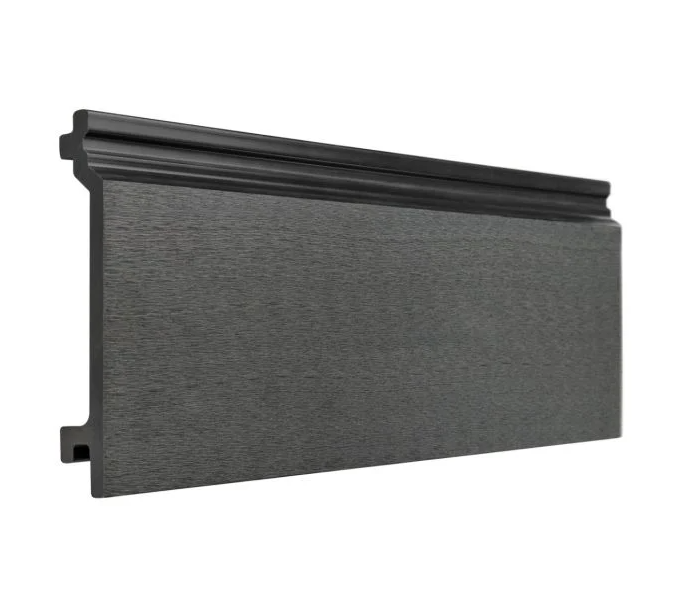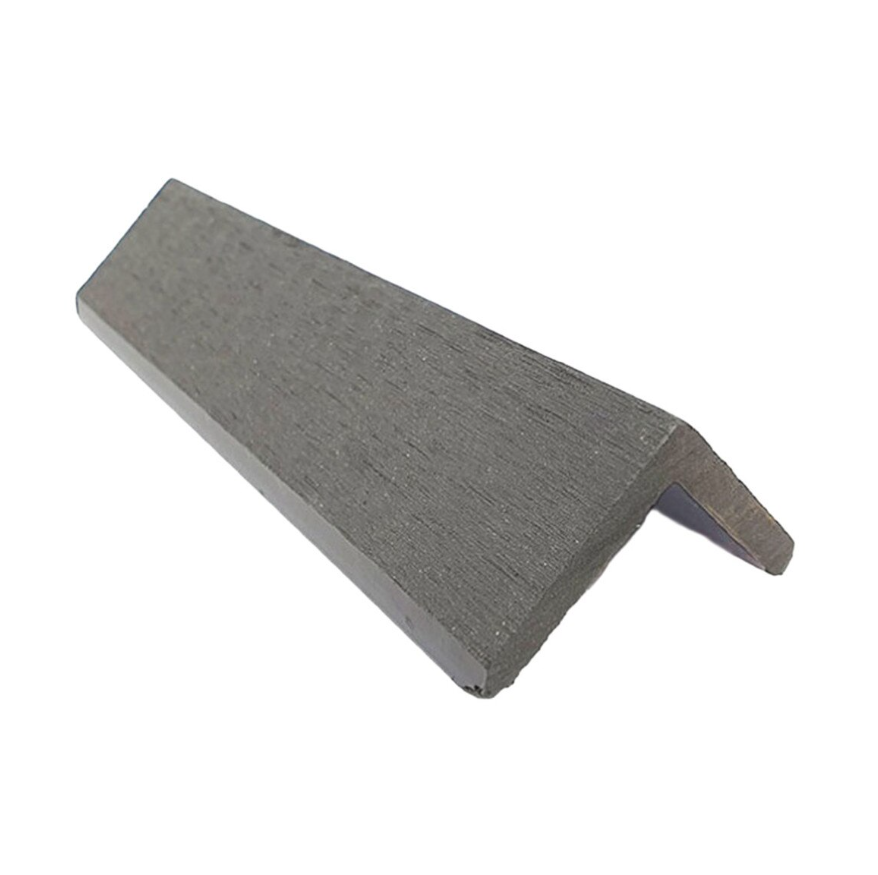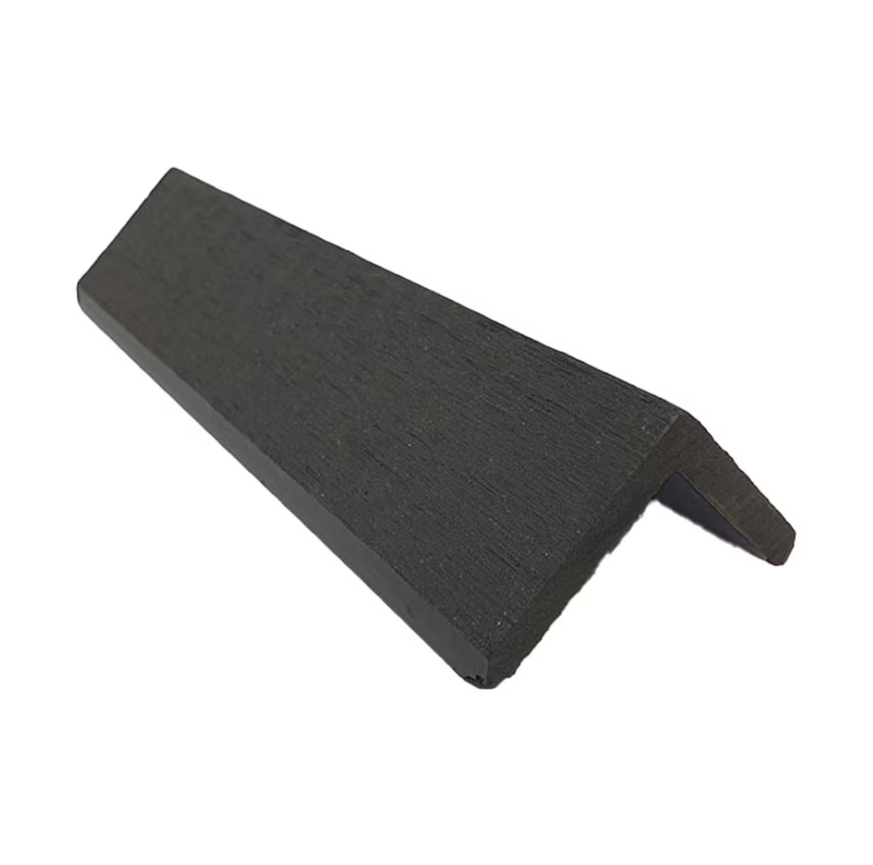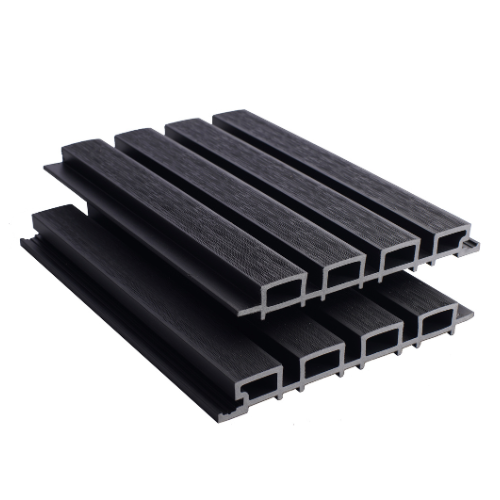

If you’re researching composite cladding properly, you’ll quickly realise something: there are lots of brands, but very few places that actually help you understand the differences — and even fewer suppliers who genuinely know the products they sell.
This guide looks at the major composite cladding brands available in the UK, including Neotimber, Cladco, and others — and explains where Trade Warehouse fits into that picture, and why so many people end up buying from us even after comparing everyone else.
This isn’t about claiming everything we sell is “the best”. It’s about being honest about what matters in the real world: performance, support, stock reliability, and not being left guessing halfway through a project.
First: the problem with most composite cladding comparisons
Most comparison articles:
-
repeat manufacturer marketing
-
focus on surface-level specs
-
avoid pointing out limitations
-
and never talk about supply, support, or aftersales
But when you’re actually fitting cladding — or paying someone else to do it — the questions that matter are more practical:
-
Can I get matching trims when I need them?
-
What happens if I need more boards mid-job?
-
Will this system behave predictably on a real wall?
-
Is anyone available if something doesn’t look right?
That’s where suppliers differ far more than brands.
A quick look at the major composite cladding brands
Let’s talk honestly about the names people usually compare.
Neotimber
Neotimber is one of the better-known composite brands in the UK, and for good reason.
Their cladding products are well finished, colour consistency is generally good, and they’ve invested heavily in branding and presentation.
Strengths
-
Clean, modern aesthetic
-
Consistent profiles
-
Good documentation
Limitations
-
More limited system flexibility
-
May be less forgiving on uneven substrates
-
Availability can be patchy depending on colour/profile
Neotimber suits projects where everything is planned tightly from the outset, with quantities, trims and layouts locked in before the first board goes up. When the install goes exactly to plan, the system can look very clean and well finished. Where it can be less forgiving is on real-world jobs that evolve as they go.
If you need to change direction, order additional materials mid-install, or work around an uneven wall or unexpected detail, there’s less flexibility built into the system. Support during installation tends to be more general rather than hands-on, which means installers are often left to solve issues themselves. For projects that are straightforward and carefully pre-planned, that’s rarely a problem. For anything more complex, it can start to feel limiting.
Cladco
Cladco is often compared on price, and they serve a broad market.
Strengths
-
Competitive pricing
-
Wide product range
-
Easy entry point for DIY projects
Limitations
-
May be variation between product generations
-
Systems can feel less refined
-
Technical guidance often much more generalised
Cladco works well for straightforward installs where simplicity and price are the main drivers.
Other composite brands (the reality)
There are plenty of other names in the market - and often rebrands of similar core products. Some are perfectly fine.
Others look good online but fall short once installed!
The key issue isn’t always the board itself. It’s whether:
-
the system is complete
-
trims actually match
-
guidance reflects real installations
-
and stock is reliable over time
That’s where many suppliers struggle.

Did you know we also supply composite decking?
So where does Trade Warehouse fit into this?
Here’s the honest positioning.
Trade Warehouse isn’t just a box-shifter of composite boards.
We focus on complete, proven systems, backed by people who actually understand how composite cladding behaves once it’s on a wall.
That sounds like marketing — but the difference shows up very quickly once a project starts.
What Makes Trade Warehouse The Best Composite Cladding Supplier in The UK
1. System thinking, not just boards
A lot of problems with composite cladding don’t come from the boards — they come from:
-
poor trims
-
incompatible fixings
-
unclear expansion guidance
-
incomplete systems
Trade Warehouse curates composite cladding ranges that:
-
work as full systems
-
have matching trims available
-
behave predictably when installed properly
That alone avoids a huge amount of frustration.
2. Real-world guidance, not generic instructions
If you’ve read our cladding guides, you’ll notice something:
they’re written for people actually doing the job.
We don’t pretend composite behaves like timber.
We don’t gloss over expansion, fixing spacing, or substrate issues.
That’s deliberate — because misunderstanding composite is the number one cause of unhappy installs.
3. Stock reliability (this matters more than people admit)
One of the most common problems with composite projects is running short mid-install.
Trade Warehouse prioritises:
-
consistent stock lines
-
repeat availability
-
and continuity between batches
That reduces the risk of:
-
colour mismatch
-
discontinued trims
-
or stalled projects
It’s not glamorous — but it’s critical.
4. Support when things aren’t textbook
No wall is perfect.
No project goes exactly to plan.
What sets a supplier apart is what happens after you’ve ordered.
Trade Warehouse customers don’t just get:
-
order confirmation emails
They get:
-
clarification on fixing methods
-
help choosing trims
-
guidance when conditions aren’t ideal
That support is why many people come back — even after trying other suppliers first. It’s usually not because something went badly wrong the first time, but because they realised how much smoother a project runs when there’s someone on hand who actually understands the product. Being able to ask a question mid-install, sense-check a fixing detail, or get reassurance when something doesn’t look quite right takes a lot of pressure off. Instead of second-guessing decisions or trawling forums for answers, customers get clear, practical guidance that helps them keep moving.
Once you’ve experienced that kind of support, it’s hard to go back to ordering materials where you’re essentially left to figure everything out on your own.
Is Trade Warehouse the cheapest?
No — and that’s intentional.
We’re not trying to win every job on headline price alone, because composite cladding isn’t a commodity. A slightly cheaper board quickly becomes expensive if:
-
it moves unpredictably
-
trims don’t line up
-
or you’re left guessing how to fix it
For customers who value:
-
finish
-
confidence
-
and not having to redo work
Trade Warehouse represents better overall value, not just a lower ticket price.
Who Trade Warehouse is best for
Trade Warehouse is particularly well suited if you:
-
want a clean, professional finish
-
value proper guidance
-
need reliable stock
-
are installing on brick, block, or uneven substrates
-
want a system that behaves as expected
Whether you’re a capable DIYer or a professional installer, the focus is the same: get it right once.
Final thoughts (the honest conclusion)
There are plenty of composite cladding brands in the UK, and many of them are perfectly serviceable.
The real difference isn’t just the brand name on the board — it’s:
-
how complete the system is
-
how well it’s supported
-
and whether someone has your back when questions come up
That’s where Trade Warehouse has quietly built its reputation.
Not by shouting the loudest.
But by helping people avoid mistakes, finish projects properly, and come away happy with the result.
If you want composite cladding that looks good on day one and still behaves properly years down the line, choosing the right supplier matters just as much as choosing the right board.